Toggle navigation
My ABA
Events
CLE Marketplace
Shop ABA
Member Directory
Join
Log In
News
Latest News
Topics
Features
Latest Issue
Podcasts
Asked and Answered
Legal Rebels
Modern Law Library
Columnists
Advocacy
Bryan Garner on Words
Intersection
On Well-Being
Mind Your Business
My Path to Law
Storytelling
Supreme Court Report
Your Voice
Adam Banner
Ari Kaplan
Erwin Chemerinsky
Marcel Strigberger
Nicole Black
Susan Smith Blakely
Members Who Inspire
Submit
Home
Daily News
Latest News
Latest News
U.S. Supreme Court
Pro Bono Counsel Loses Supreme Court Case, But Gets Ginsburg Shout-Out
Jun 23, 2008 3:54 PM CDT
Most Read
Chemerinsky: Will SCOTUS consider it cruel and unusual punishment to prosecute homeless people for sleeping in public?
2 lawyers and client die in law office shooting; 1 attorney was alleged gunman
Shake-up in US News' 2024 law school rankings
'Sense of entitlement' led BigLaw partner to 'brazenly' appear at deposition and act 'obnoxious,' sanctions bid says
Judge allows BigLaw partner's suit alleging lawyer filed 'highly inflammatory' affidavit for use in negative news article
Latest featured news ...
Topics: Career & Practice
Major legal AI tool set is expanding its capabilities
Complete list of topics ...
Choose a topic to explore ...
Career & Practice
Constitutional Law
Contracts
Corporate Law
Criminal Justice
Education Law
Ethics
latest
Entertainment & Sports Law
Family Law
Federal Government
Bryan Garner on Words
Harper Lee Prize for Legal Fiction
Health Law
Law Schools
Litigation
Media & Communications Law
Medical Malpractice
Practice Management
Practice Technology
Public Interest
Real Estate & Property Law
Question of the Week
Supreme Court
Technology
Tort Law
White Collar Crime
Your Voice
Tikkun Olam: When public service is a sacred obligation
Articles and commentary ...
Podcasts
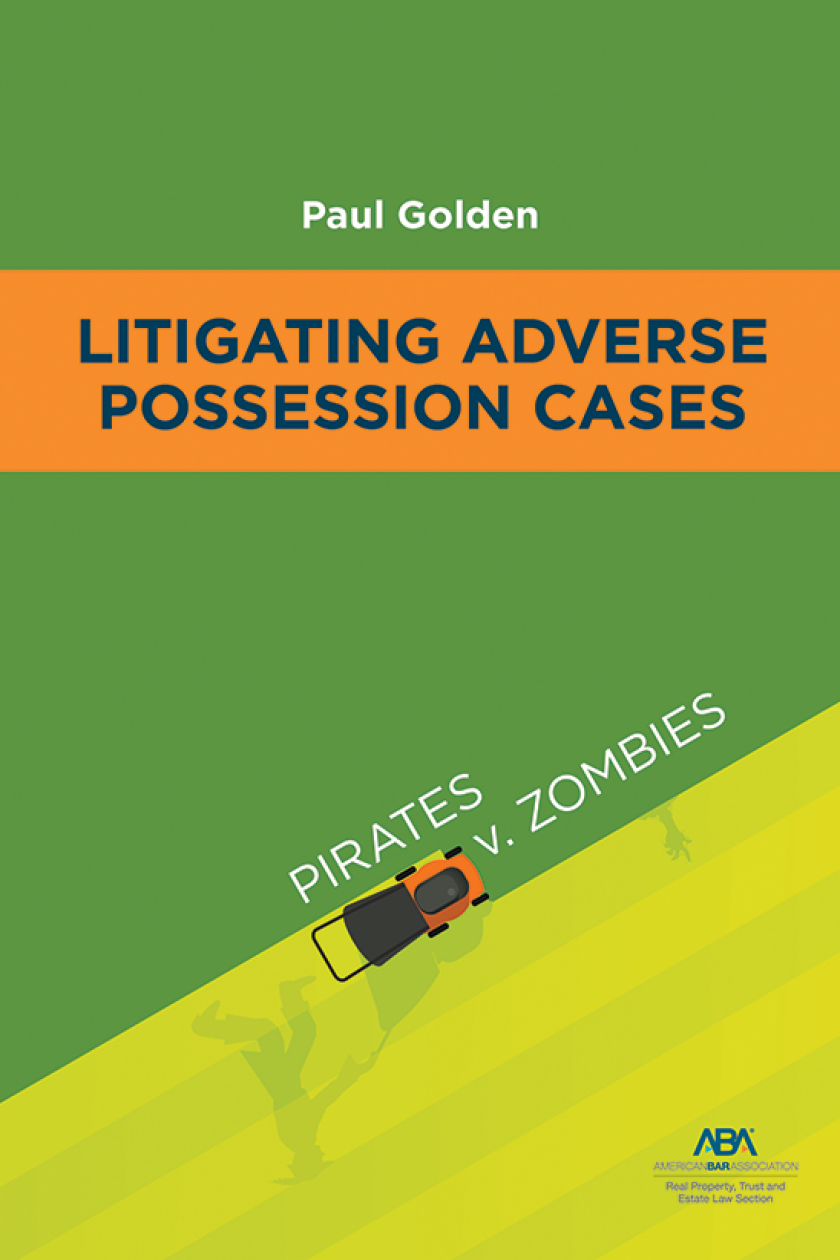
Users Keepers: Pirates, zombies and adverse possession
More podcasts ...
Copyright 2024 American Bar Association. All rights reserved.