

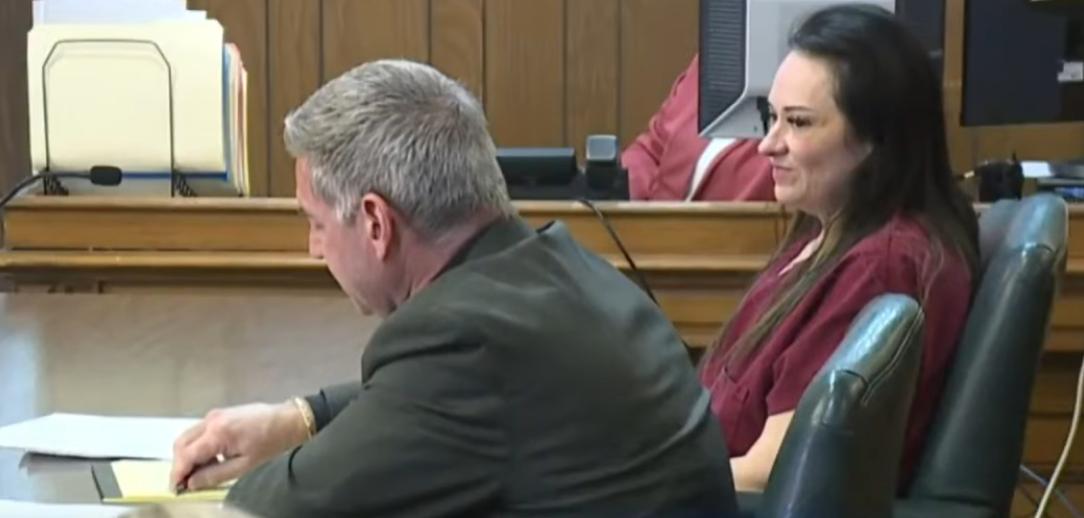
In January, a gunman appeared at the Indiana home of Tippecanoe County Superior Court Judge Steve Meyer and his wife, Kimberly, and fired through the front door, injuring them both. Less than a week later, five people were arrested in connection to the shooting; one of them, Thomas Moss, had been scheduled to appear in court before Meyer on an array of charges. Amanda Milsap has since been convicted of offering a bribe to a witness in Moss' case, WTHR reports.
Two months later, a Speak Up for Justice webinar titled “The Bench Breaks Its Silence: Sitting Judges Stand Up and Speak Out About Attacks on the Judiciary” featured a panel that included Chief Judge Dolly M. Gee of the U.S. District Court for the Central District of California, the first Chinese American woman to serve as an Article III judge. In her comments to the panel, she read this message that was sent to her:
“You’re dead, … . I’ll put a bullet in your head in the middle of your kitchen without you seeing it coming or expecting it. Casket coming soon. Don’t go home. You’ll never know when I’ll pop up. I’ll guarantee, I will kill you. Think I’m playing? Casket dreams, sweetheart.”
The threat resulted in an indictment against the person who sent it. Others on the panel shared similar types of correspondence. Across the country, state and federal judges say they face an increasing number of threats, physical violence, misinformation campaigns, swatting and even a recent phenomenon dubbed “pizza doxxing”—unsolicited pizza deliveries authorities say are “we-know-where-you-live” warnings.
According to the webinar panelists and others in the legal space, social media has had a bullhorn effect—it's helped to spread dissatisfaction about judicial rulings in a political landscape brimming with divisive issues such as immigration, reproductive rights and voting.

The U.S. Marshals Service is responsible for protecting the 2,600 members of the federal bench. Established in 1789 to help safeguard the judicial process, the agency reported 630 threats against federal judges in 2023; 509 in 2024; and 564 in 2025. In 2026, there have been 383 threats to judges as of July, according to the data.
Geoffrey Deas, an assistant director for the U.S. Marshals Service Judicial Security Division, says that traditionally, threats to judges came by way of phone calls, letters or intelligence gleaned through a person connected to the perpetrator.
“In recent years, that dynamic has changed, largely due to social media and more widespread attention to legal cases with a national profile. In many cases today, the threat comes from a person that does not have a personal relationship with our protected person. Doxxing and swatting are both relatively new phenomena that are unacceptable, and we pursue as them prosecutable offenses whenever we can,” he adds.
Threats and personal attacks come in a variety of ways, including emails, letters and phone calls, says Judge Leo M. Gordon, who is on the executive committee for Speak Up for Justice. The nonpartisan group, founded in 2025 by Los Angeles plaintiffs lawyer Paul Kiesel, sponsored the panel discussion featuring Gee and three other judges.
“The goal is to educate and incentivize; not take a political position,” says Gordon, who serves as a senior judge for the U.S. Court of International Trade in New York City. “The judiciary is a co-equal branch of the government that needs to be respected and protected so judges can do their job.”
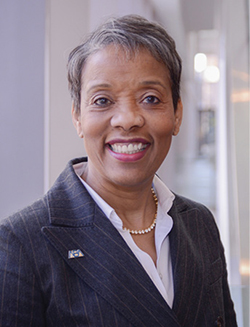
Behavior by officials in government is also problem, ABA President Michelle Behnke said in a statement issued Tuesday. Behnke said recent social media posts by “an administration official” criticizing judges by name are part of a growing pattern of “threats, intimidation and personal attacks” on the judiciary. The attacks undermine the public’s confidence in the courts, are a threat to judicial independence and erode the rule of law, she said.
“In our constitutional system, disagreement with a court's decision is both expected and protected. Judicial opinions should be analyzed, debated and, when appropriate, challenged through the appellate process,” she said. “But personal attacks, inflammatory rhetoric, baseless accusations and calls to remove judges because of their rulings cross a dangerous line.”
The threats and violence extend to judges’ families too. After Chief Judge James Boasberg of the U.S. District Court for the District of Columbia ruled in 2025 that government officials could face criminal contempt charges for deporting migrants and defying a court order, there was a swift, vitriolic reaction online from the those who disagreed with him.
Some posts demanded the judge’s daughter, Katharine Boasberg, who had worked with a legal services nonprofit organization assisting underserved communities that received government grants, be arrested.
Reuters published its findings of over 600 posts on social media and message boards in between February and May of 2025 that targeted the family members of judges that had issued rulings against President Donald Trump's administration.
In November, the bipartisan Countering Threats and Attacks on Our Judges Act passed the Senate by unanimous consent. The American Bar Association Grassroots Action Team and members of the legal profession from over 40 states urged the House of Representatives to also pass the bill as a priority issue during ABA Day 2026. The bill creates a State Judicial Threat Intelligence and Resource Center to better understand the frequency and severity of threats targeting state and local judges, according to Holly Cook, senior associate executive director of the ABA’s Governmental Affairs Office.
“Establishing a national database to share judicial threat information and lessons learned at the state and local level is an important step toward enabling our courts to better respond to or prevent other threats, thereby helping state judges to render decisions based on facts of the case and applicable law without fear of reprisal or physical harm to themselves, their families, and their staff,” Cook says.
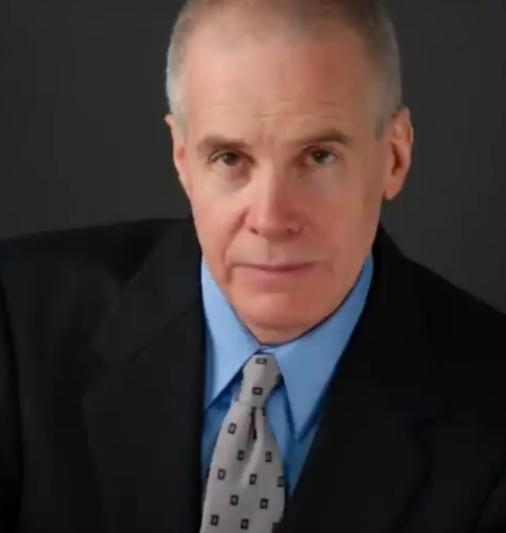
In December 2022, Congress passed the Daniel Anderl Judicial Security and Privacy Act, named after the son of Judge Esther Salas of the U.S. District Court for the District of New Jersey. In 2020, an assailant—believed to be a disgruntled litigant—masquerading as a deliveryman opened fire inside her home, killing her son, Daniel Anderl, 20, and injuring her husband.
Roy Den Hollander, an attorney and so-called mens' rights advocate, is believed to have shot and killed Anderl, the Associated Press reported. Hollander died by suicide, and authorities also believe he killed another attorney, Marc Angelucci, who like Den Hollander had brought federal lawsuits challenging federal policy that women are not required to register for selective service, according to the article.
The Daniel Anderl Judicial Security and Privacy Act protects federal judges' personal identifiable information and allows them to redact their information from federal government websites. Last year, some judges across the country experienced pizza doxxing—unsolicited pizza deliveries brought to their home and addressed to Judge Salas’ deceased son.
Dan Wallis has been a trial court administrator for about 24 years and currently works in the 22nd Judicial Circuit in Woodstock, Illinois. He’s aware that there are some unhappy litigants who make disparaging remarks either when exiting the courtroom or via online posts. The hint of a threat directed at a judge will be reported to the Illinois Supreme Court Marshal's office, which does an assessment of an individual’s propensity for violence, he says.
“We have gotten to a point in society where things can develop so fast,” says Wallis. “The 24-hour news cycle; then follow that with rhetoric that seems to follow what is in media, fueled by social media. … My assumption is that we are using tools inappropriately. Unfortunately, these individuals are using these platforms to have their voices heard, where in the past, that voice would have not necessarily been heard.”
Updated July 29 at 10:14 a.m. to add the statement from ABA President Michelle A. Behnke.
Updated Aug. 21 at 10:45 a.m. to add additional information about Thomas Moss, Amanda Milsap and Roy Den Hollander.








