Toggle navigation
My ABA
Events
CLE Marketplace
Shop ABA
Member Directory
Join
Log In
News
Latest News
Topics
Features
Latest Issue
Podcasts
Asked and Answered
Legal Rebels
Modern Law Library
Columnists
Advocacy
Bryan Garner on Words
Intersection
On Well-Being
Mind Your Business
My Path to Law
Storytelling
Supreme Court Report
Your Voice
Adam Banner
Ari Kaplan
Erwin Chemerinsky
Marcel Strigberger
Nicole Black
Susan Smith Blakely
Members Who Inspire
Submit
Home
Daily News
Latest News
Latest News
International Law
Mexican Drug War Infiltrates All of US
Nov 17, 2008 5:08 PM CST
Most Read
BigLaw firm introduces coaching and support for lawyers who have ADHD
University is 'incubator of bigotry,' say 13 federal judges boycotting its grads
Bosses mandated them back to the office. They took legal action instead
BigLaw partner alleges federal judge once assaulted and taunted him, requiring his recusal
Solicitors general, past and present, reflect on ups and downs of job and arguing before SCOTUS
Latest featured news ...
Topics: Career & Practice
Top artificial intelligence insurance tips for lawyers
Complete list of topics ...
Choose a topic to explore ...
Career & Practice
Constitutional Law
Contracts
Corporate Law
Criminal Justice
Education Law
Ethics
latest
Entertainment & Sports Law
Family Law
Federal Government
Bryan Garner on Words
Harper Lee Prize for Legal Fiction
Health Law
Law Schools
Litigation
Media & Communications Law
Medical Malpractice
Practice Management
Practice Technology
Public Interest
Real Estate & Property Law
Question of the Week
Supreme Court
Technology
Tort Law
White Collar Crime
Your Voice
A letter to young women lawyers about 'SADNESS' in the law
Articles and commentary ...
Podcasts
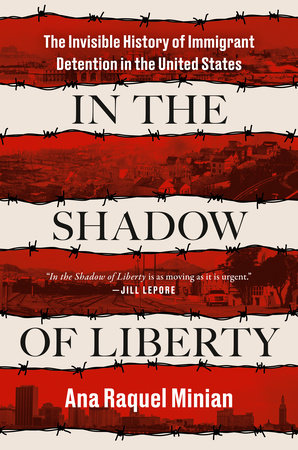
'In the Shadow of Liberty' shines light on American immigration history
More podcasts ...
Copyright 2024 American Bar Association. All rights reserved.