

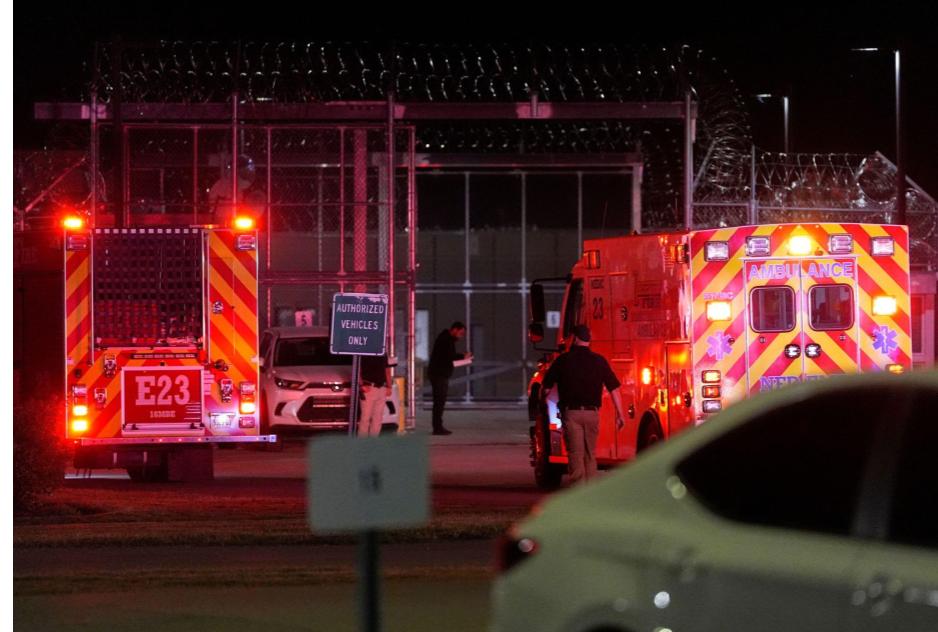
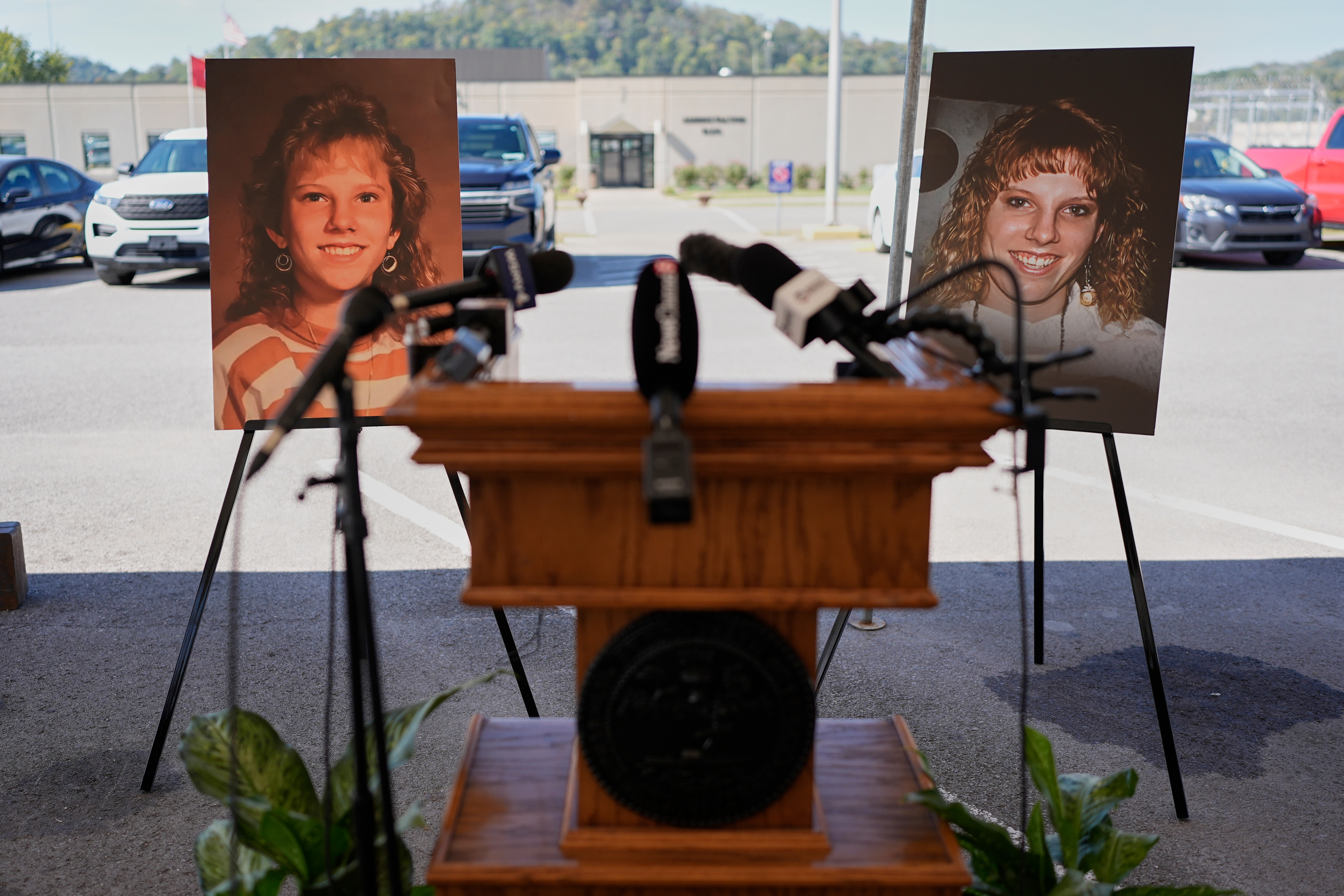
Lawyers on both sides of the death penalty debate agree Tennessee did not handle the attempted execution of Christa Pike well. But it remains to be seen if her experience will move the courts to prevent another execution attempt for the defendant, who was convicted in 1996 of killing Colleen Slemmer, a fellow Job Corps classmate.
Witnesses to the botched execution on Sept. 30 said their window view to Pike was repeatedly blocked by curtains. A dose of pentobarbital, which was expected to be lethal, was given at 7:26 p.m.
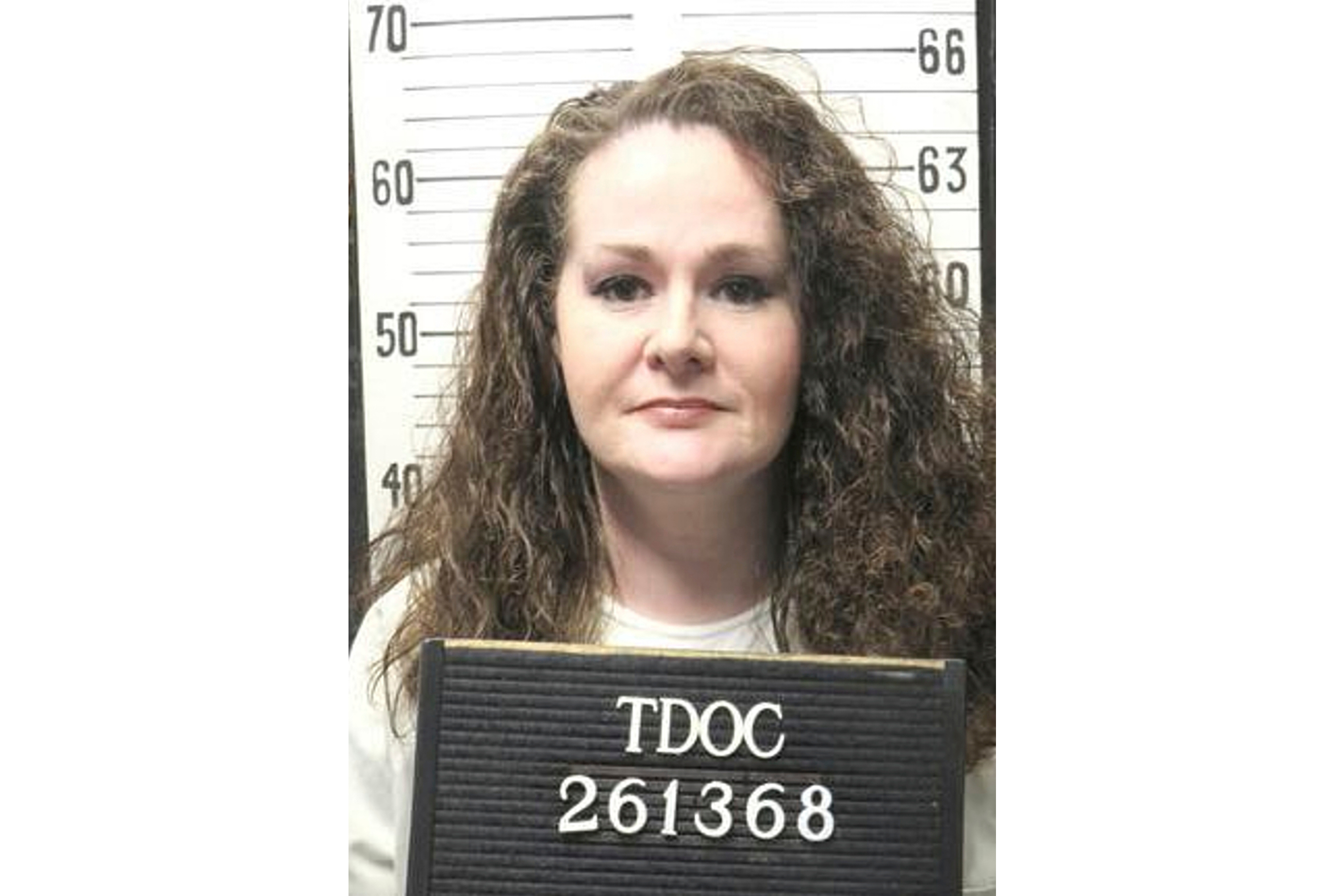
Pike continued to breathe and was taken to the hospital after 9 p.m. at the urging of Randy Spivey, one of her lawyers, according to the Associated Press. In a statement released in October, Pike said she remains in pain after the execution attempt.
Under the U.S. Supreme Court’s 1976 Estelle v. Gamble ruling, deliberate indifference to a prisoner’s serious injury constitutes cruel and unusual punishment in violation of the Eighth Amendment. Alabama death row prisoner Doyle Hamm’s lawyers raised that case in his federal court challenge to lethal injection after the state botched an attempted execution of Hamm in 2018.
Hamm was undergoing treatment for both cancer and hepatitis C at the time of his botched execution, and for almost three hours the execution team unsuccessfully tried to inject his legs, ankles and groin before the death warrant expired at midnight, according to the New York Times. In a confidential agreement, the state agreed to what amounted to a life sentence for Hamm, and he died of lymphoma and cranial cancer in 2021, according to the article.

Austin Sarat recently wrote a book, scheduled to be published in May, called Life After Death: What Happens When Someone Survives an Execution? He also wrote Gruesome Spectacles: Botched Executions and America’s Death Penalty.
“Do I think Christa Pike’s [botched] execution is going to end lethal injection? No,” the Amherst College law and politics professor says flatly.
Sarat cites the case of Oklahoma death row prisoner Clayton Lockett as the most notable botched execution case of the 2010s. Lockett died of a heart attack after medical officials struggled to find a usable vein for the lethal injection. His death drew national and international headlines. But Oklahoma was executing people again using lethal injections eight months later, Sarat notes
“I believe what’ll happen in Tennessee is what happened in Oklahoma and what’s happened in Alabama and other states where they’ve had botched lethal injections, which is they investigate. They identify problems. They tweak the protocol,” Sarat says.
“If this doesn’t change society’s views about the death penalty then nothing will,” says Sandra Babcock, a member of Pike’s defense team. Babcock is also the faculty director of the Cornell Center on the Death Penalty Worldwide.
It’s been reported that after strapping Pike to a gurney, the state gave her two doses of the lethal injection drug while inserting at least seven different needles into her left arm and 10 in all over the course of an hour, trying to find an IV site. It was reportedly close to two hours from the start of the execution process until an ambulance arrived to take Pike to the hospital.
“The level of torture, the level of psychological agony and physical suffering is unparalleled in the history of the modern death penalty. This never, ever happens,” Babcock says of Pike’s experience. “I think she has the most powerful Eighth Amendment challenge to lethal injection of any prisoner currently on death row.”
Babcock has been working on death penalty cases since 1991 and called Pike’s case the most egregious she has seen “by far.”
Robert Blecker, a former criminal law professor at New York Law School who favors the death penalty in certain circumstances, views the Eighth Amendment claim as debatable. Blecker is the author of The Death of Punishment: Searching for Justice Among the Worst of the Worst.
“You could argue this does not qualify as torture because no official intended to inflict pain and suffering," he says.
"But there must have been negligence, or even recklessness,” he adds. “Obviously, somebody really screwed up.”
Tennessee botched another execution earlier this year involving Tony Carruthers. Officials failed to find a vein to administer the lethal drug. Carruthers suffered a stroke and partial paralysis. The governor gave Carruthers a one-year reprieve.
In 1946, death row inmate Willie Francis survived an initial execution attempt via the electric chair when it malfunctioned. Nonetheless, the Supreme Court ruled one year later in Francis v. Resweber that the state of Louisiana could try to execute Francis again, reasoning that the first failure was an “unforeseeable accident.”
That ruling would not seem to bode well, at first glance, for Pike. But Sarat and Babcock believe that Pike’s case is distinguishable.
“If I was Christa Pike’s lawyer, I would say the drugs reached her. The punishment had begun,” says Sarat, who describes what happened to her as a foreseeable accident. “To try to execute her again would violate double jeopardy.”
Babcock says she is focused on the Eighth Amendment’s ban on cruel and unusual punishment, which she calls “a slam dunk claim.” She agrees that if a court did get to double jeopardy with Pike, the fact that Tennessee put her through the entire protocol in administering the lethal drugs works in her favor.

But according to Blecker, if Tennessee sought again to execute Pike, “it would not strictly be legal double jeopardy because she obviously couldn’t be punished with death twice for the same crime.”
The Ohio Supreme Court reached a similar conclusion in 2016, ruling it was not cruel and unusual punishment to allow a second execution attempt of Romell Broom after a botched lethal injection. But in that case, unlike Pike’s, the first execution was called off without any lethal drugs entering Broom’s body, though a needle had been inserted multiple times.
Tennessee Gov. Bill Lee can commute Pike’s sentence if he chooses. But Lee is a lame duck and will be leaving office on Jan. 16, 2027.
Lee has paused all executions in the Volunteer State until the end of this year and ordered an independent, third-party review of Tennessee’s lethal injection protocol.
Babcock says she finds it hard to believe the state would try to set another execution date for Pike and that the governor would not commute her death sentence in light of what happened.
Sarat agrees that the best thing Lee could do for his successor would be to “clean up the mess.” But, Sarat adds, “that’s going to be hard for him to do, paradoxically, because of all the publicity the case has gotten. And it’s going to be hard for him to do because of the adamant position of the family of the victim.”
Lee said last week that he expects Pike’s sentence will “be the same as it was before” unless the courts determine otherwise.








