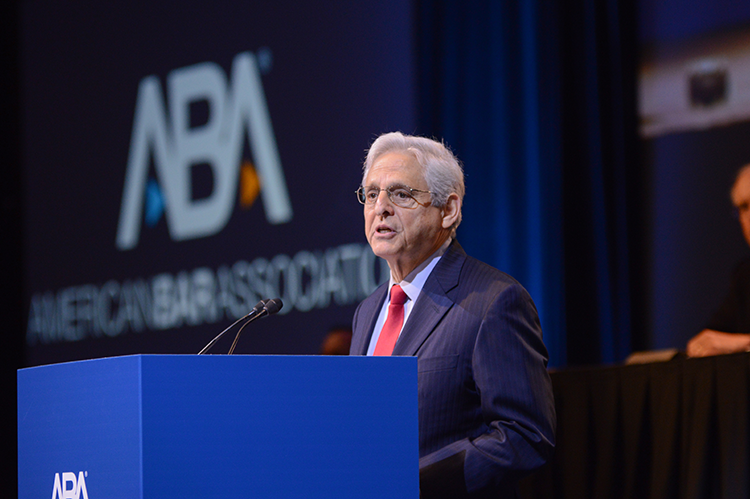
Attorney General Merrick Garland warned Monday of mounting violent threats against election workers across the country, and vowed that the Justice Department will be “relentless” in prosecuting those who threaten the democratic process.
With some states already moving toward alternative attorney licensing, the council of the ABA Section of Legal Education and Admissions to the Bar will consider a draft policy statement urging jurisdictions to consider a host of methods to licensure when it meets Friday.
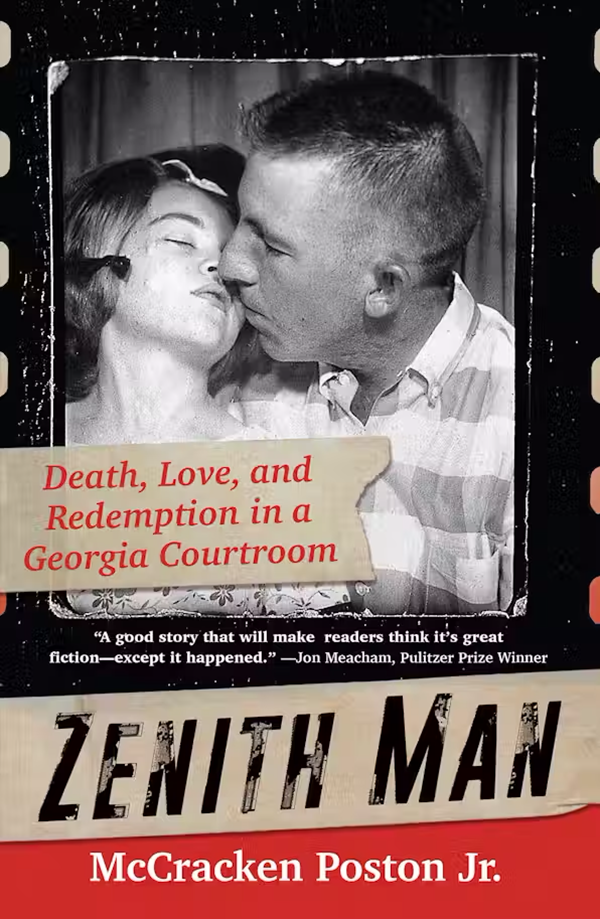
In 1997, in the small town of Ringgold in northwest Georgia, a reclusive man was accused of keeping his wife captive in his home and murdering her. A local politician-turned-defense attorney took on the case.
A federal judge on Friday temporarily blocked the U.S. government from trying to limit credit card late fees, siding with banks and other business lobbyists that had challenged the policy as unconstitutional.
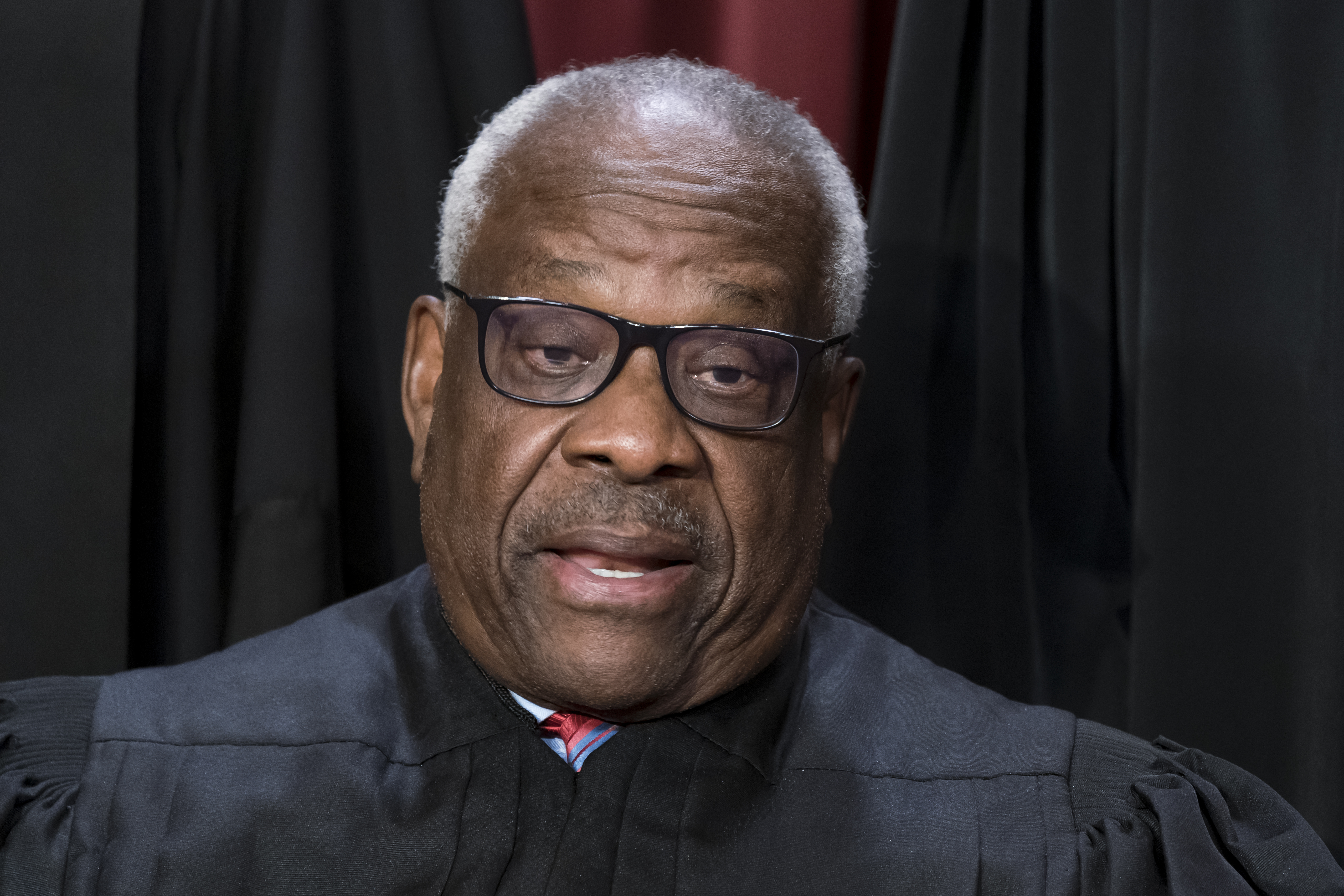
After facing harsh questions about his judicial decisions and accepting lavish gifts from a billionaire, Supreme Court Justice Clarence Thomas forcefully pushed back on his critics Friday—saying he and his wife, Virginia “Ginni” Thomas, have endured “nastiness” and “lies.”

A federal judge has allowed a disappointed pistachio ice cream consumer to proceed with her deceptive-practices case against the corporation that owns Cold Stone Creamery.
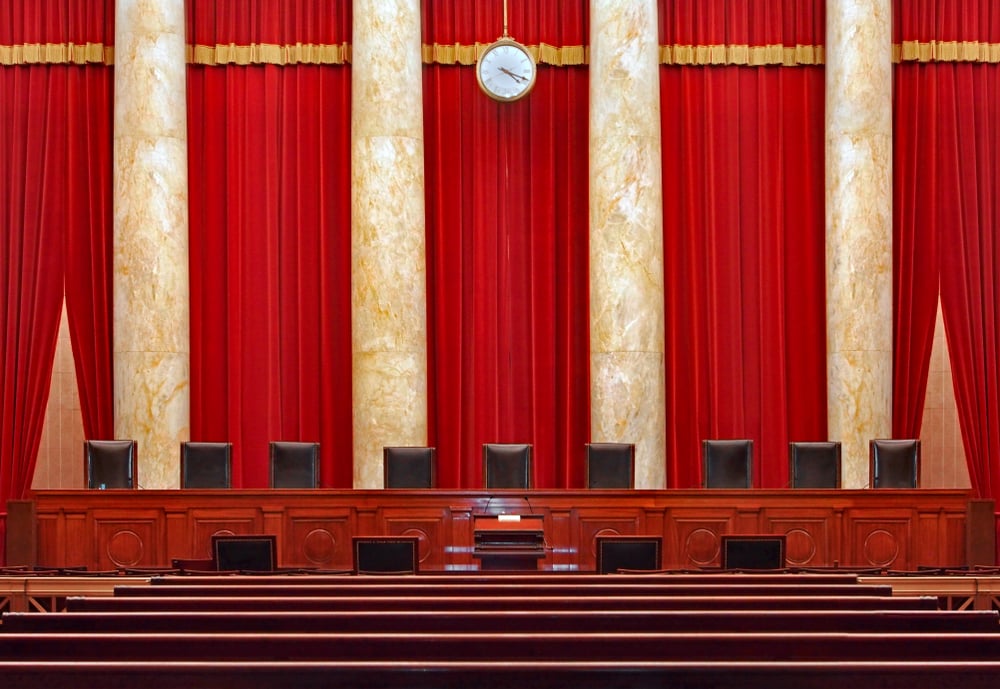
It isn’t often that a bipartisan group of U.S. solicitors general gather in public to discuss their unique role in the legal system and even gripe a little about the U.S. Supreme Court. But that’s what happened recently in a packed hotel ballroom before the ABA 2024 Litigation Section Annual Conference in Washington, D.C.
One of the most liberal appellate courts in the country has ruled that a Catholic high school could fire a teacher for marrying another man, a victory for conservative and religious advocacy groups that have pushed back against anti-discrimination law.

Lawyers must be careful in revealing information about clients on an email discussion list group, even when seeking help in the representation, according to a new ABA ethics opinion.

After more than two years of fighting against return-to-office mandates, workers are fed up with their bosses’ inflexible policies and are taking their battle to court.

Of the five states that lowered the minimum score required for passing the bar last year, four of them had increases in their February 2024 bar passage rates, according to the latest data compiled by the National Conference of Bar Examiners.
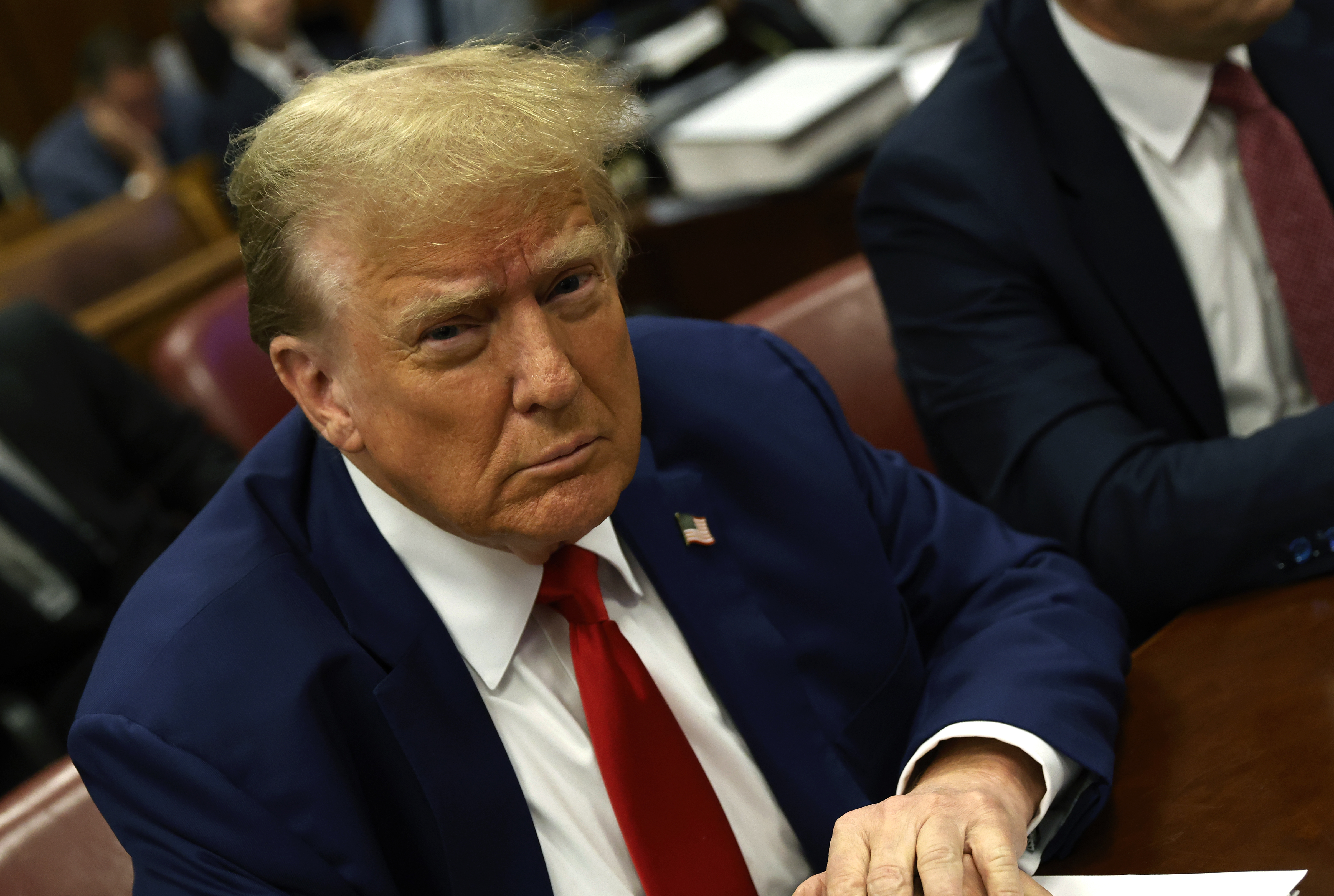
A judge ruled Monday that Donald Trump again violated his gag order in the New York hush money trial, and he warned the former president that he would consider jailing Trump if the violations continue.
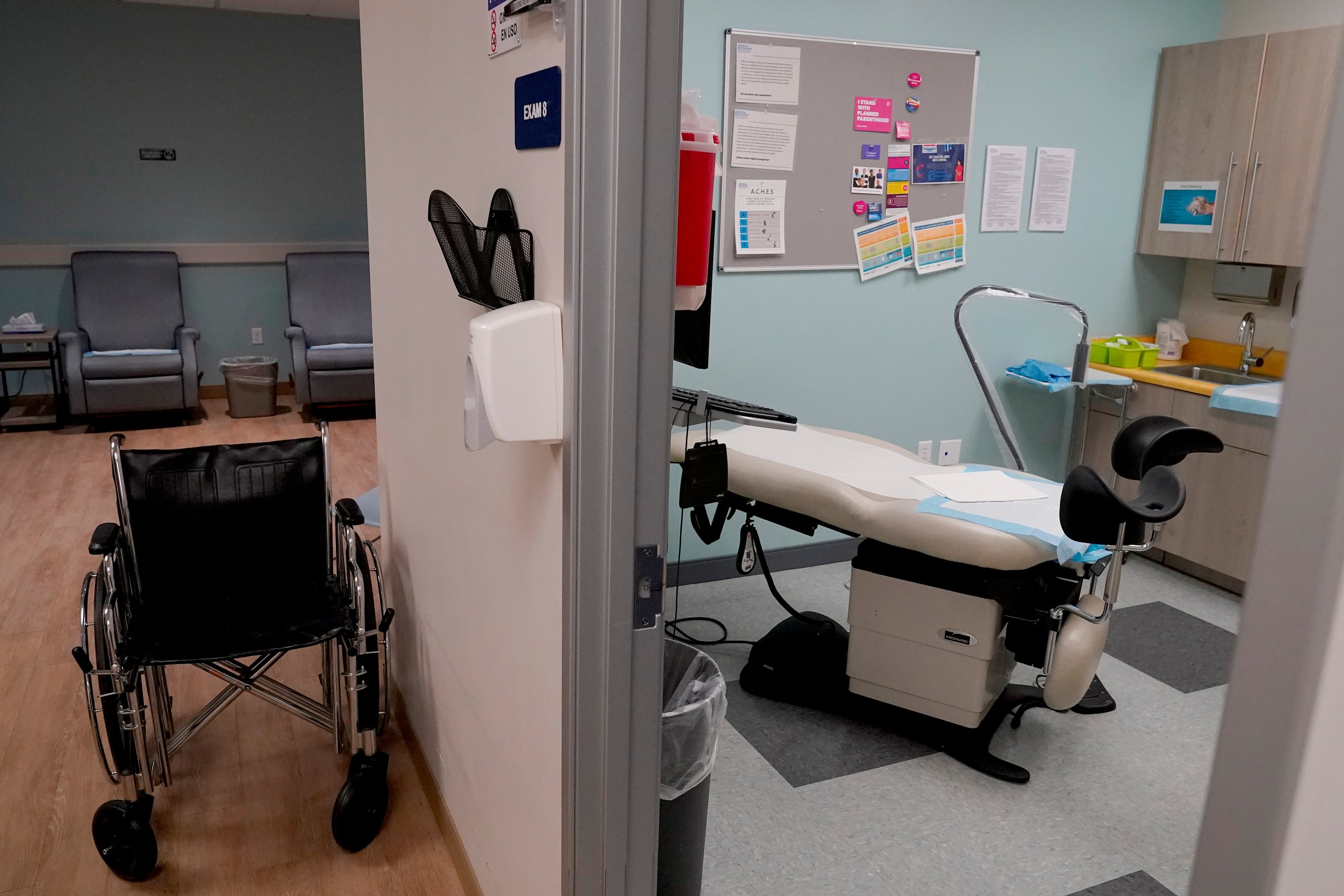
As soon as Collin Davis found out his ex-partner was planning to travel to Colorado to have an abortion in late February, the Texas man retained a high-powered antiabortion attorney—who court records show immediately issued a legal threat.

Updated: From lookalike photos to hallucination errors to copyright infringement, the rise of lawsuits against generative artificial intelligence tools reveals a growing frustration with our silicon assistants. Naturally, lawyers are here to help.
There are law firms in which Carrie Garber Siegrist, a senior associate in the Washington, D.C., office of Goodwin Procter, might have had to be secretive about her diagnosis of attention-deficit/hyperactivity disorder, also known as ADHD. But at Goodwin Procter, Garber Siegrist says, she feels embraced and supported.
The ABA Section of Legal Education and Admissions to the Bar has announced its 2024-2025 council slate.
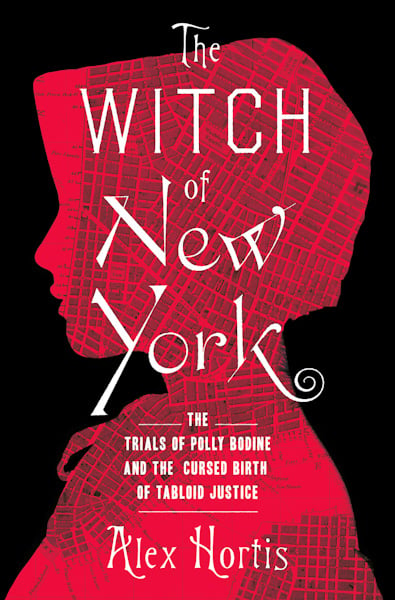
The case of Polly Bodine is the subject of Alex Hortis’ new book, The Witch of New York. But a whodunnit is only part of the story that Hortis, the associate university counsel at the University of Maryland Baltimore, sets out to tell. The book’s subtitle shares the rest: “The cursed birth of tabloid justice.”
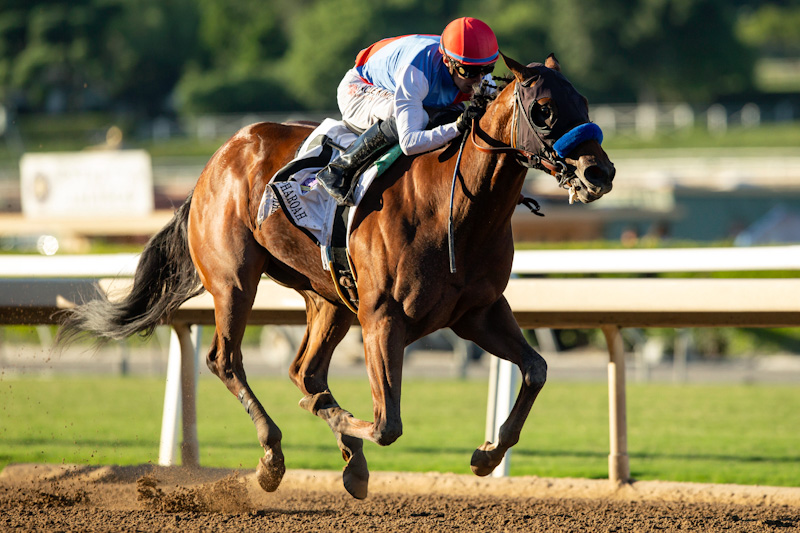
The Kentucky Derby has long been known as “the fastest two minutes in sports,” but the 150th Run for the Roses on Saturday will take place without Muth, a horse some say may have been the fastest in the field this year.
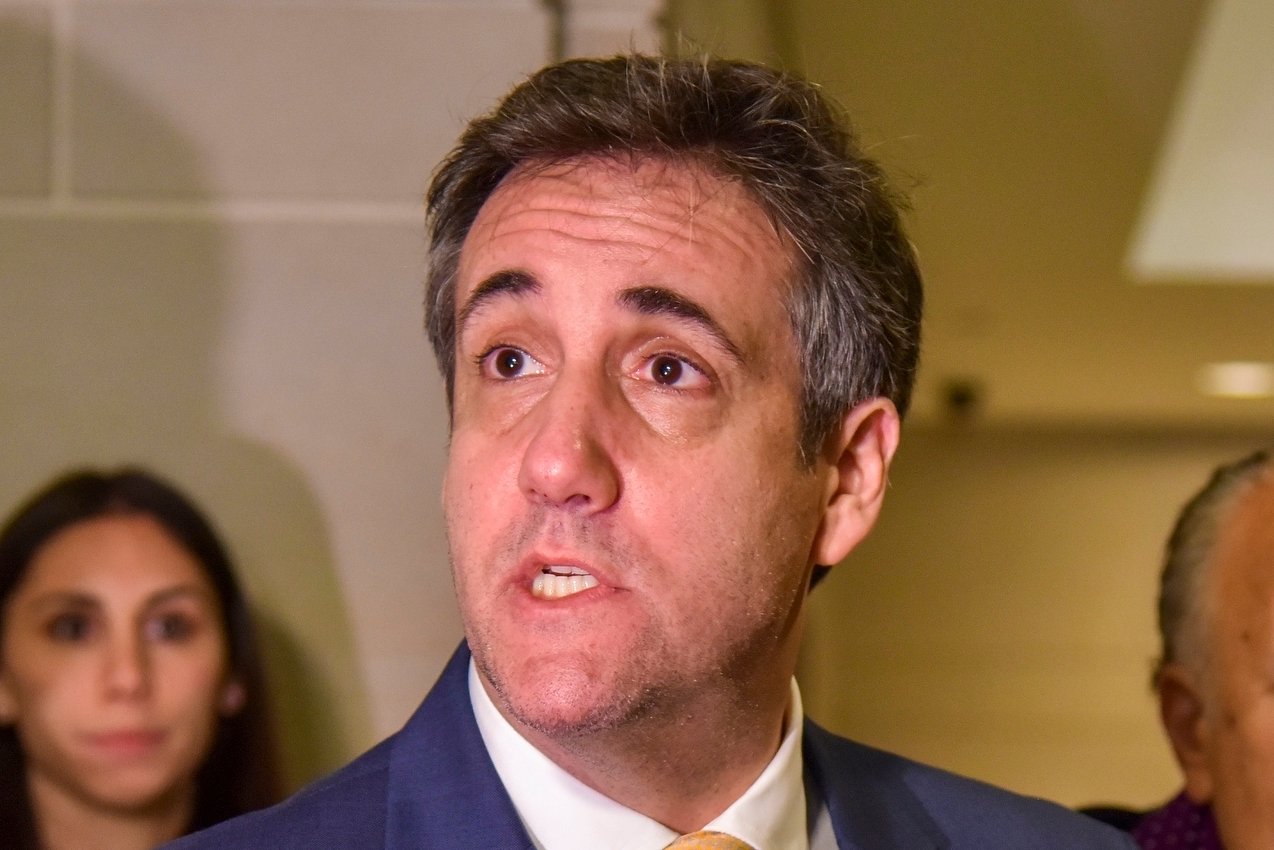
At times during former President Donald Trump’s hush money trial, the testimony has been just as devastating to Trump’s former attorney Michael Cohen, who will be a key prosecution witness later this month.

Attorney General Merrick Garland on Tuesday recommended loosening restrictions on marijuana, a historic shift in federal drug policy that could broaden access to the drug for medicinal use and boost cannabis industries in states where it is legal.

Almost half of law school associates say law school didn’t prepare them for practice, with a lack of training in practical experience cited most often as the reason why, according to a new study released Monday.
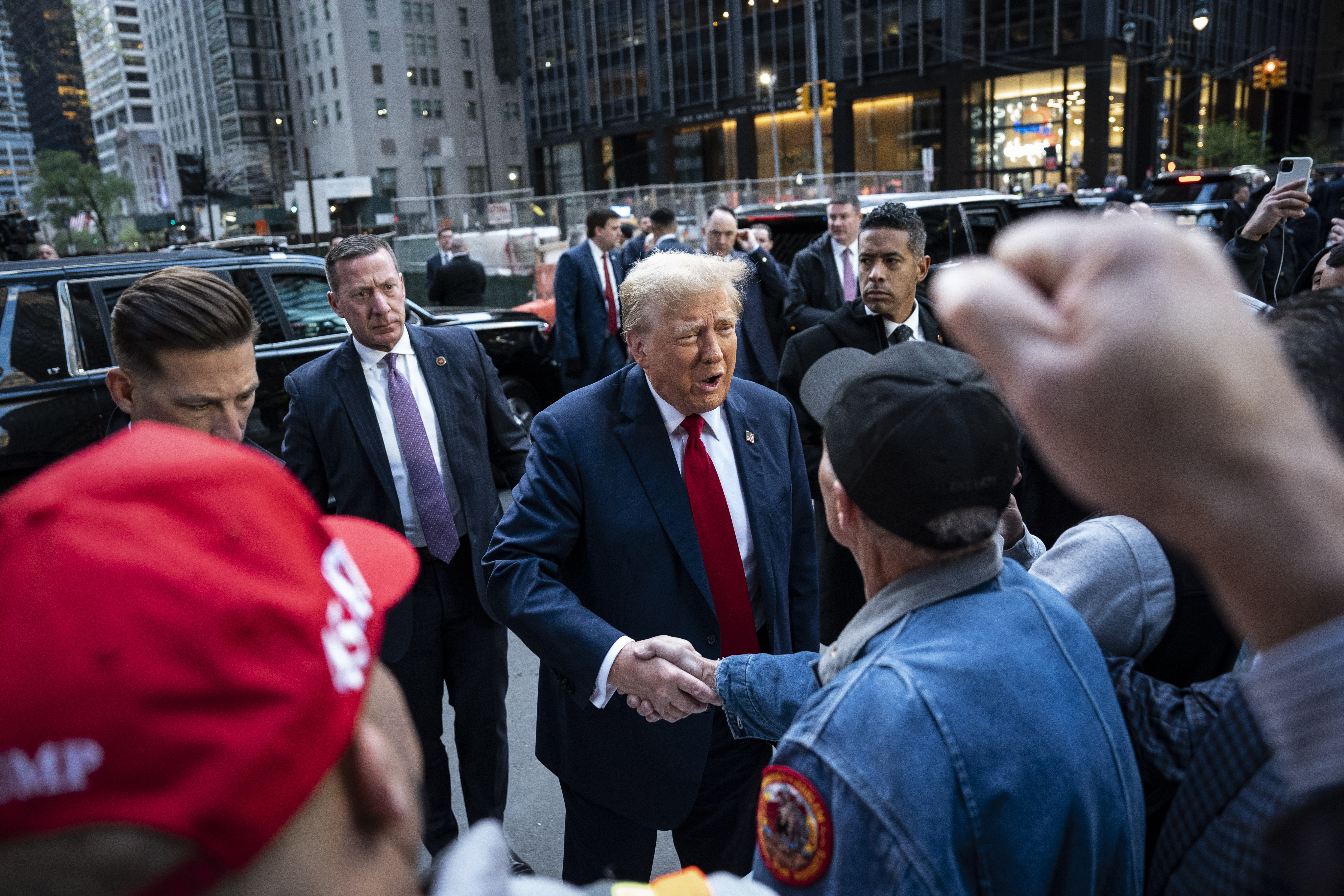
The judge in Donald Trump’s New York hush money trial found the former president in contempt Tuesday for his critical public statements as proceedings entered their third week.
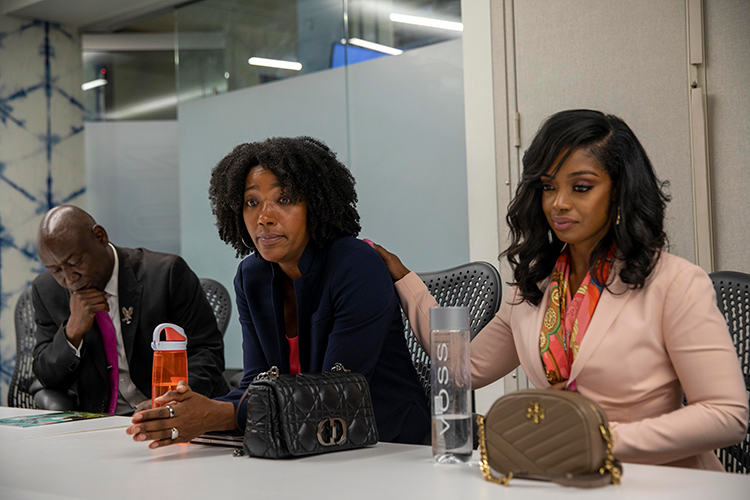
They might be courtroom adversaries, but Arian Simone swears she and the man suing her venture capital firm want the same thing: an America where race does not matter.
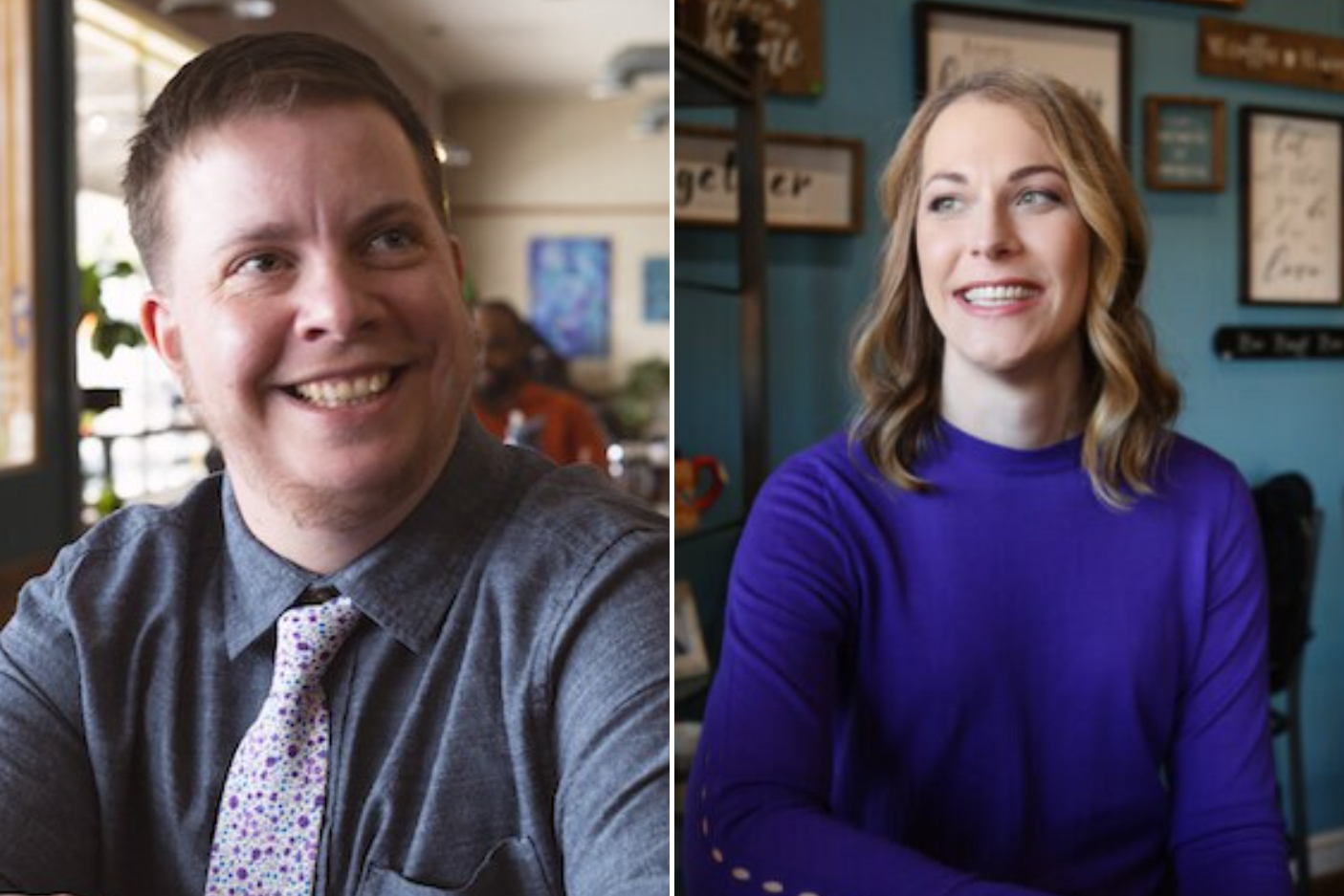
A federal appellate court in Richmond became the first in the country to rule that state health-care plans must pay for gender-affirming surgeries, a major win for transgender rights amid a nationwide wave of anti-trans activism and legislation.