Oral argument is the most visible part of appellate practice. And while lawyers differ on whether a good argument will change the outcome of your case, we can all agree that it’s the thing your clients and colleagues are most likely to see you doing. Not to mention the thrilling proposition that there may one day be a blurry artist’s rendering of you inside the Supreme Court.
"When you lose touch with inner stillness, you lose touch with yourself. When you lose touch with yourself, you lose yourself in the world." —Eckhart Tolle
Abraham Lincoln had two careers; one as a lawyer and one as a politician—professions known for severe moral and ethical dilemmas. Given the events of the time, Lincoln faced new levels of dilemmas as he made decisions that helped start the Civil War and those that would finally end the conflict—and slavery with it.
Editor’s Note: When a parent is in hospice, there may be wishes to voice things that have been unsaid and for your loved one to somehow return to at least a bit of their old selves, for conversations if nothing else. Dan Caldwell, a 76-year-old retired political science professor who died in January, gave his family that gift during the recent Southern California wildfires. His daughter Beth Caldwell, a Southwestern Law School professor, shared their story with the ABA Journal.
The American Bar Association’s Cornerstones of Democracy Commission, on which I am privileged to serve, encourages the legal profession to lead the way in promoting civics, civility and collaboration—the cornerstones of American democracy—to restore confidence in democratic institutions and the judicial system, and to promote the rule of law.
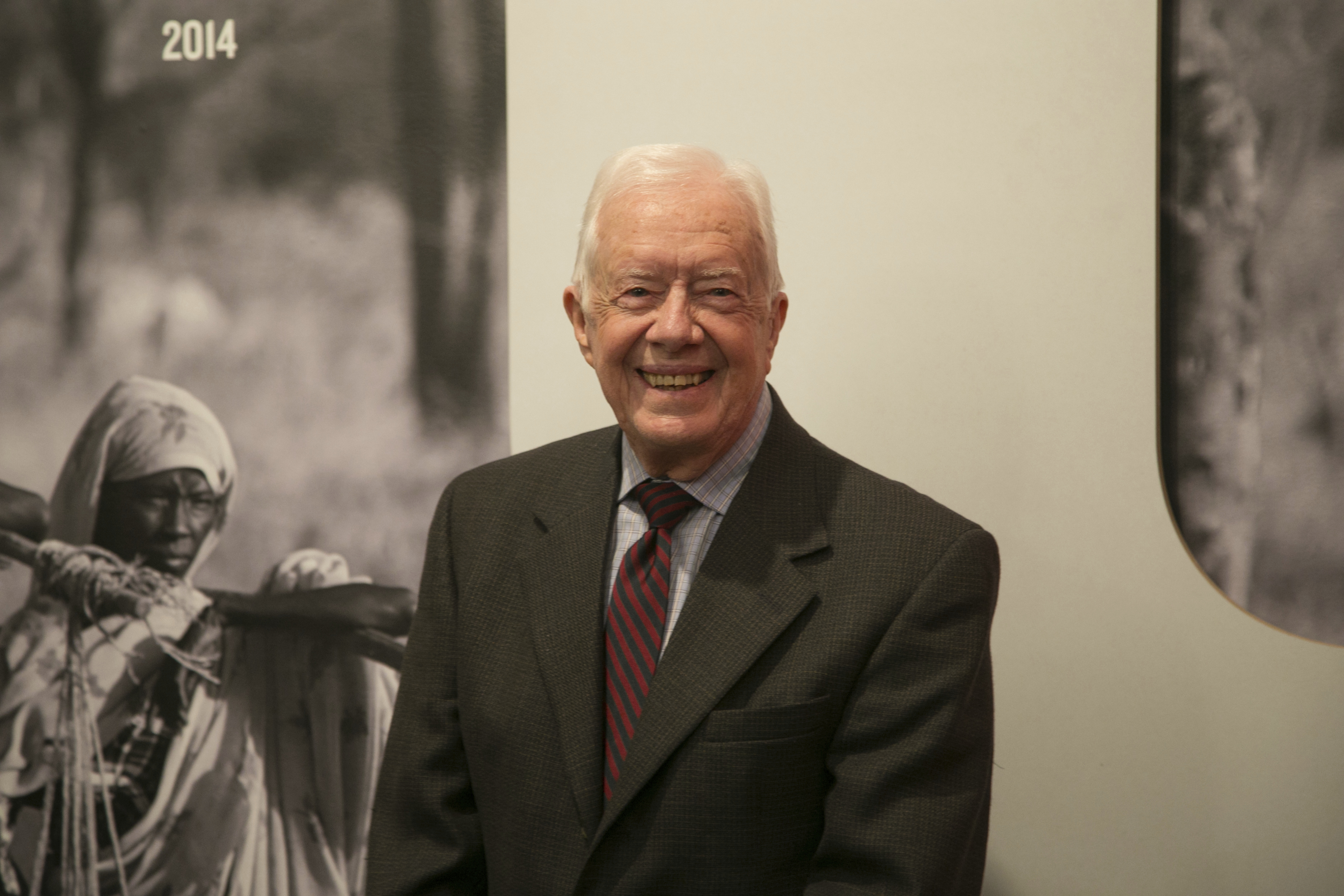
Educators and students preparing to begin a new semester can make good use of lessons about leadership and purposeful service that can be gleaned from the beautiful life of former President James Earl “Jimmy” Carter. That is especially so for law school communities for at least two reasons.
We’ve all seen the headlines about AI-boosted lawyers run amok. Since ChatGPT landed, phantom cases have cropped up in court filings around the country. Judges have responded, meting out sanctions, excoriating counsel, and—more recently—even issuing a flurry of new orders and rules that regulate how litigants can use new AI-based technologies.
As we reflect on our journeys through the legal profession, one theme emerges: the power of mentorship, particularly female mentorship. The power of female mentorship cannot be overstated, as it can play a critical role in transforming a talented yet uncertain junior attorney into a highly skilled and autonomous senior attorney.
It is the final question I pose, when interviewing lawyers to write their bios, as a small part of my legal marketing, PR and communications practice. I will already have digested their standard fare: what they do, what they want to do more of, why what they do really matters and to whom.
My high school trigonometry teacher was, by his own admission, “old school.” He didn’t allow us to use calculators. Ever. Instead, all decimals had to be divided by hand, all formulas known by memory, and all square roots worked out on paper. We were unlikely to walk around with calculators when we got older, he explained, and so we had to be able to work things out with only a pencil and our brain.
The ABA Journal wants to host and facilitate conversations among lawyers about their profession. We are now accepting thoughtful, non-promotional articles and commentary by unpaid contributors.