

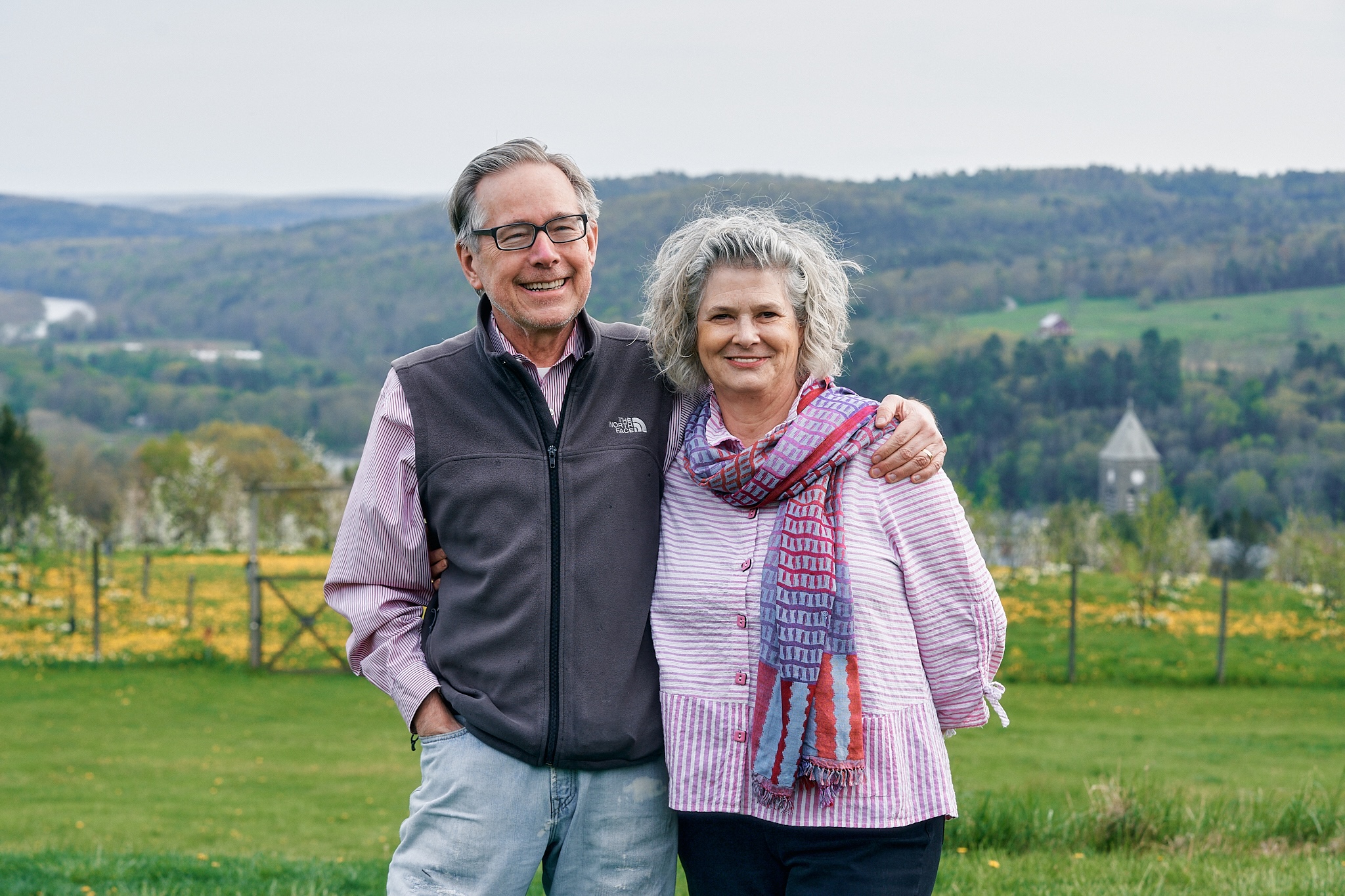
Doug Doetsch’s roots stretch back five generations in Callicoon, a small town in upstate New York that sits in the foothills of the Catskill Mountains.
Both sides of his family ran German farms that supplied milk, eggs and chicken to the so-called Borscht Belt, an extensive network of resorts and hotels that were frequented by Jewish families from New York City for much of the 20th century. For more than 50 years, his maternal grandparents also ran their own boarding house.
Doetsch, who went first to Kalamazoo College and then Columbia Law School, realized when he returned to visit that the area had changed significantly. The resorts and hotels were closed. Families had moved away from their farms. Fallow land went unused.
"That way of life, you know, living close to the land, taking care of the land, being a steward of the land, that really was disappearing," Doetsch says. "And I thought that was a shame."
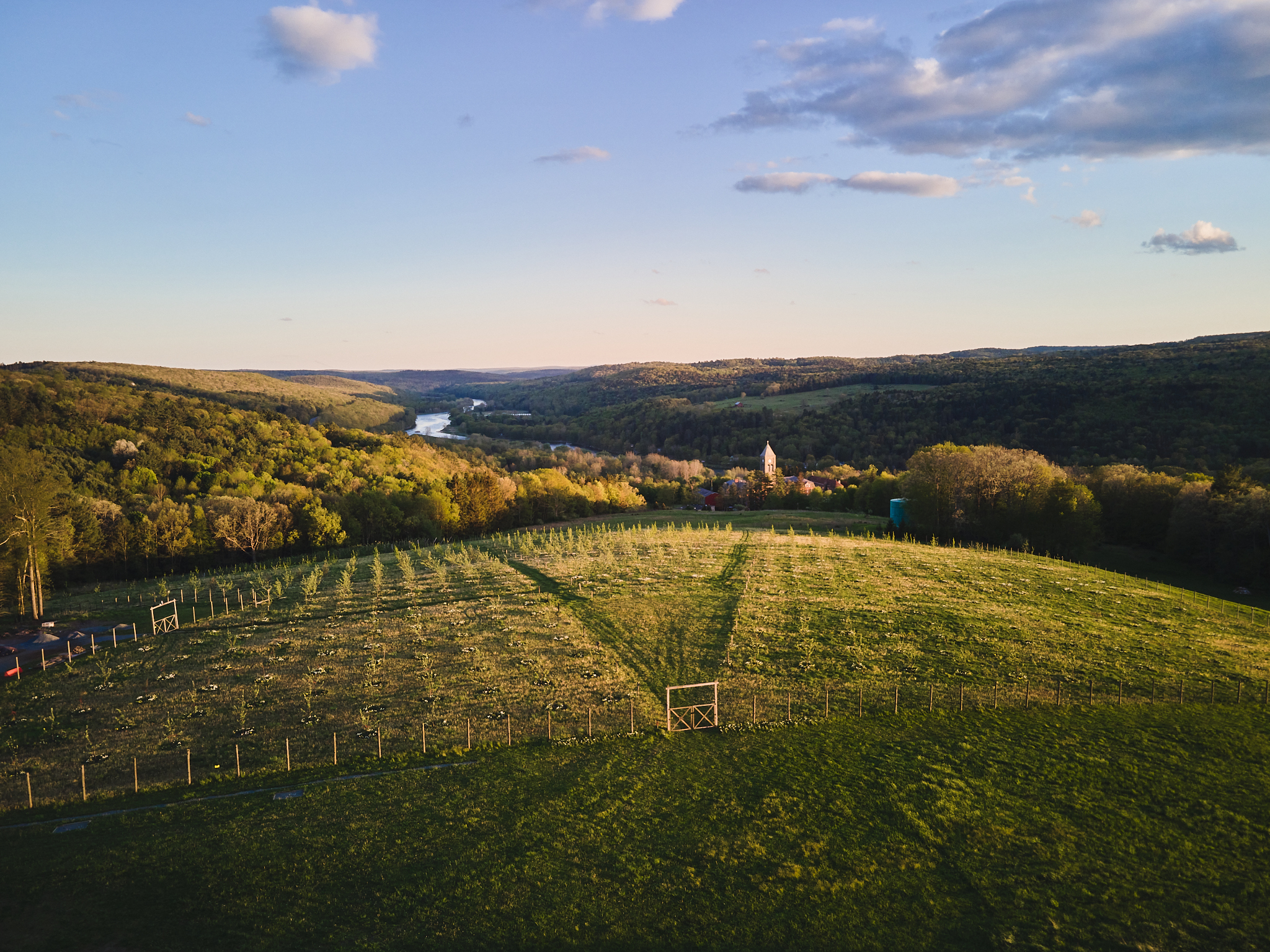
In 2012, Doetsch, who is now a partner and international finance lawyer at Mayer Brown in Chicago, began thinking about how he could revitalize his family's homestead. It had the remains of an apple orchard, and he knew his great-grandfather made cider during Prohibition.
Doetsch and his wife, Susan Manning, a professor emerita in the theater department at Northwestern University, and their two sons had also just taken a trip to France. There they were inspired after seeing how cider-makers were vital to regional tourism.
"I really felt a tug for that sort of agricultural, simpler life and a way to create hospitality for people that syncs up with how they think now, where they want to go now, what they want to experience now," Doetsch says.
Doetsch’s decision to start the cidery also was inspired by his wife’s uncle, an antitrust lawyer who retired from McDermott Will & Emery and became a successful cherry farmer. "I always thought he had figured out Chapter 2 of his life better than anybody else I knew," Doetsch says.
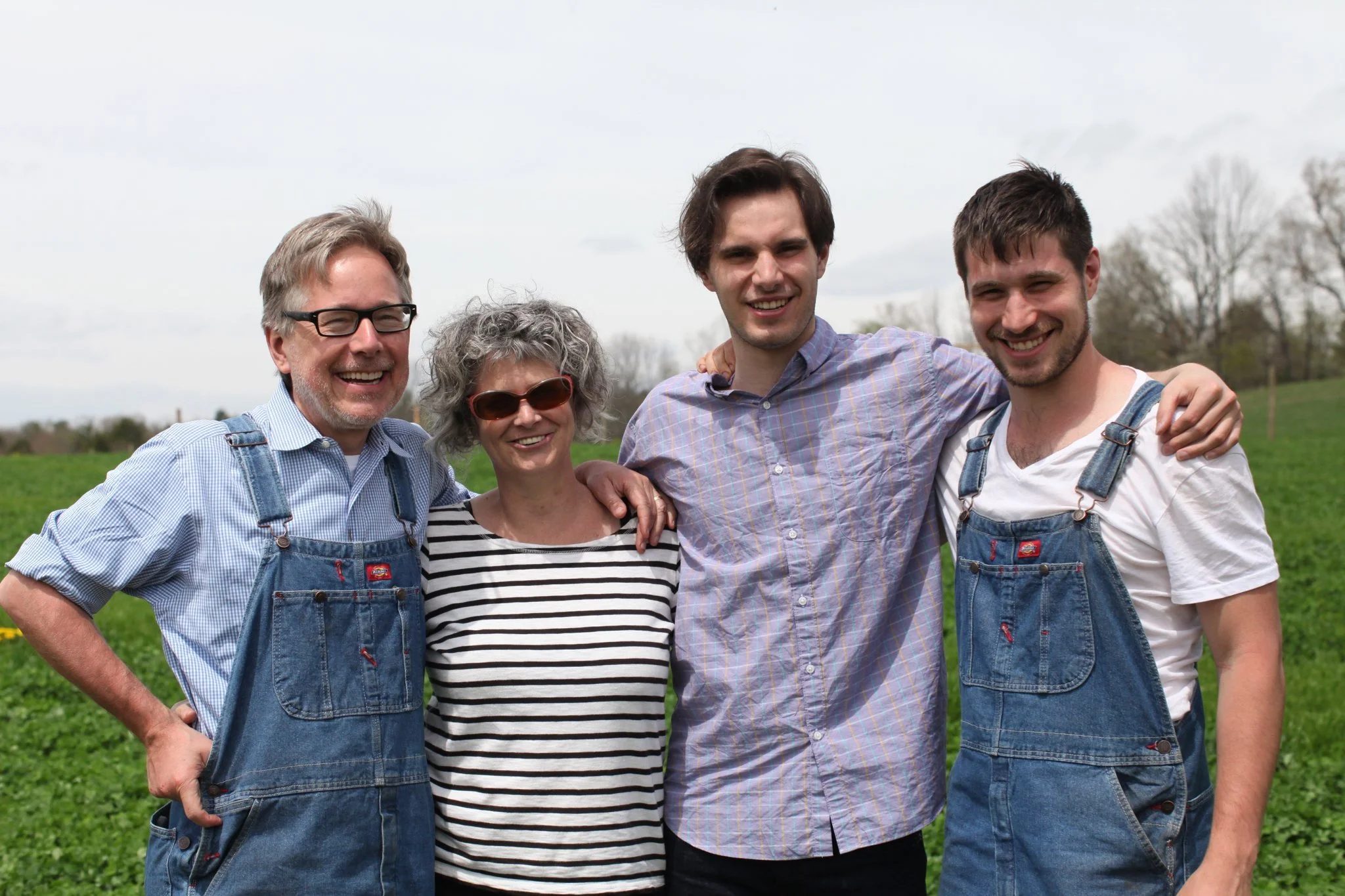
Doetsch began working with organic orchardist Michael Phillips to prepare the soil for new orchards. For several years, he and his family, which includes cousins who live in the area, and friends planted apple and pear trees each spring. They also began building a cidery and rehabbing the nearby community hospital building—where Doetsch’s mother was born, and where Doetsch had his tonsils removed—to make space for a small inn.
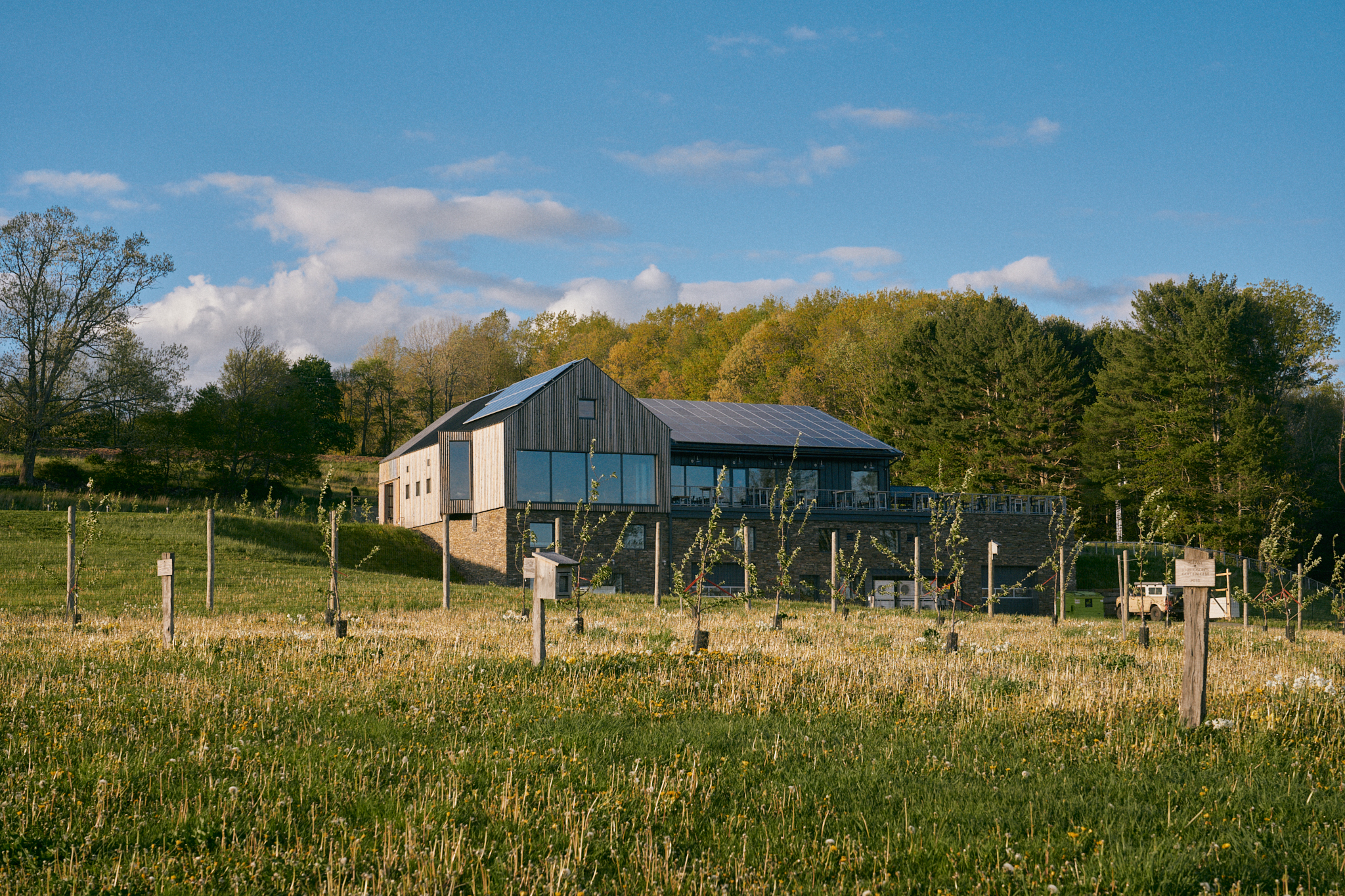
In 2021, Seminary Hill opened its doors. It has a 12-acre organic orchard that grows 60 varieties of apples and pears. Its cidery was constructed with wood from New York’s now-demolished Tappan Zee Bridge, and it was the first building of its kind to receive Passive House certification for reducing energy use.
Seminary Hill's inn, which has eight apartments, is called the Boarding House. It has been designated as a Michelin Key property since 2024, a designation akin to a a Michelin restaurant star awarded to hotels. It also has a farm-to-table restaurant and event space that has hosted weddings, family reunions and even the local prom.
"We've been pretty busy," says Doetsch, who is Seminary Hill's CEO. "On holiday weekends in the summer, we can have 900 to 1,000 guests visiting the cidery. It's great to see it buzzing, full of people laughing and looking out over the view."
Doetsch adds that the cidery— which overlooks the orchard and the Delaware River—has the best view in the area.
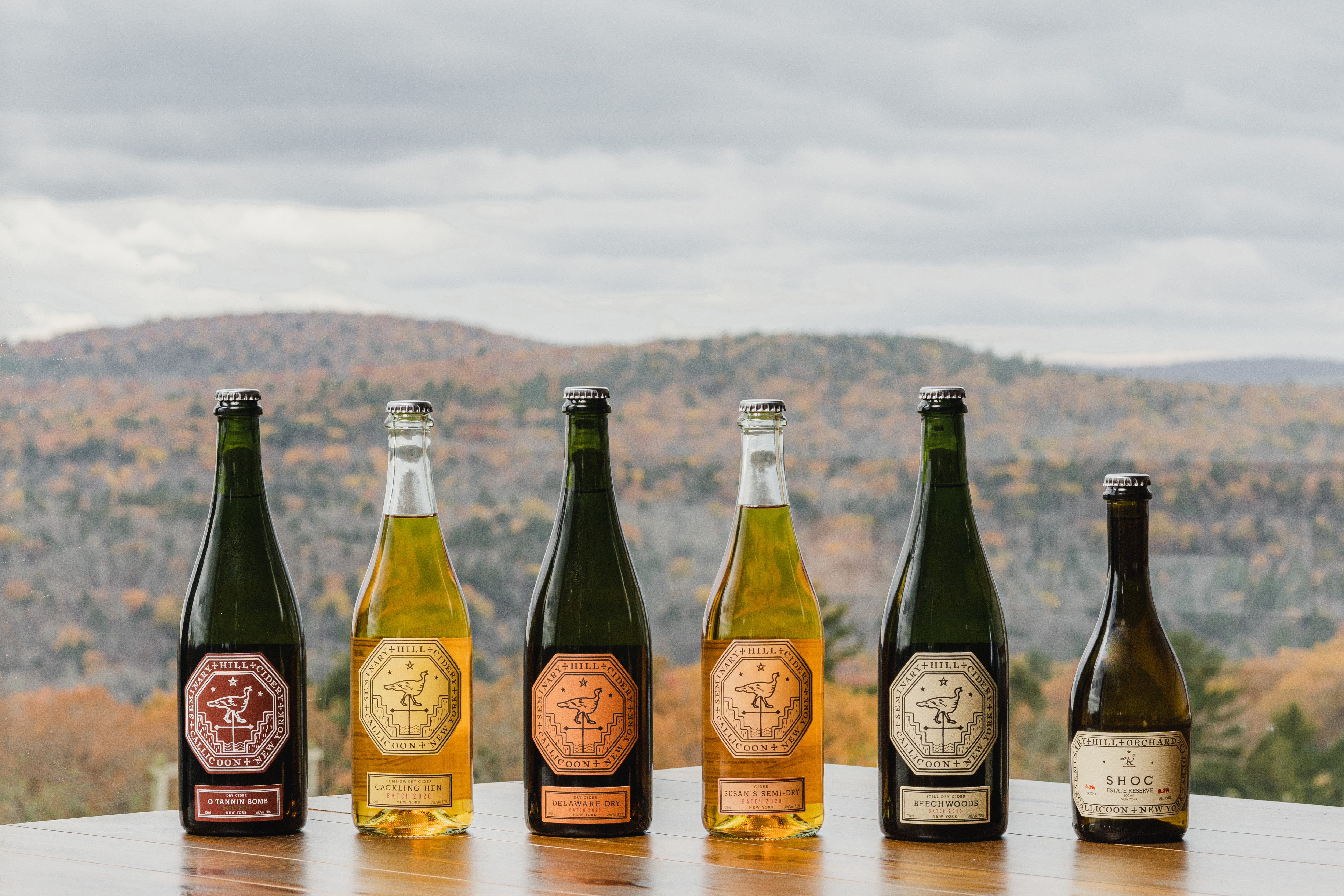
"We've got a very steady clientele, which is comprised of tourists and weekenders and locals who come up for cider and a good meal," says Doetsch, whose favorite cider is Susan's Semi-Dry, named in honor of his wife. He notes that Seminary Hill’s Delaware Dry is another favorite and that its 2024 Pommeau was recognized as the top fortified cider at the 2026 Great Lakes International Cider and Perry Competition.
The cider-making process is very similar to the winemaking process, Doetsch says. Most of their ciders are made with a blend of various apples. Perry is made with one or more varieties of pears, and apples and pears are often blended to make perry/cider. Although most of their cider is sold at the cidery and online, they sell bottled cider at wine shops in the Delaware and Hudson valleys as well as draft and bottled cider at restaurants in those areas and in New York City.
Along with reclaiming his heritage and creating a sustainable agriculture business, Doetsch envisions that Seminary Hill will be a big part of his next chapter.
He visits the cidery every couple of months, but after he steps down as a partner at Mayer Brown at the end of the year, he intends to be there a lot more.








