
Renard Sanders remembers the day in 2013 when his bosses at Dave & Buster’s in Duluth, Georgia, called an early-morning meeting.

On a summer morning near Chappaqua, New York, in 2011, Evan Lieberman, 19, was carpooling with co-workers when the driver collided with another vehicle. Five occupants between the two cars were sent to the hospital.

Private lawyers pay armies of freelance investigators to go into establishments and document pay-per-view theft. For a small business, a lawsuit could be a death knell.

Erica Moeser, president of the National Conference of Bar Examiners, says the cause of the current slump is “deceptively simple.” So simple, in fact, that she doesn’t know how anybody could think otherwise.
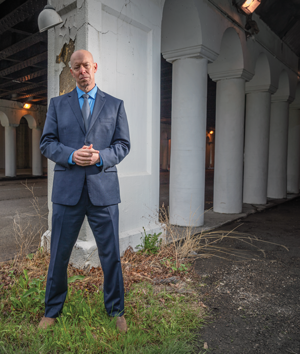
Sitting in his office at the University of Chicago Law School just over a year ago, attorney and professor Craig Futterman was talking about a video almost no one had seen. It was a dashboard-camera recording of a white Chicago police officer killing a black teenager.
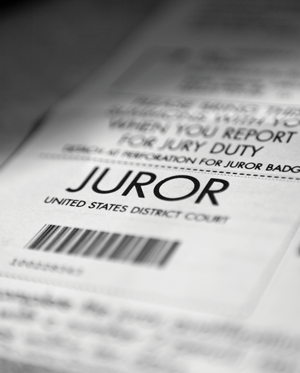
While advertisers, marketing companies and political campaigns routinely glean personal information about consumers and voters from databases, such data remain largely untapped when it comes to jury duty.

When Judge Robert Katzmann joined the 2nd U.S. Circuit Court of Appeals at New York City in 1999, immigration was a “minuscule” part of the docket. Six years later, it had become 40 percent of the caseload.
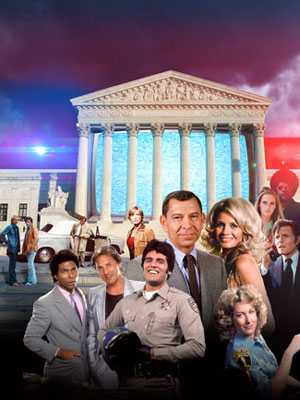
The 1966 decision in Miranda v. Arizona set the stage for a legal saga displaying the twists and turns of a cop show.
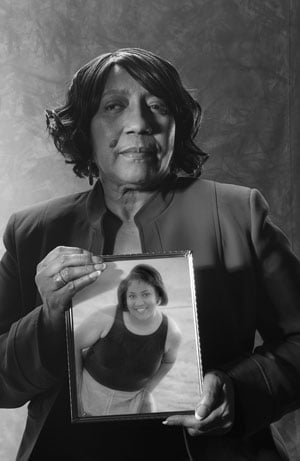
Nursing home regulatory systems are structured around administrative fines—fines that are reduced so routinely that they have become widely considered a cost of doing business rather than an incentive to provide quality care. Read this ABA Journal feature recently honored by the American Society of Business Publication Editors.