What are you going to do when you retire? That's usually the first question after the big announcement comes out. Everyone has plans, but retirees often discover that these were not as sustainable, lasting or rewarding as they'd thought, and they have empty hours to fill. At this point, developing meaningful alternatives can be overwhelming. Time passes, and opportunities are lost.
"Whistle while you work." That's what one of my mentors routinely told me as I trained to become a better football official. He would remind me that, even at your lowest point, when it feels like the whole world is against you, it is important to remember the reason you are there.
“Even after having lived with major mental health issues, I can’t shake my outmoded ways of thinking about them and the people they afflict—myself included. We’re all judging people with mental health issues because we’ve been trained to.”
Lawyers are big on adhering to statutes and caselaw precedents, contractual provisions and the clauses of internal governance documents, employee handbook policies, and terms from codes of conduct. But what happens when there is ambiguity?
In his book, The Speed of Trust: The One Thing That Changes Everything, Stephen M. R. Covey writes of a theoretical tax that is imposed in low trust environments—what he calls the “trust tax.”
Oral argument is the most visible part of appellate practice. And while lawyers differ on whether a good argument will change the outcome of your case, we can all agree that it’s the thing your clients and colleagues are most likely to see you doing. Not to mention the thrilling proposition that there may one day be a blurry artist’s rendering of you inside the Supreme Court.
"When you lose touch with inner stillness, you lose touch with yourself. When you lose touch with yourself, you lose yourself in the world." —Eckhart Tolle
Abraham Lincoln had two careers; one as a lawyer and one as a politician—professions known for severe moral and ethical dilemmas. Given the events of the time, Lincoln faced new levels of dilemmas as he made decisions that helped start the Civil War and those that would finally end the conflict—and slavery with it.
“Losing our home with all of our possessions pales in comparison to losing my dad. But the things also matter. So many special mementos he had kept for his entire life to pass down to us—letters, photos, memories from our childhoods.”
As we examine the life and legacy of Dr. Martin Luther King Jr., we can see Dr. King employing these three cornerstones of democracy as he challenged our nation to live up to its ideals.
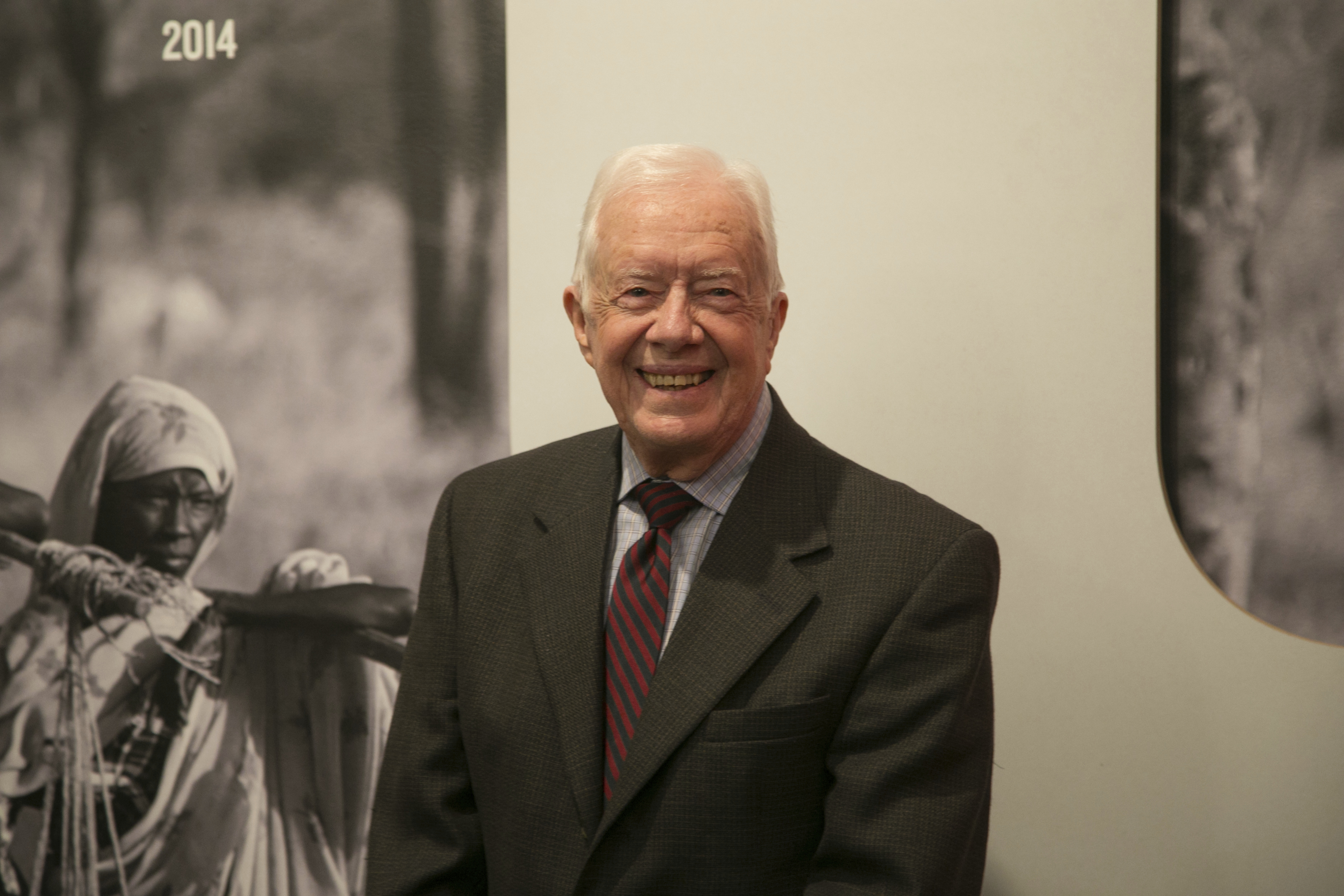
Educators and students preparing to begin a new semester can make good use of lessons about leadership and purposeful service that can be gleaned from the beautiful life of former President James Earl “Jimmy” Carter. That is especially so for law school communities for at least two reasons.
We’ve all seen the headlines about AI-boosted lawyers run amok. Since ChatGPT landed, phantom cases have cropped up in court filings around the country. Judges have responded, meting out sanctions, excoriating counsel, and—more recently—even issuing a flurry of new orders and rules that regulate how litigants can use new AI-based technologies.
As we reflect on our journeys through the legal profession, one theme emerges: the power of mentorship, particularly female mentorship. The power of female mentorship cannot be overstated.
It is the final question I pose, when interviewing lawyers to write their bios, as a small part of my legal marketing, PR and communications practice. I will already have digested their standard fare: what they do, what they want to do more of, why what they do really matters and to whom.
My high school trigonometry teacher was, by his own admission, “old school.” He didn’t allow us to use calculators. Ever. Instead, all decimals had to be divided by hand, all formulas known by memory, and all square roots worked out on paper. We were unlikely to walk around with calculators when we got older, he explained, and so we had to be able to work things out with only a pencil and our brain.