Vanessa Torres. Early in my first year at Lowenstein Sandler, a restructuring partner described a recurring challenge: Colleagues often waited until a client was in a serious bind to introduce him. I heard a related concern from litigators, who found that lawyers sometimes hesitated to introduce them because, as one…
Joseph Trotti. “Ooh, each mornin’ I get up I die a little. Can barely stand on my feet. Take a look in the mirror and cry. Lord, what you do to me?” —Queen While the headline of this article may suggest it’s about vanity, it’s not. Well, for the most…
Lindsay Lieberman. (Photo by Sandra Morlet) A few months ago, I attended a legal conference where artificial intelligence was a dominant topic of discussion. As an attorney who represents victims of intimate image abuse and gender-based violence, I was eager to hear how the profession was thinking about AI. One…
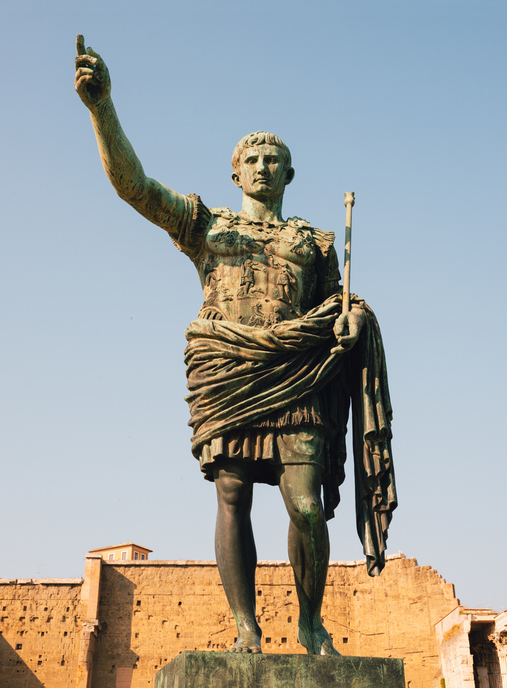
Marcel Strigberger. Hilarious J: This is an action by the plaintiff, Julius Caesar, for damages for wrongful dismissal. The plaintiff, born in the year 100 B.C., started working for the defendant in the year 69 B.C. after completing his studies, including a course in oratory, at Rhodes. While in his…
I have spent much of my career on the technology of law: how technology, and now generative AI, is changing the delivery of legal services and how law schools should adapt. That work is as important as ever, and the legal profession is increasingly focused on it. At the same time, more lawyers need to help shape the law of technology: the statutes, regulations and other legal infrastructure that govern how artificial intelligence is built and deployed and who is legally responsible when AI causes harm.
Stratton Horres. I spent three ABA Journal articles telling lawyers how to plan for retirement. Then cancer filed an objection. In my first article, “A funny thing happened on the way to my retirement,” I argued that lawyers need not quit the profession cold turkey. We can retire in stages,…
Marcel Strigberger. If you’re happy and you know it, swing your gavel. Are judges a happy lot? Compared to lawyers especially? A study generated by the Canadian Judicial Council with collaboration from the University of Sherbrooke noted that though some judges experience anxiety and depression, the figure for lawyers was…
Artificial intelligence can summarize an entire semester of coursework in seconds, grade assignments, pass the bar exam and write a legal brief. Meanwhile, the decision to pursue higher education has never faced more scrutiny. Politicians brand universities as ideological factories, parents balk at the soaring price tag, new federal policy caps graduate student borrowing, research funding is under political siege, and enrollment is nearing a demographic cliff.
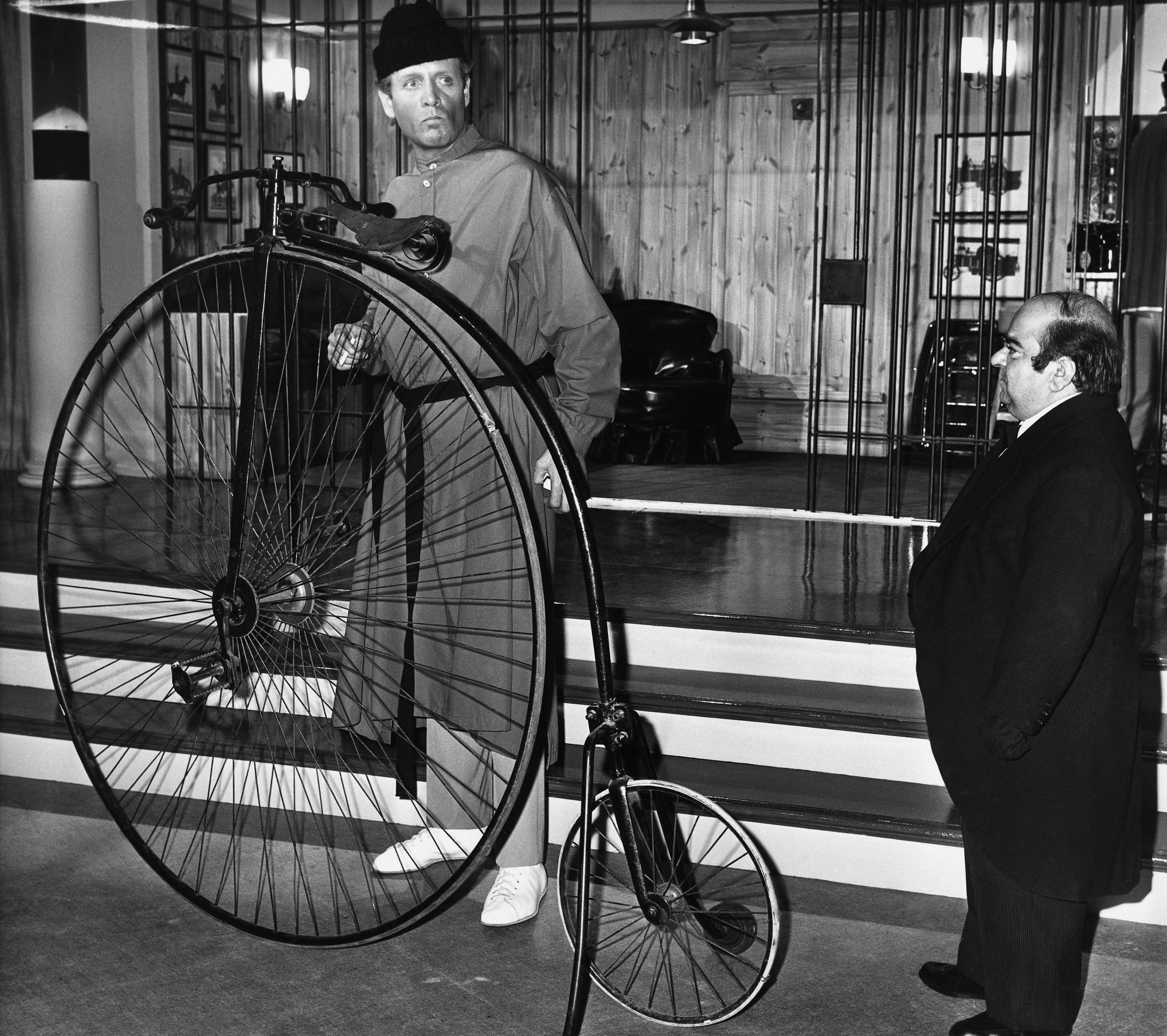
When I first watched The Prisoner as a teenager, I was captured, in every sense, by its themes and its aesthetics. A secret agent resigns, is gassed in his London flat and wakes up in a candy-colored seaside village where everyone wears numbered badges and piped blazers, the taxis only make local trips, and a white balloon hunts down anyone who tries to leave.
Large institutions may look different from the outside—the U.S. Air Force, the American Bar Association and a modern alternative business structure law firm—but leading change inside them follows remarkably similar patterns.
The ABA Journal wants to host and facilitate conversations among lawyers about their profession. We are now accepting thoughtful, non-promotional articles and commentary by unpaid contributors.