The U.S. Supreme Court agreed with the Trump administration Friday when it ruled 6-3 in a case about birthright citizenship that nationwide injunctions likely exceed the authority of federal courts.

A Texas death row inmate who wants DNA testing to establish that he wasn’t at a murder scene, although he helped plan a robbery there, has standing to challenge the state law governing testing procedures, the U.S. Supreme Court ruled Thursday.

Scorpion, a provider of legal marketing and tech solutions, announced Wednesday that it is partnering with Clio, the cloud-based practice management platform.

Lawyers representing a food company are facing possible sanctions for filing a motion to dismiss said to largely copy whole sections of a brief filed by another law firm with arguments that did not succeed.

When a state requires lawyers to take continuing legal education classes, is access to justice affected? A new paper claims that the number of lawyers with active licenses declines in states with CLE requirements.

Fossil fuel companies have standing to sue the Environmental Protection Agency for approving California’s requirement for the production of more electric vehicles, the U.S. Supreme Court ruled Friday in a 7-2 decision.

“Lawyers are fighters, and judges will follow the law,” says Diane Seltzer, the president-elect of the D.C. Bar for the 2025-2026 term. “We are fierce; we care deeply about justice; and we are very, very resourceful in finding ways to make sure we prevail.”
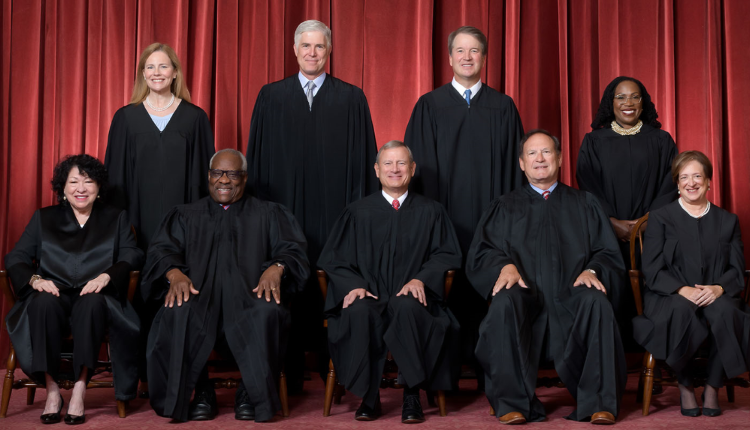
It’s a rite of June every year, but especially so when there is a new presidential administration. Those in the orbit of the U.S. Supreme Court ask, “Will a justice retire at the end of the term?”

Lawyers using the Harvey artificial intelligence platform will soon be able to tap into LexisNexis’ vast legal research capabilities.
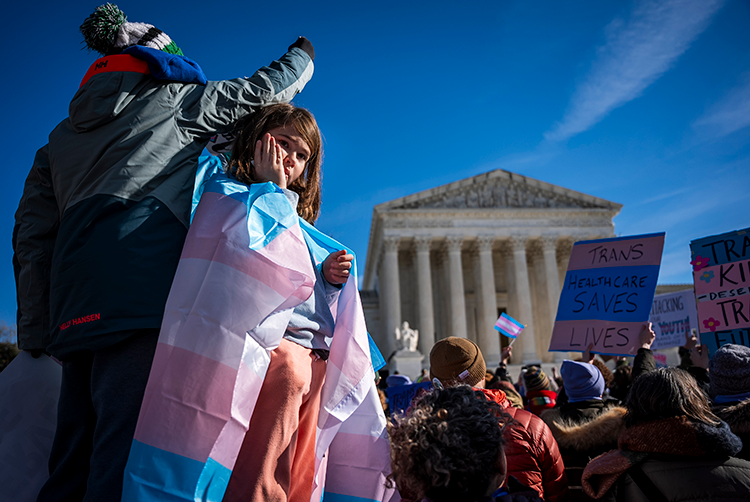
The U.S. Supreme Court ruled 6-3 Wednesday that Tennessee’s ban on gender-affirming medical treatments for transgender minors does not violate the equal protection clause of the 14th Amendment.