To tens of thousands of Spanish-speaking immigrants across the country, Alexandra Lozano sold an irresistible promise: “arreglar sin salir”—gain legal status in the United States without ever having to step outside its borders.
Behind that pitch, the self-proclaimed “lawyer of miracles” cultivated an empire of success, complete with a multimillion-dollar real estate portfolio and a custom pink jet. But according to Seattle attorney Vicente “Omar” Barraza, the engine driving Lozano’s lavish lifestyle wasn’t groundbreaking legal acumen. It was an assembly line.
"She treated immigration law like a manufactured tennis shoe," Barraza says. “She established an office in Colombia that prepared a huge amount of the work, and the whole model was built on minimizing contact with attorneys.”
Lozano, who surrendered her Washington law license in May and now faces two lawsuits from former clients, is just one piece of a growing crisis. Beyond rogue attorneys and the political crossfire, the immigration landscape is facing an explosion of tech-enabled scams—from stolen attorney identities to artificial intelligence-staged courtroom hearings.
Last year, the ABA issued alerts warning of individuals impersonating the ABA and U.S.-based attorneys to offer fake immigration services. The scams involved the unauthorized use of the ABA name and logo in email addresses, domain names and fraudulent contracts.
According to Adonia Simpson, deputy director of the ABA Commission on Immigration, immigration fraud has really changed.
“Initially, it was fake agreements for services, then we started seeing fake notices for benefits, and more recently, we’ve seen completely fabricated hearings via Zoom,” she says.
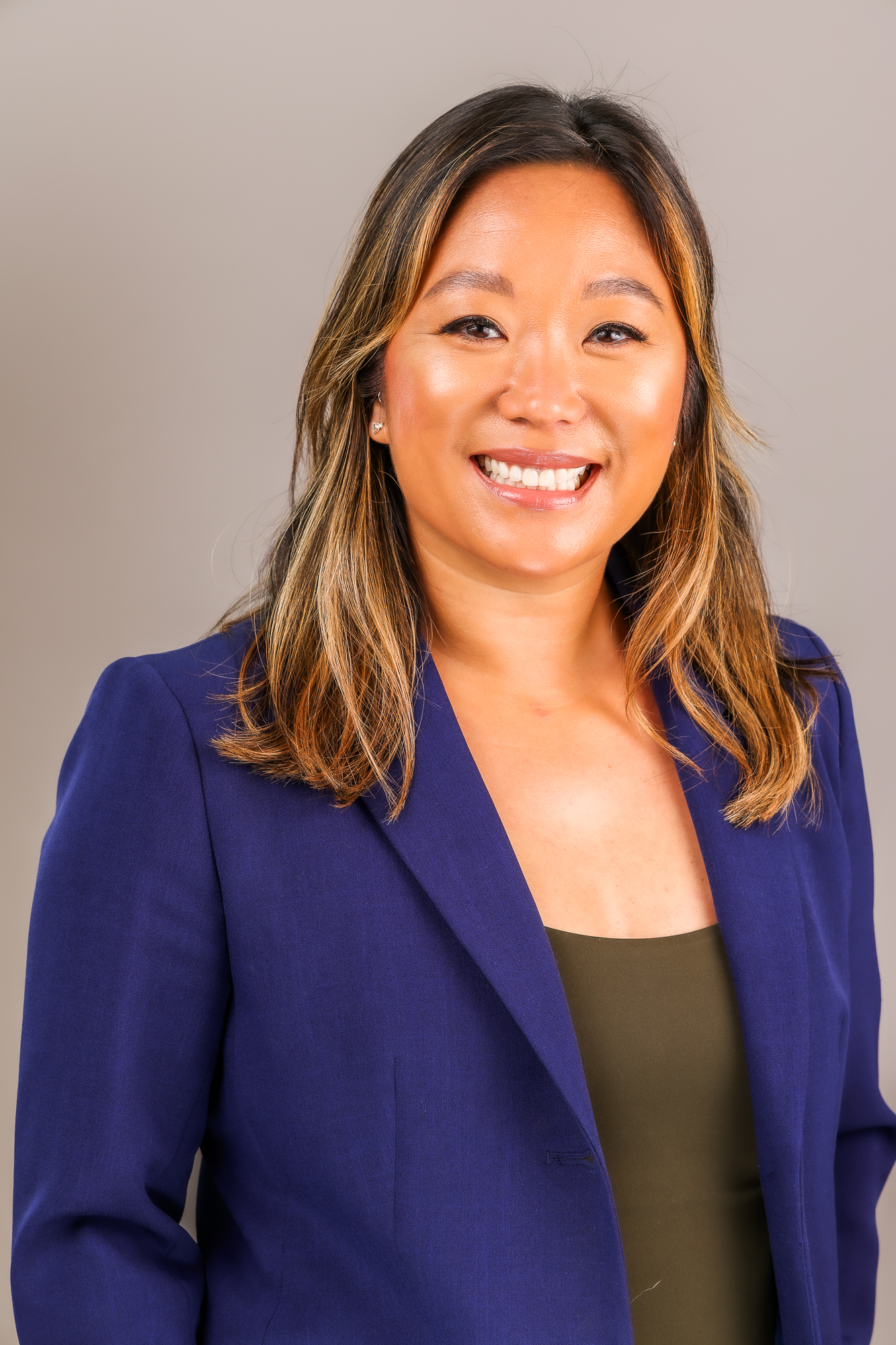
Andrea Jacoski, associate director of the Immigration Clinic at the University of Miami School of Law, experienced this firsthand when someone sent her a WhatsApp message asking to discuss a payment plan. As an attorney with a limited practice, it was an immediate red flag that ultimately revealed someone had fabricated a fake University of Miami ID card and business cards bearing her Florida Bar number.
“It was very bizarre and very sad. People had already had consultations, and others had already paid this person who they thought was me,” Jacoski says. “This person had doctored [U.S. Citizenship and Immigration Services] documents, and from a passing glance, they looked pretty sophisticated.”
If an attorney’s identity is stolen, there’s a possibility someone would file a bar complaint alleging ineffective assistance of counsel for work the attorney did not know about or perform, Simpson says. She urges lawyers like Jacoski to notify their licensing boards immediately.
Like the ABA, Christopher Ross, vice president of migration and refugee resettlement services at Catholic Charities USA, says his organization and their member organizations have seen their branding used online to scam immigrants.
“I know all nonprofits deal with scams historically, but I have never seen anything like this,” Ross says.
Most of the scams he’s seeing start on social media sites before moving over to messaging apps like WhatsApp. But Ross notes a growing number of instances where scammers are using AI to create fake courtroom scenes complete with actors.
As these scams evolve, Simpson says the ABA’s messaging has had to change.
“We used to tell people to check to make sure their lawyer is licensed, but that’s not necessarily the silver bullet anymore. Now, people need to look up the attorney’s license and contact their place of work on that page to see if they work where they say the work and are who they say they are.”
While tech-enabled scams are growing, the lawsuits against Lozano highlight how some bad actors are exploiting humanitarian provisions like the Violence Against Women Act, which allows domestic abuse survivors to adjust their status domestically.
In May, a legal team including Barraza filed a lawsuit in the U.S. District Court for the Western District of Washington against Lozano, who has not been charged with a crime, on behalf of nine former Lozano clients who say her services were “illusory, negligent and even fraudulent.”
Lozano surrendered her law license weeks later, a decision that shielded her from disciplinary proceedings and left more than 54,000 immigration cases in limbo. Since then, Barraza says, the number of plaintiffs in the mass action suit has jumped to 34, another class action suit was filed, and no one can find Lozano.
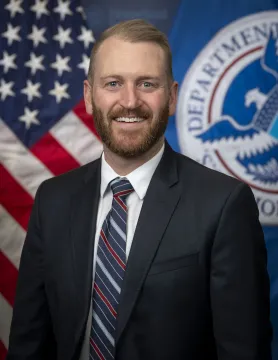
Barraza says Violence Against Women Act petitions formed the core of Lozano’s business model. Among other allegations, her firm is accused of submitting false or exaggerated accounts to support Violence Against Women Act petitions and having clients sign blank sheets of paper to later attach to documents they never reviewed.
“It’s a catastrophe for the Spanish-speaking community in this country,” Barraza says. “Even if you assume they should have known better, they are still victims.”
In September, Department of Homeland Security General Counsel James Percival sent a letter to the American Immigration Lawyers Association, accusing immigration attorneys of causing the asylum backlog with “meritless” asylum applications.
“Treating asylum as a solution for every immigration case does not help anyone. Instead, it overwhelms our resources,” Percival wrote, warning that DHS would pursue all available remedies against attorneys filing frivolous claims.
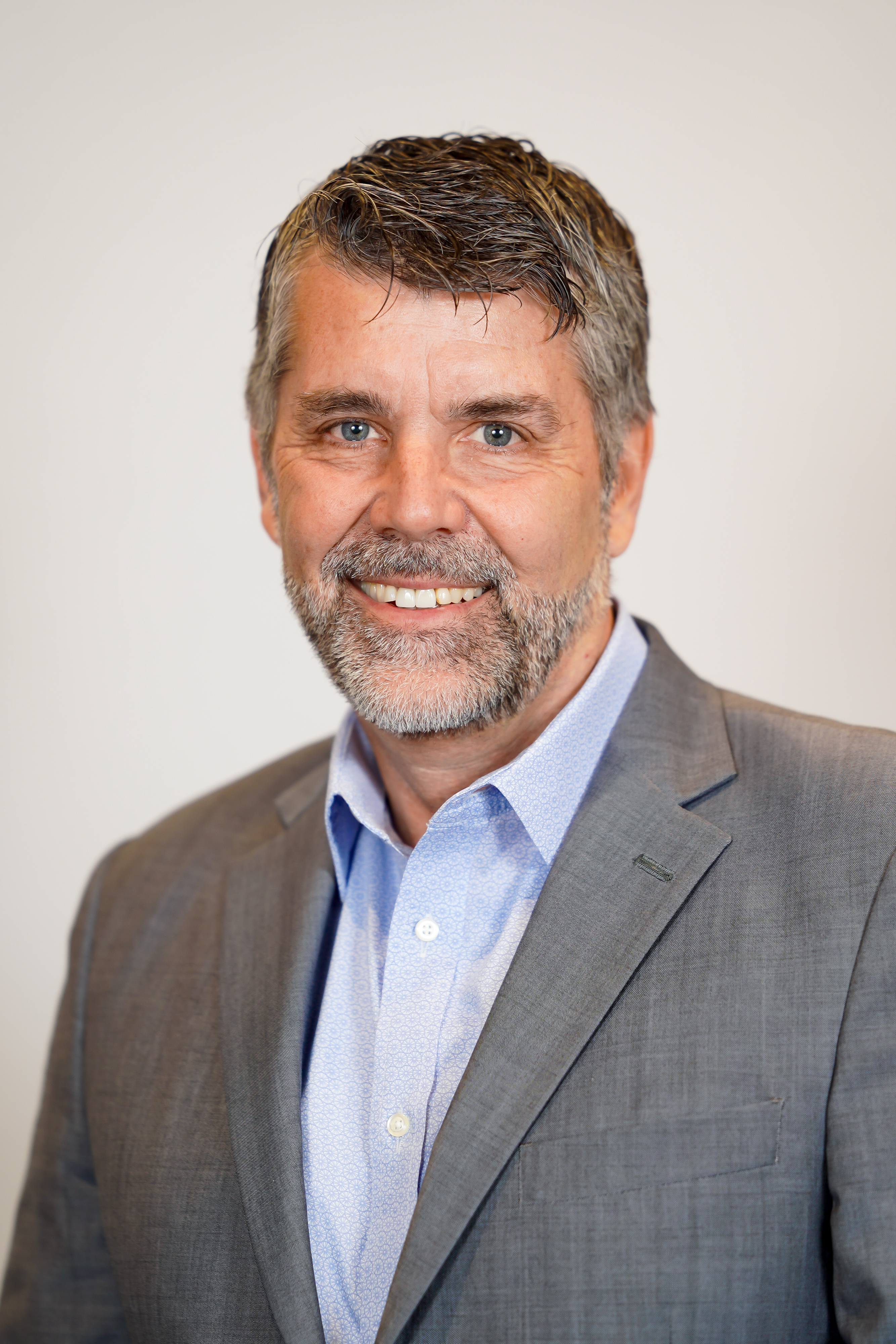
Ben Johnson, executive director of the American Immigration Lawyers Association, called the letter political theater, saying it was leaked to the press and posted on social media sites before it ever reached his desk.
“There is real fraud happening out there, and instead the DOJ is wasting its time on hypocritical nonsense letters implying that any asylum claims from the Western Hemisphere are fraudulent,” Johnson says. “We don’t need to be lectured about asylum, particularly from an administration that doesn't understand the basics for asylum in the United States.”
Urging the administration to focus their attention on immigration reform, Johnson noted in his response that “we will not be intimidated as we defend lawyers fulfilling their ethical duties, protecting constitutional due process for those seeking asylum, and holding DHS fully accountable.”