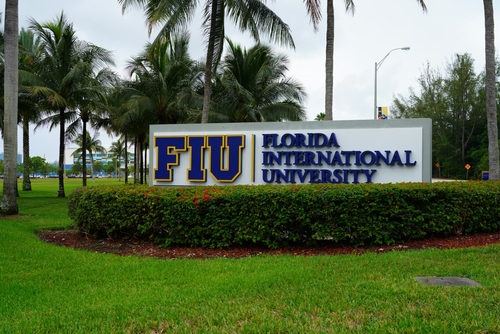
A former personal attorney for President Donald Trump and a former White House counsel during the first Trump administration will become the interim dean of the Florida International University College of Law, starting in August.
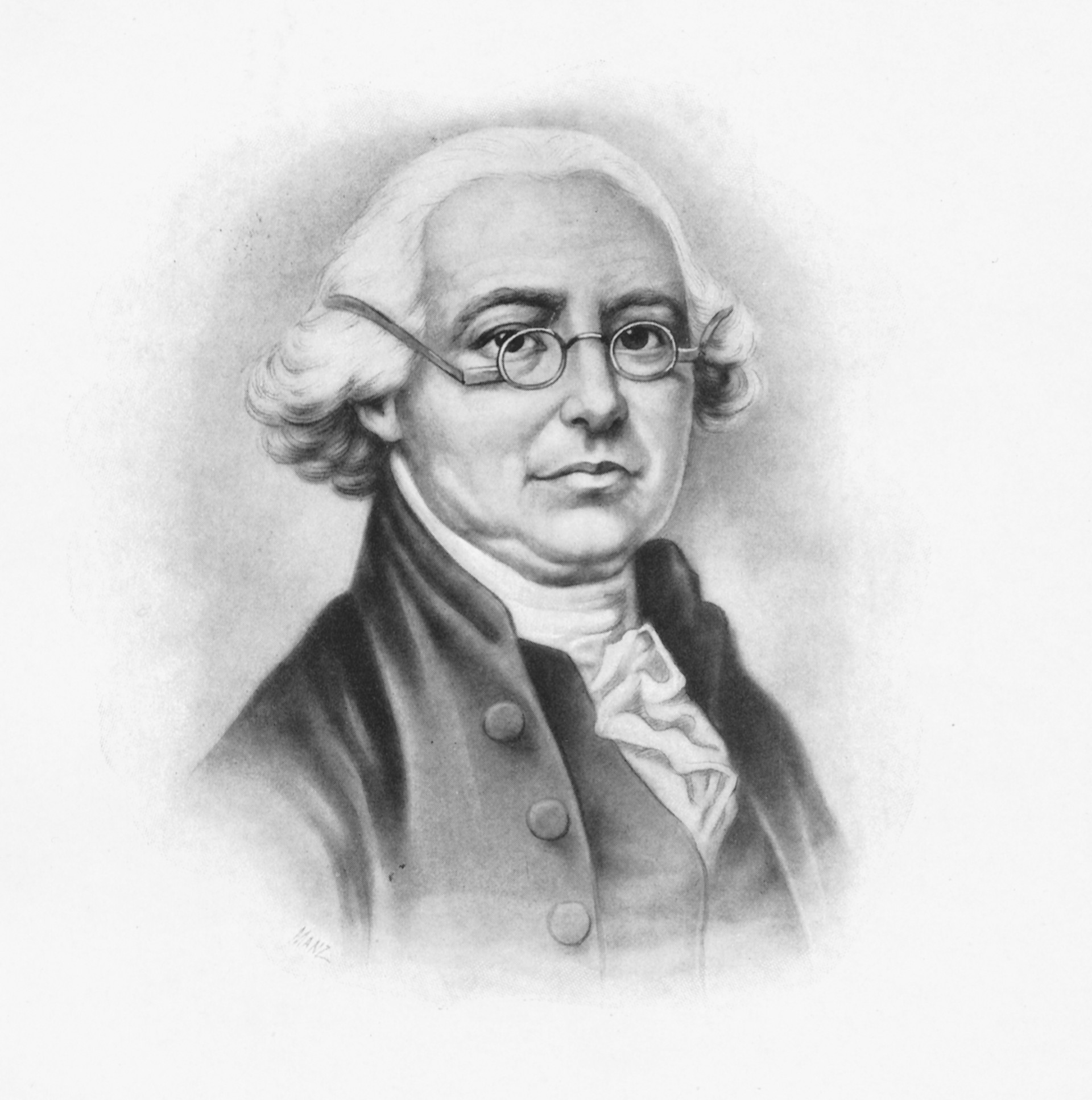
Although James Wilson signed both the Declaration of Independence and the U.S. Constitution, his name is rarely mentioned alongside other figures key to American history. Perhaps this is because while serving on the U.S. Supreme Court, the Pennsylvania man had stints in jail for unpaid debt. He succumbed to malaria in 1798, at age 55.
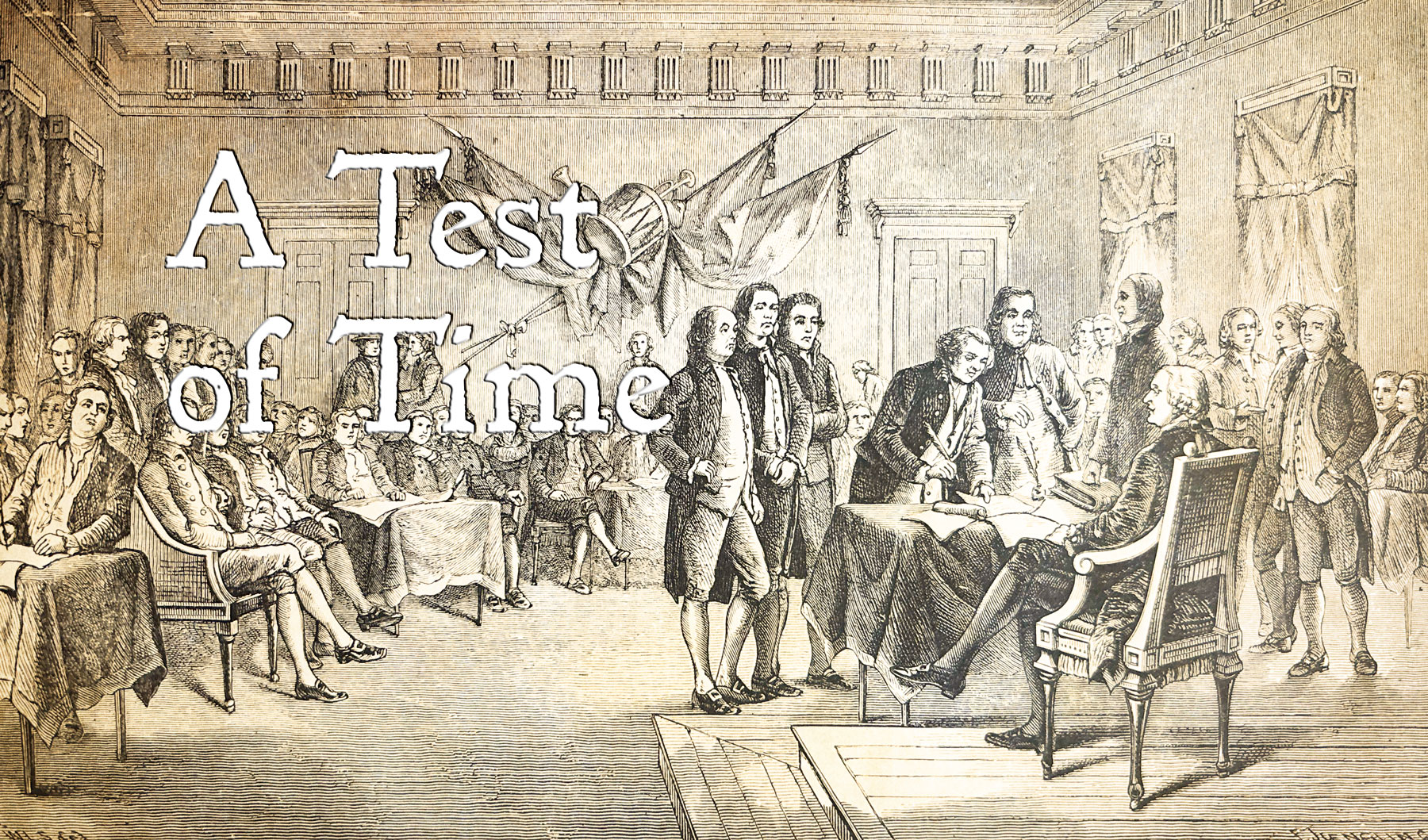
I worry that the many celebrations of the 250th anniversary of the Declaration of Independence will commemorate the historical moment but fail to appreciate the enduring meaning of the extraordinary statement approved on July 4, 1776. A reading of the Declaration of Independence reveals its ongoing relevance—indeed, especially for this particular time.
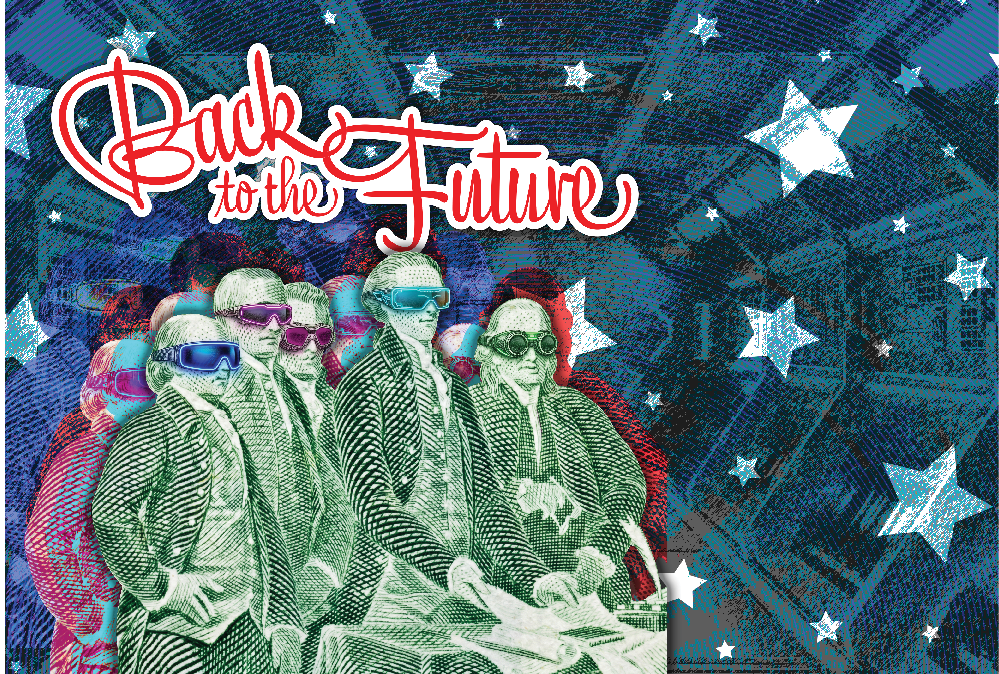
To mark the 250th anniversary of the signing of the Declaration of Independence, the ABA Journal traced the purpose and pedagogy of legal education throughout our nation’s history to gain insight on where we are now and where we might head. Can the future of best practices to educate lawyers and admit them to the bar be found in a close look at the past? Could early American educational methods offer a preview of what’s to come—and what to avoid—in legal education? And how can debates about the proper balance between academics and working with the practicing bar to provide quality legal education inform today’s and tomorrow’s standards?

Known as the “conscience” of the ABA, the Section of Civil Rights and Social Justice for 60 years has been only membership entity in the association that is solely devoted to civil rights, human rights, civil liberties and social justice. It fulfills its mission by promoting through advocacy and education a multitude of crucial issues, including racial equality, gender equity and LGBTQ+ rights.

Traditionally, menopause hasn’t been the subject of most work-related conversations or legislation trends, says Naomi R. Cahn, a professor at the University of Virginia School of Law who specializes in family law, feminist jurisprudence and reproductive technology. But with the success of the menstrual equity movement—which fought to normalize conversations around menstruation and increase access to tampons and other menstrual products—women’s health advocates and feminist legal experts like Cahn have turned their attention to menopause.
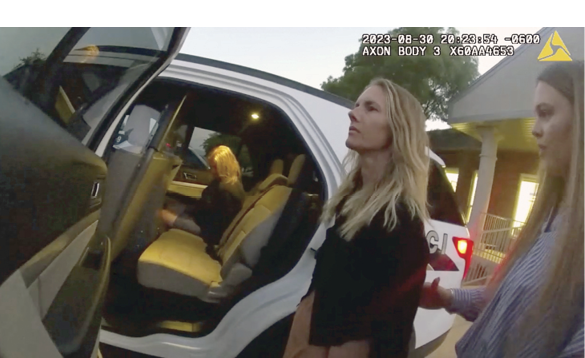
Children working as social media influencers, dubbed “kidfluencers,” can have millions of followers tracking them, their activities and the products they endorse. Top creators like Ryan Kaji, who with the help of his parents built a media empire through his YouTube channel, can make millions of dollars before they reach adulthood. But what happens if the parents or guardians are spending or mismanaging their children’s earnings?
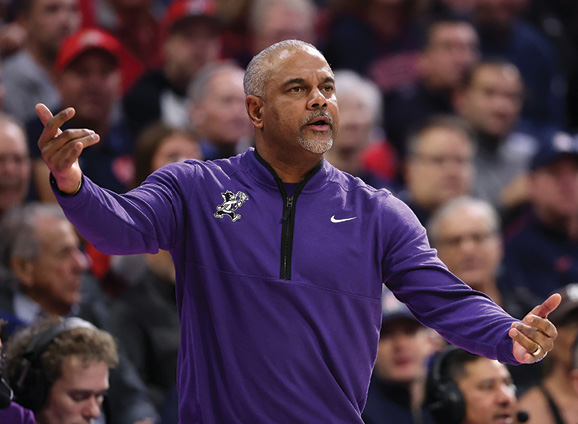
Kansas State University made waves in February when it fired head men’s basketball coach Jerome Tang for cause. Tang told reporters after his team’s 29-point home loss to the University of Cincinnati that he was “embarrassed for the university,” that the players “do not deserve to wear this uniform” and added that “there will be very few of them in it next year.”
The ABA has been celebrating the semiquincentennial of the signing of the Declaration of Independence in a number of the ways over the past few months, with programs, webinars, a traveling exhibit from the ABA Standing Committee on the Law Library of Congress and more.
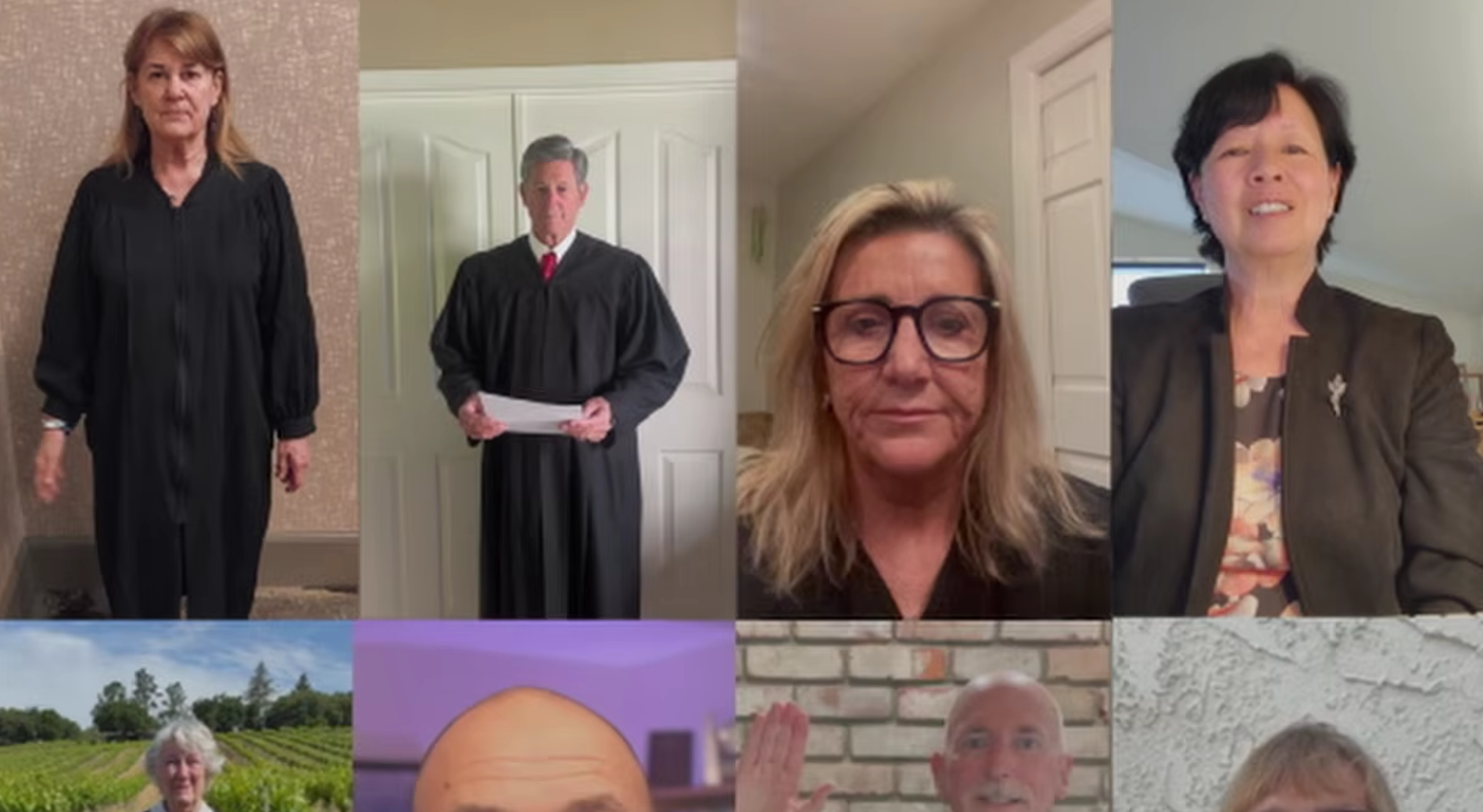
More than 100 retired California judges have joined together to create the “Wall of Justice,” a video in which they don their robes and renew their oaths of office in honor of America’s 250th anniversary.