Changing the requirements for a law license and supporting financial help for public-interest lawyering are among the ways that state supreme courts can help address “staggering” unmet legal needs, according to a study by a group of state chief justices and court administrators released Wednesday.
Studies depict lawyers as struggling under the stress of their jobs and lifestyles, weighed down by a host of mental health issues and uniquely positioned to experience feelings of isolation. In 2018, for example, the Harvard Business Review found that lawyers outranked engineers and research scientists when it came to loneliness.

“Other than public defense structures and payment for assigned counsel, I don’t think there’s been another issue that has galvanized the bar quite as much,” says Kyle O’Dowd, deputy director for the National Association of Criminal Defense Lawyers. Because of the stark racial and economic disparities in sentencing of crack versus powder cocaine, O’Dowd says, “it’s still a very lasting symbol of racism within the criminal justice system.”

In 2024, legislators unanimously passed the Maryland Kids Code, a law that requires tech companies to design online products and services in children’s best interests if it’s likely the age group will be accessing the offerings.
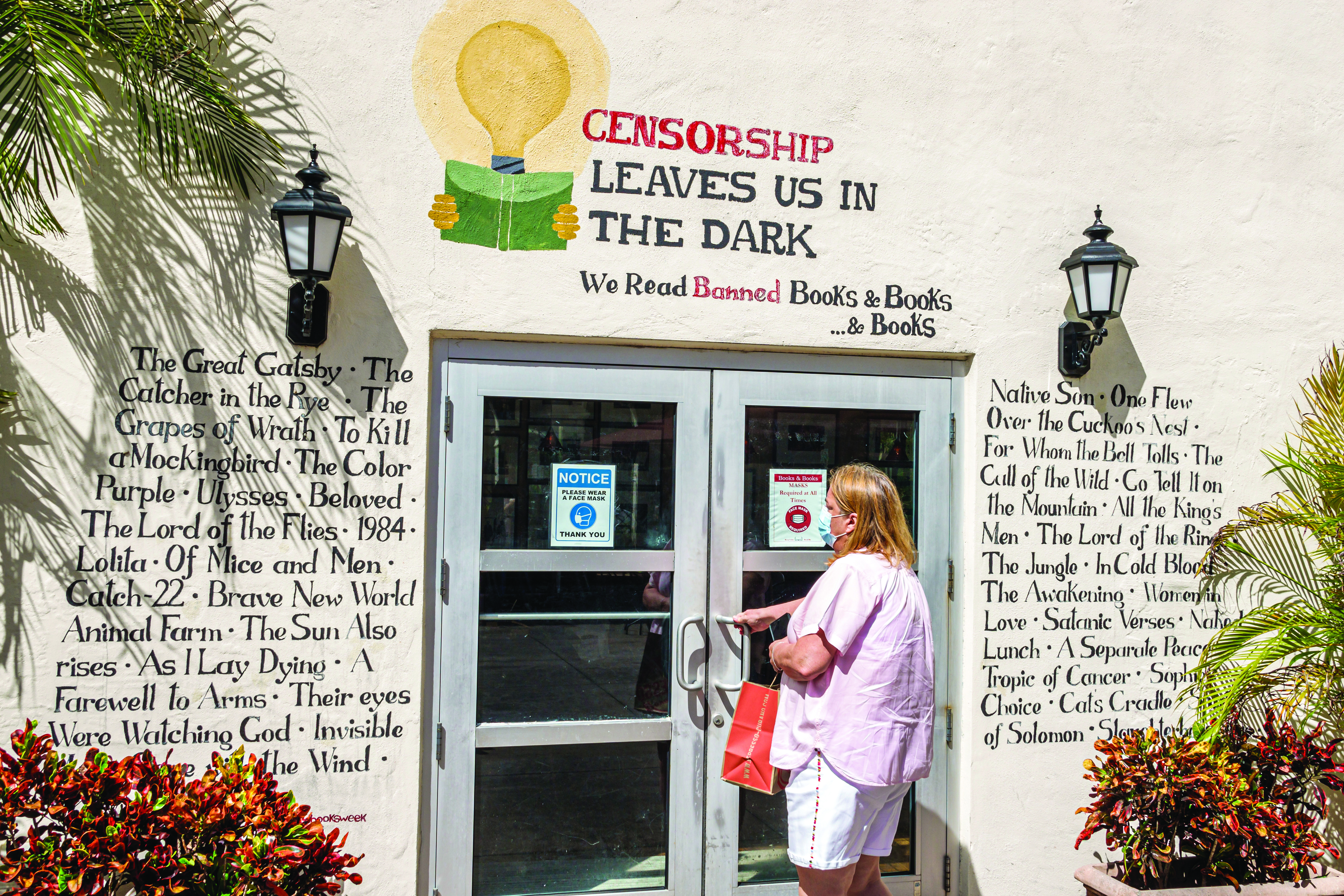
At least 130 state bills regarding the removal of books from public schools and libraries were introduced in the latest legislative session, according to the American Library Association. Anti-censorship groups and publishers are challenging various states’ bills in court.

“Something about gambling draws in certain types of lawyers,” Harry Levant says. But the same things that make them successful in the courtroom can turn against them with gambling and make them vulnerable to wins and losses, he notes.
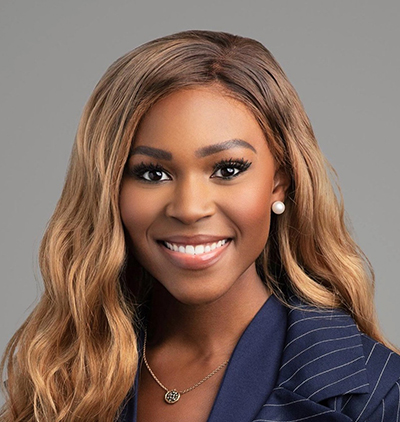
Updated: A Black female associate was “unceremoniously terminated” from McDermott Will & Emery after she complained about a “particularly harmful act of discrimination” in summer 2024, according to a July 30 lawsuit.

The U.S. Department of Justice is defending the validity of its decision to appoint Alina Habba as the acting U.S. attorney in New Jersey by first designating her as a “special attorney,” one of several efforts around the country to keep top prosecutor picks in place without U.S. Senate confirmation.

For attorneys, the move abroad can be tricky, depending on whether you’re planning on still practicing U.S. law overseas or whether you’d like to get admitted in a new country so you can practice that country’s law.

The Senate voted Tuesday night to confirm Emil Bove as a federal appeals court judge, ending a contentious confirmation for the top Justice Department official and former attorney for Donald Trump.