
It hardly makes sense to ask military members to make the ultimate sacrifice for our country—and then deprive them of access to legal services, says Pamela Stevenson, chair of the ABA Standing Committee on Legal Assistance for Military Personnel.

“You’re not trying to kick anybody out,” says Paulette Brown, who was the first Black woman to become ABA president. “You’re trying to have people understand that everyone has not been given the same basic tools that others have been given.”

The U.S. Supreme Court on Thursday declined to address a long-standing provision that protects technology companies from being held liable for third-party content posted on their platforms after ruling in a related case that Twitter had not aided and abetted a terror attack.

North Carolina Central University has appointed Patricia Timmons-Goodson, a retired North Carolina Supreme Court justice, as the dean of its law school.

U.S. Supreme Court Justice Elena Kagan complained in a dissent Thursday that a majority ruling by liberal colleague Justice Sonia Sotomayor had adopted a “posture of indifference” and left “in shambles” part of a fair-use test used in copyright cases.
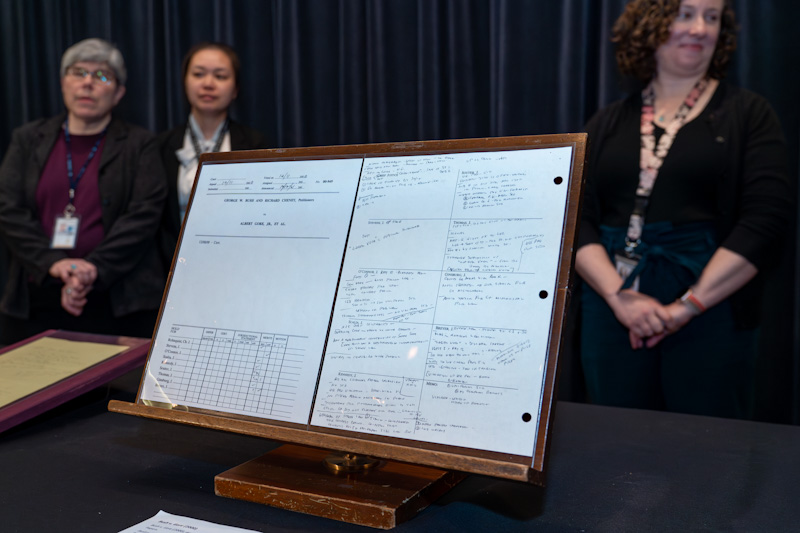
According to case files in the 741 manuscript boxes full of Justice John Paul Stevens’ papers newly opened to the public this month by the Library of Congress, Stevens had to take some extra strokes to preserve his tentative 7-2 majority in PGA Tour v. Martin and to keep it from being saddled with concurrences.

There are still plenty of questions surrounding the killing of a homeless man on a New York City subway May 1. The Manhattan district attorney’s office in New York has filed second-degree manslaughter charges against 24-year-old Marine veteran Daniel Penny, but the debate continues over the delayed response by police and prosecutors.
A new generation of civil rights lawyers is being trained and deployed to fight racial injustice and inequity across the South, thanks to a program started in 2021 through a $40 million donation to the NAACP Legal Defense and Educational Fund.
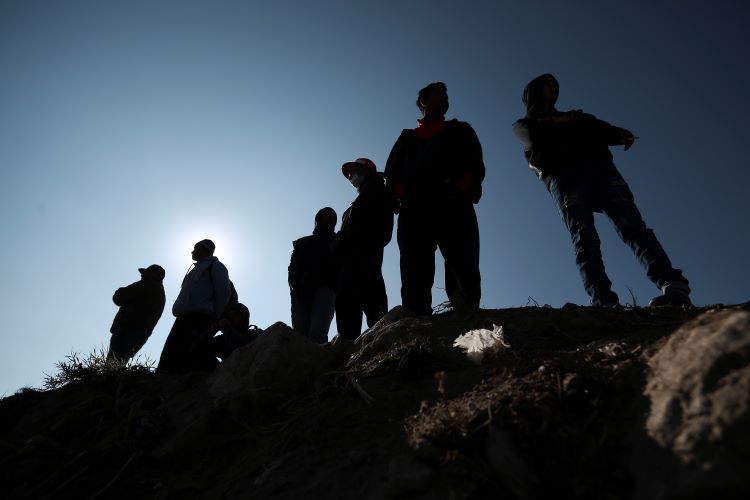
A federal policy used to expel migrants expired May 11, when the COVID-19 pandemic public health emergency ended. The government’s authority to invoke the public health policy had been used to expel migrants without evaluating their potential asylum claims. Legal analysts are now turning their attention to the longer-term influence of the policy and potential precedents.

The U.S. Supreme Court on Monday agreed to decide whether individual lawmakers have standing to sue a U.S. agency for information on the lease of the Old Post Office building to a Trump-owned business. The General Services Administration had leased the Old Post Office in 2013 to a business owned by Donald Trump and his children. The agreement specifically barred any elected official from participating in or benefiting from the lease.