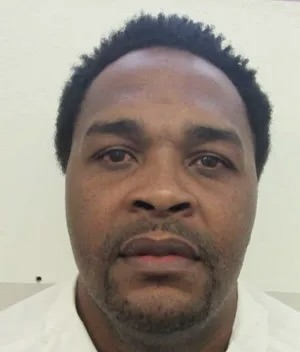
Most, though not all, death penalty defendants seek 11th-hour relief that reaches the Supreme Court on its emergency docket. The justices deny almost all of those applications, usually without dissent. But last week, the court provided a rare win to a death row inmate by rejecting Alabama’s emergency request to allow it to execute convicted murderer Jeffery Lee by nitrogen hypoxia.
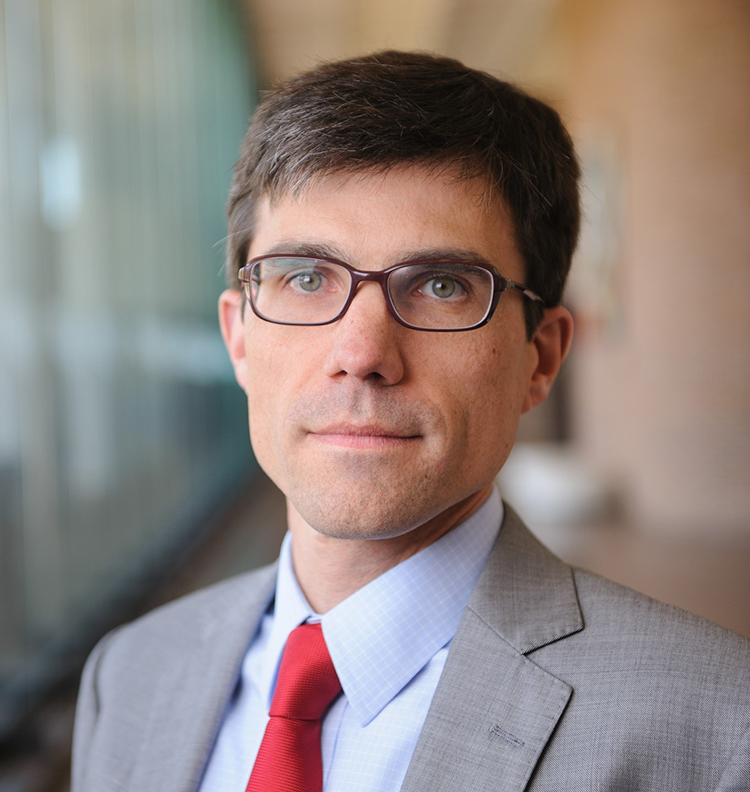
The most dangerous moments of Fredrick Vars’ life guided his career path. Just days after he’d won his first jury trial representing a union member suing the union for retaliation, he experienced his first psychotic episode. Though he had dealt with depression much of his life, he’d later be diagnosed with bipolar disorder.

Fake, defamatory images of people are among the many complaints about generative artificial intelligence, and celebrities are fighting back by copyrighting their images, sending takedown notices and filing lawsuits.

As recruitment for the prized BigLaw summer associate positions has moved up, often to the first year of law school, it’s having an impact on law students—and it’s not good.

Updated: As 10 jurisdictions prepare to be the first wave to administer the NextGen Uniform Bar Exam next month, some law school administrators are scrambling to fill the gaps in test prep materials and remain concerned about the portability of the new skills-based test from the National Conference of Bar Examiners.

Amid the proliferation of cases involving artificial intelligence-generated hallucinations, more judges are expressing frustration not only at the attorneys who make the mistakes but at opposing counsel for not pointing it out.
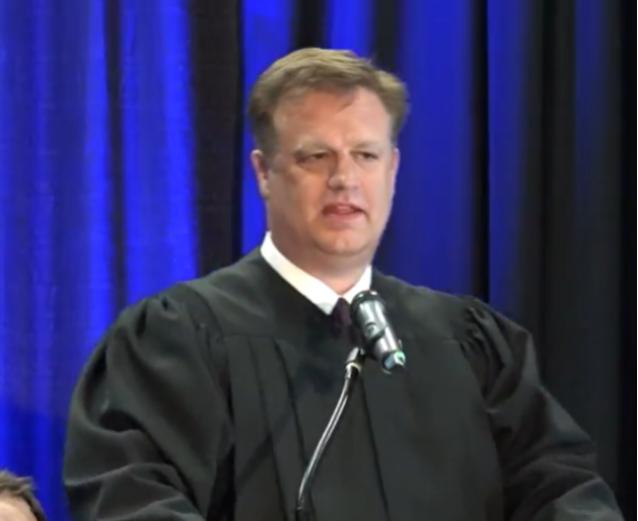
Updated: Judge Ryan Douglas Nelson, who sits on the 9th U.S. Circuit Court of Appeals at San Francisco, was charged in April with misdemeanor battery and property damage.

Litigators know they need to preserve the record during court hearings, depositions or trial. And they’re aware that they generally can’t raise an objection for the first time on appeal. But still, even the most experienced lawyers hesitate on how much to object and how far to go when advocating for their clients, particularly when judges appear to lose their patience.
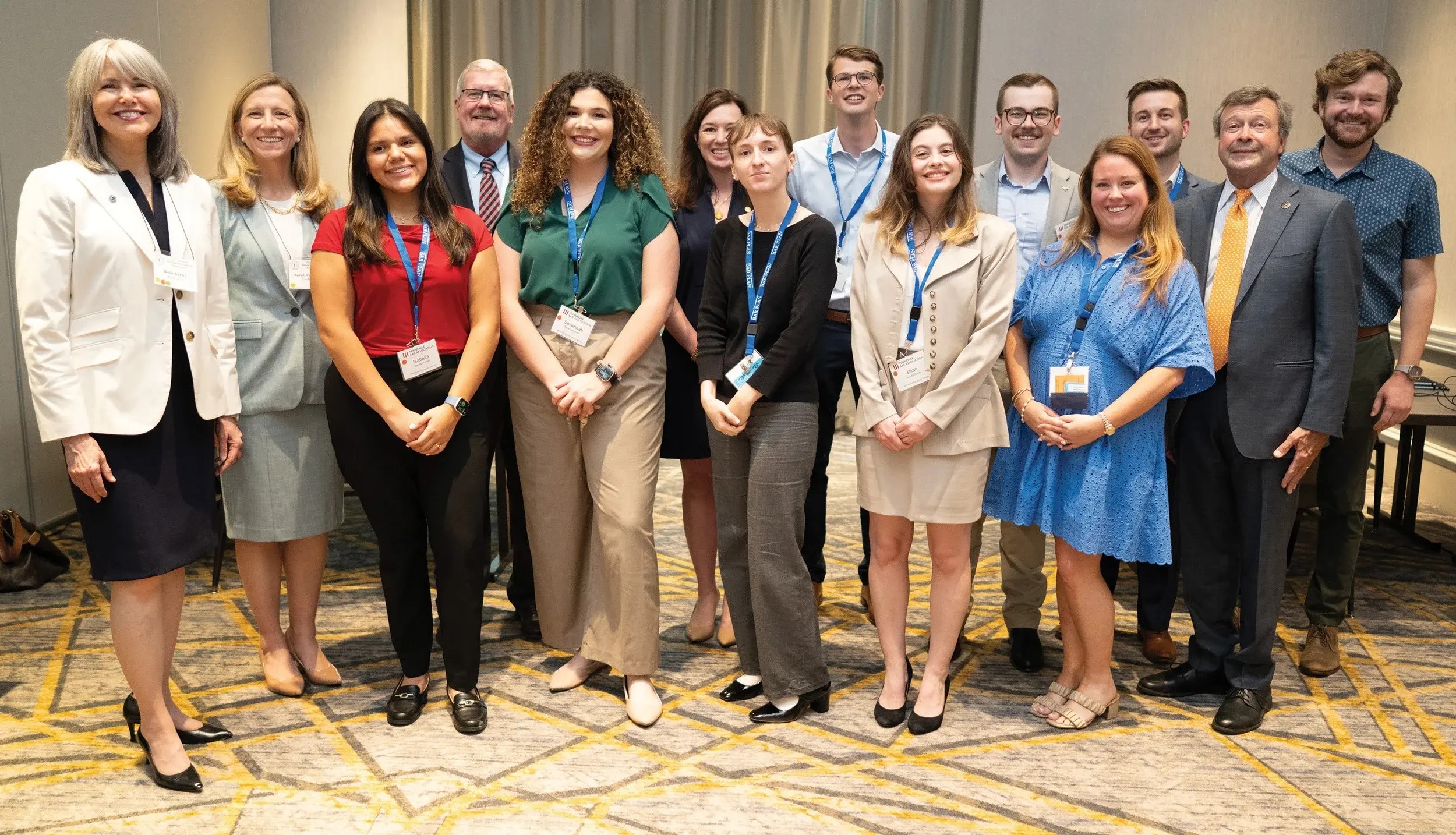
At the start of her career, Alix Rogers worked in a small firm in Lewisburg, Tennessee, a rural town about 60 miles south of Nashville. As a generalist, she handled family law, estate planning and civil litigation matters, and she quickly discovered that a rural practice was both challenging and rewarding.