A case between a Chinese American scientist and the federal government has ensnared former Fox News reporter Catherine Herridge and threatens to set precedent that would chip away at the ability of journalists to protect their anonymous sources, free speech advocates say.
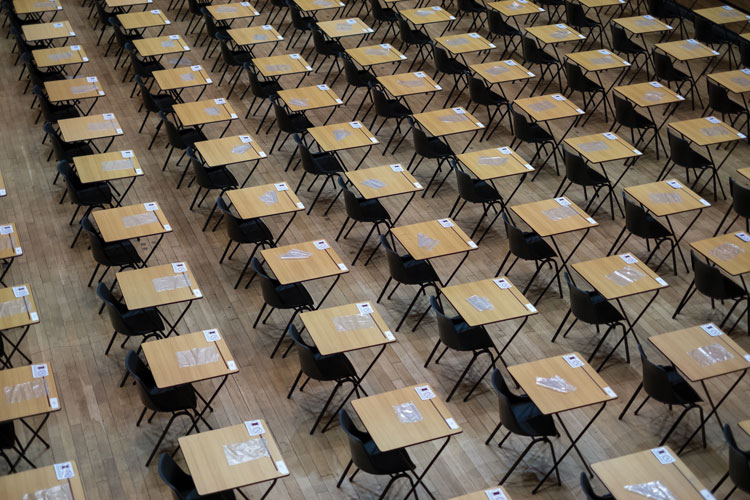
The national mean score for the February 2026 Multistate Bar Examination inched up to 131.2—up 0.4 points compared to the February 2025 mean of 130.8—helped by the return of Californians’ scores to the national pool, according to new data from the National Conference of Bar Examiners.
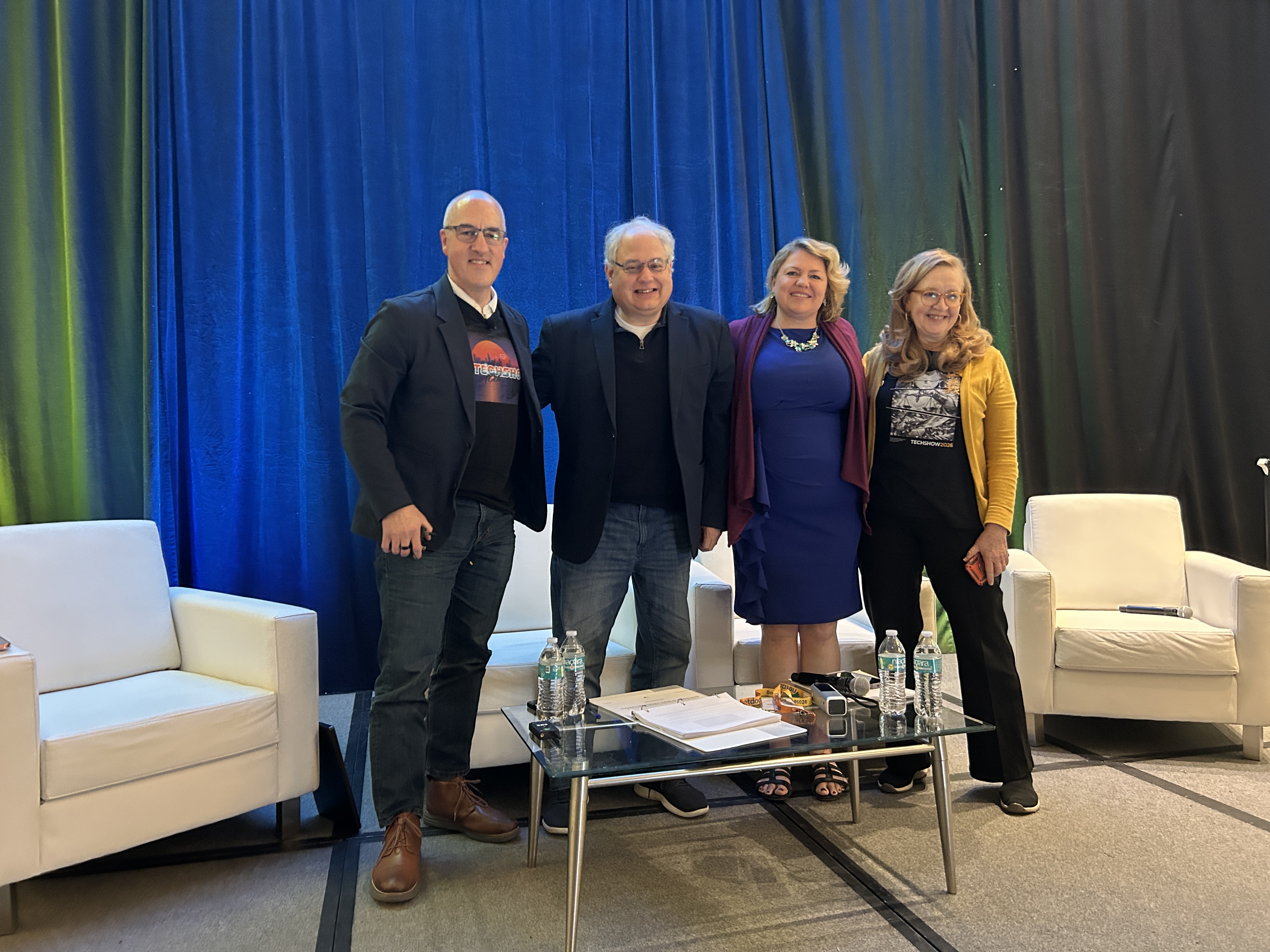
What busy lawyers wouldn’t want apps and advice that improve both their personal and professional lives? That was a common theme during “60 in 60,” the final fast-paced event at ABA Techshow on Saturday that featured the latest tips, technologies and tools in 60 minutes or less.

During a wide-ranging panel discussion Saturday morning at ABA Techshow, the past, current and future ABA presidents strongly defended the rule of law and encouraged lawyers throughout the country to speak out in order to protect it.

Nilay Patel believes artificial intelligence has the power to change society in ways not seen since the advent of the smartphone. “The smartphone changed so many things, so fast,” said Patel, the co-founder and editor-in-chief of The Verge, the technology and culture site from Vox Media, who delivered the second keynote address Friday for ABA Techshow, pointing out that smartphones created so many winners and losers and “there is a real hunger to see that level of change again, to create that opportunity one more time. And now there is AI, and I think we can feel that pressure,” added Patel, who also is a former lawyer.

The sophistication of technology and prevalence of electronic data can make it easier than ever for litigators to fight on behalf of their client. But it could also lead to more headaches and problems, according to speakers at ABA Techshow Friday.

Smart eyeglasses and pendants. Vision Pro panoramas. Immersive cameras. All are part of the future of legal technology—and it looks bright. That’s according to Sean Harrington, director of the AI and Legal Tech Studio at Arizona State University College of Law, and Jeff Richardson, an appellate litigator in the New Orleans office of Adams & Reese and creator of the iPhone JD website.

Cases involving lawyers who introduced artificial intelligence-generated mistakes are popping up all over the country. In Judge Roy B. Ferguson’s experience in the 394th Judicial District Court of Texas, he’s had lawyers read what they say is a state statute from their phones, but “it’s wrong, just flat wrong.”

How can lawyers prove evidence is authentic amid the rise of deepfakes created or enhanced by artificial intelligence? That was the focus of an afternoon session at the ABA Techshow on Thursday.
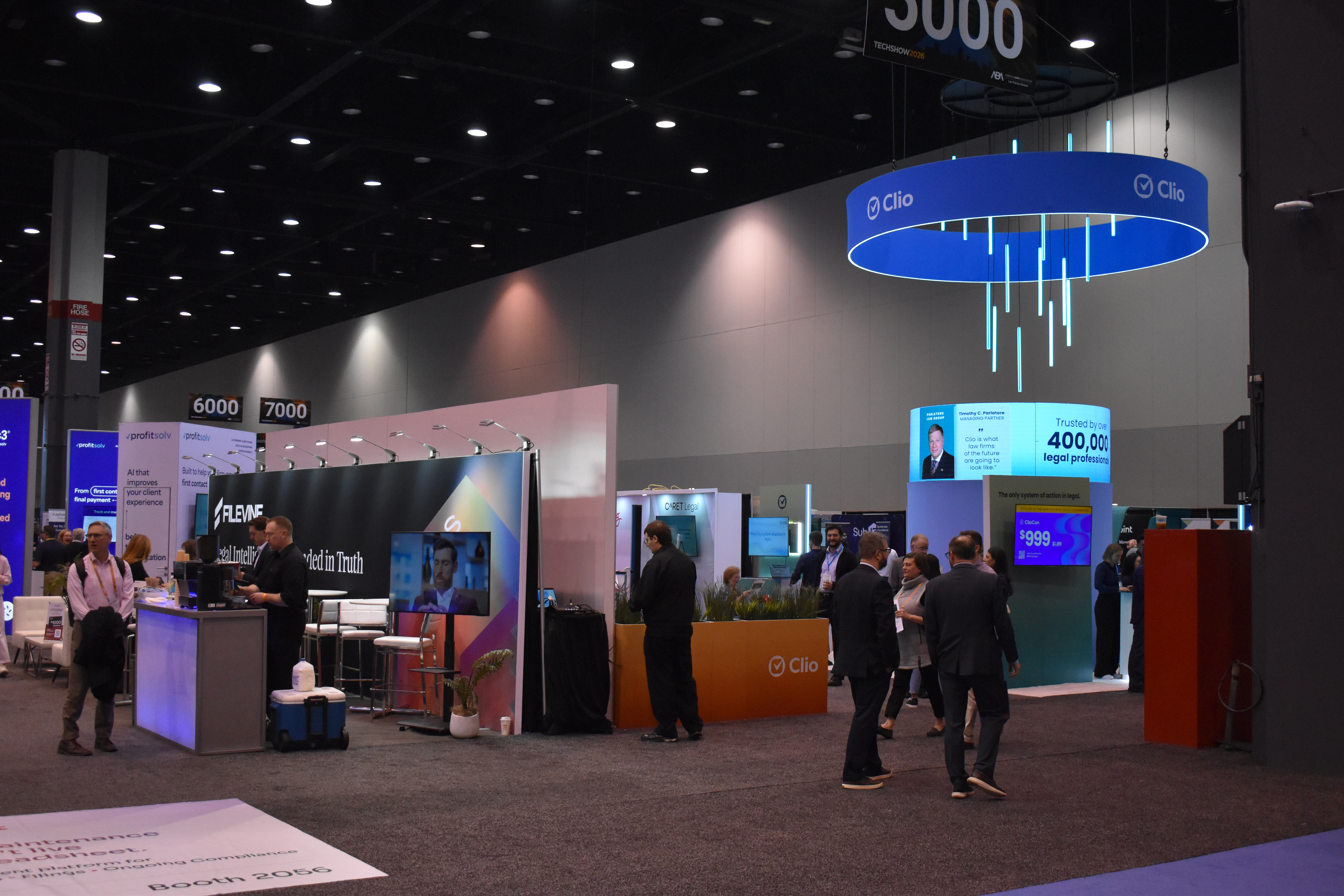
For a lot of attendees of this year’s ABA Techshow, the goal isn’t just to learn about generative artificial intelligence but to delve deeper into what these tools are doing now.