
When Nina Olson retired from the Internal Revenue Service in 2019, she knew her work wasn’t finished. “I kept saying, ‘I’m privileged and lucky to have been in the IRS for 18 years, and to have a sense of how the IRS works,’” she says. “I needed to share it in some way.” That same year, Olson started the Center for Taxpayer Rights.

Retired U.S. Supreme Court Justice Stephen Breyer makes his case in Reading the Constitution: Why I Chose Pragmatism, Not Textualism, scheduled for release on Tuesday. After 40-plus years as a judge, Breyer’s book is a logical capstone. “For better or for worse, it might be helpful to put down my approach how I go about interpreting difficult phrases, the Constitution or statutes.”

Next week, a case about federal regulation of the primary drug used in medication abortions will be taken up by the justices, returning a major issue in the abortion debate to them perhaps sooner than they would have wished.

An ethics opinion released Wednesday by the ABA’s Standing Committee on Ethics and Professional Responsibility addresses what constitutes “reasonable measures” personally disqualified lawyers can take to ensure that the conflicts of interest are not imputed to their law firms.
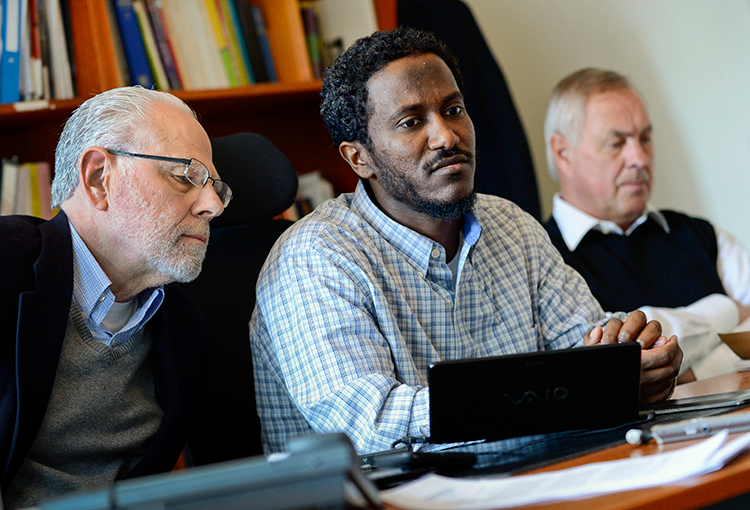
An Oregon man’s challenge to his placement on the no-fly list did not become moot after the government lifted the ban on flying, the U.S. Supreme Court ruled Tuesday in a unanimous opinion.

Chanel Miller, whose victim impact statement at the rape trial of Brock Allen Turner went viral in 2016, will present about the importance of survivors’ stories at an ABA event on April 16.

The billable hour has long been the subject of much debate. Whether you love it or hate it, the billable hour could face an existential crisis, thanks to the rapid introduction of generative artificial intelligence tools.

Western Michigan University’s Thomas M. Cooley Law School had the lowest two-year bar passage rate for 2021 graduates among ABA-accredited law schools, according to data released Monday by the ABA Section of Legal Education and Admissions to the Bar.

In Her Story: The Resilient Woman Lawyer’s Guide to Conquering Obstacles, three women co-edited a compilation of first-person essays written by women sharing their thoughts, challenges and experiences in the legal field. One of the co-editors, a former president of the National Conference of Women’s Bar Associations, spoke with the ABA Journal.

A federal judge in Texas appeared exasperated with government lawyers when he ruled that the U.S. Department of Commerce’s Minority Business Development Agency unconstitutionally denies benefits based on race.