Are you lying? Deception detection expert shares ways to decipher cues



Pamela Meyer has made a career out of spotting deception and observing human behavior. Her business, Calibrate Inc., helps decision-makers recognize hidden signals, improve security awareness and build trust.
In her book, How to Read the Room: The Art and Science of Social Observation, Meyer goes beyond deception to examine common mistakes that can trip people up in all sorts of everyday life interactions.
The ABA Journal spoke with Meyer about her newest book and what lawyers can take away from it.
You mention people from all walks of life in your book. How do lawyers do when it comes to reading the room?
Lawyers are pretty good at reading the room, particularly the ones dealing with the theater of the courtroom, because that’s part of their job. But lawyers can also get really tripped up. One of the problems with lawyers is they come in loaded with arguments and facts and objectives, and often they’re so overloaded with all that that they forget to pause and watch. They may be very preoccupied with what argument they’re going to make and what they’re going to say. If you’re sitting across the table from somebody, and you have open body language, it makes you a better room-reader.
One of your more interesting stories deals with judges and that their appetite can influence how they handle a parole request. Tell us about that.
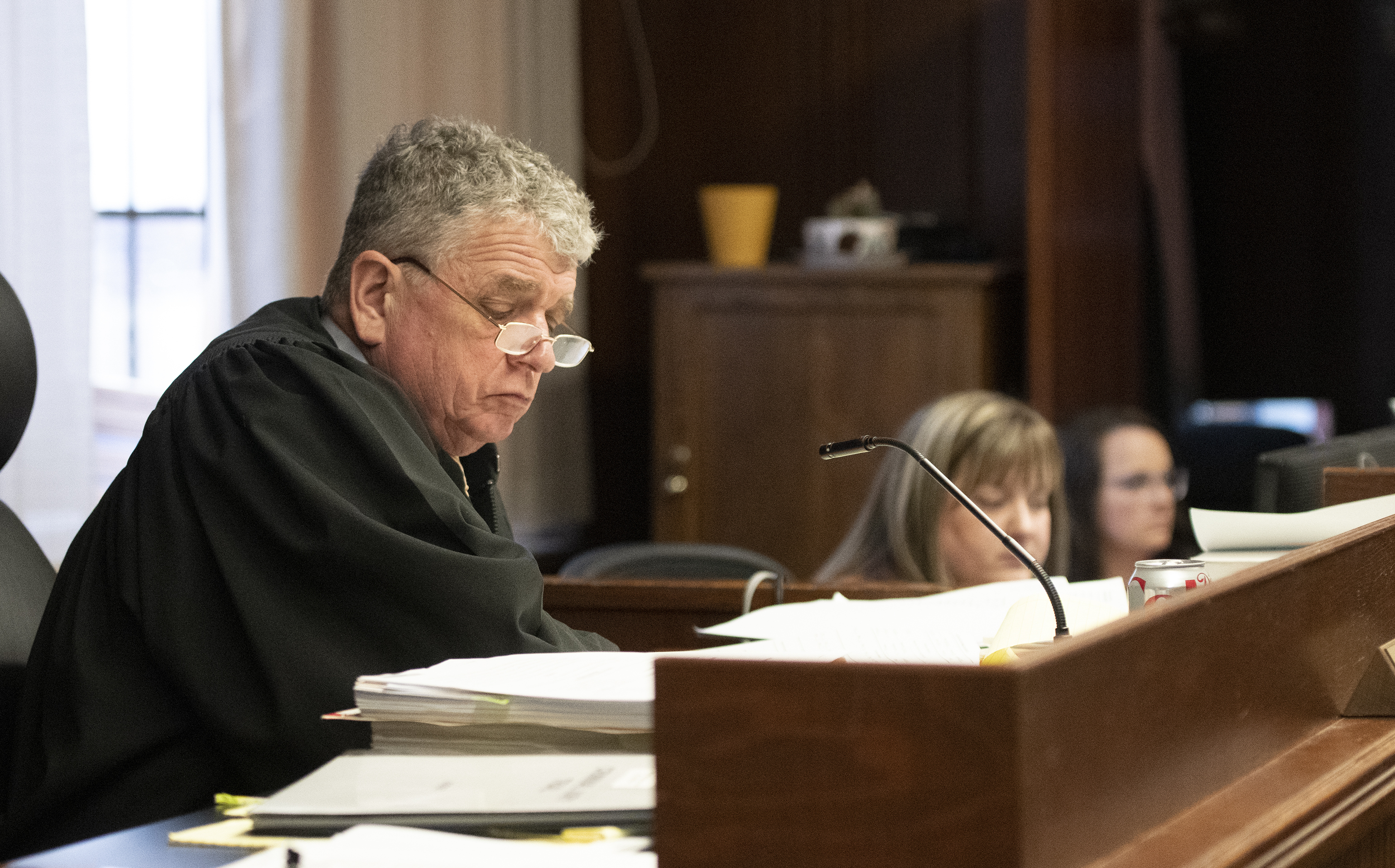
It’s the old joke about a case comes down to what the judge ate for breakfast. They [the judges] were in Israel, but it’s an interesting finding nonetheless. Their baseline after they had a nice breakfast was about 65% granting parole. Then they get to lunch hungry, it goes to zero. They have lunch, it goes back up to 65%. And there’s a bunch of other studies in the book—people were sitting in harder chairs, and they were less flexible in their negotiation. They drank a bitter drink, and they saw the people across the table more morally distasteful. We can be influenced by our own blind spots.

Do you have tips for lawyers when they negotiate, in terms of reading the person across the table?
If you’re in a financial type of negotiation, oftentimes what’ll happen is lawyers get very focused on either who names the number first or naming the number. The more important thing is after a number is named, right? Stop talking. And when you see someone’s eyes doing a sort of quiet math, at least you’ve got traction. If someone’s just blindly reacting without any real calculation on their face, you’re not getting the right traction in your negotiation. If you’re in a dealmaking situation, it’s important to note when people give ground very fast on terms. Usually those are the ones that don’t matter to them. That’s where they’re getting the most generous. So look for those signals of when they’re fighting hard versus when they are giving ground.
You also discuss how people sometimes misread body language. Can you give some examples?
We call it the “crossed-arms problem.” In a meeting, somebody’s crossed their arms, and we think it means defensiveness. But it could be they’re trying to comfort themselves, or they’re cold, or it’s their habit. One of the biggest issues with body language is we’re not told how to read it properly. It’s not like ‘oh, your eyebrow twitched, that means you’re lying.’ That isn’t the way it works. We think fidgeting signals deception. We think touching your face means you’re lying. And that’s not necessarily the case at all. You really have to have a much more nuanced take on it.
What else would you like people to take away from the book?
If you want to dial down conflict, ask people an open-ended question that gives them an opportunity to tell you more but doesn’t confront them directly. “What am I missing here?” “What’s the pettiest thing that’s bothering you about this case, about this merger, about this deal?” “Is there anything else I need to know about this?” When you ask it that way, what you’re saying is “I’m not going to judge you.” Also, people do this a lot on Zoom, and it’s very useful: You can basically say, “I noticed Susan hasn’t said anything. Susan, is there anything you want to add?” So you can shift the focus to another person … to defuse the conflict without wagging your finger at everybody else, which doesn’t move you towards a more positive resolution.
Write a letter to the editor, share a story tip or update, or report an error.