

A recent lawsuit alleging a gang rape took place at a Cornell University off-campus fraternity house has raised concerns about Greek life culture, but lawyers who represent Greek-letter organizations say that if the behavior occurred, it was carried out by individuals, not the organizations.
Attorneys who work with fraternities and sororities point to the benefits of Greek life, including community building, leadership opportunities and philanthropic efforts. But critics argue that fraternities and sororities need to tackle embedded cultural issues as well as problems with internal governance.
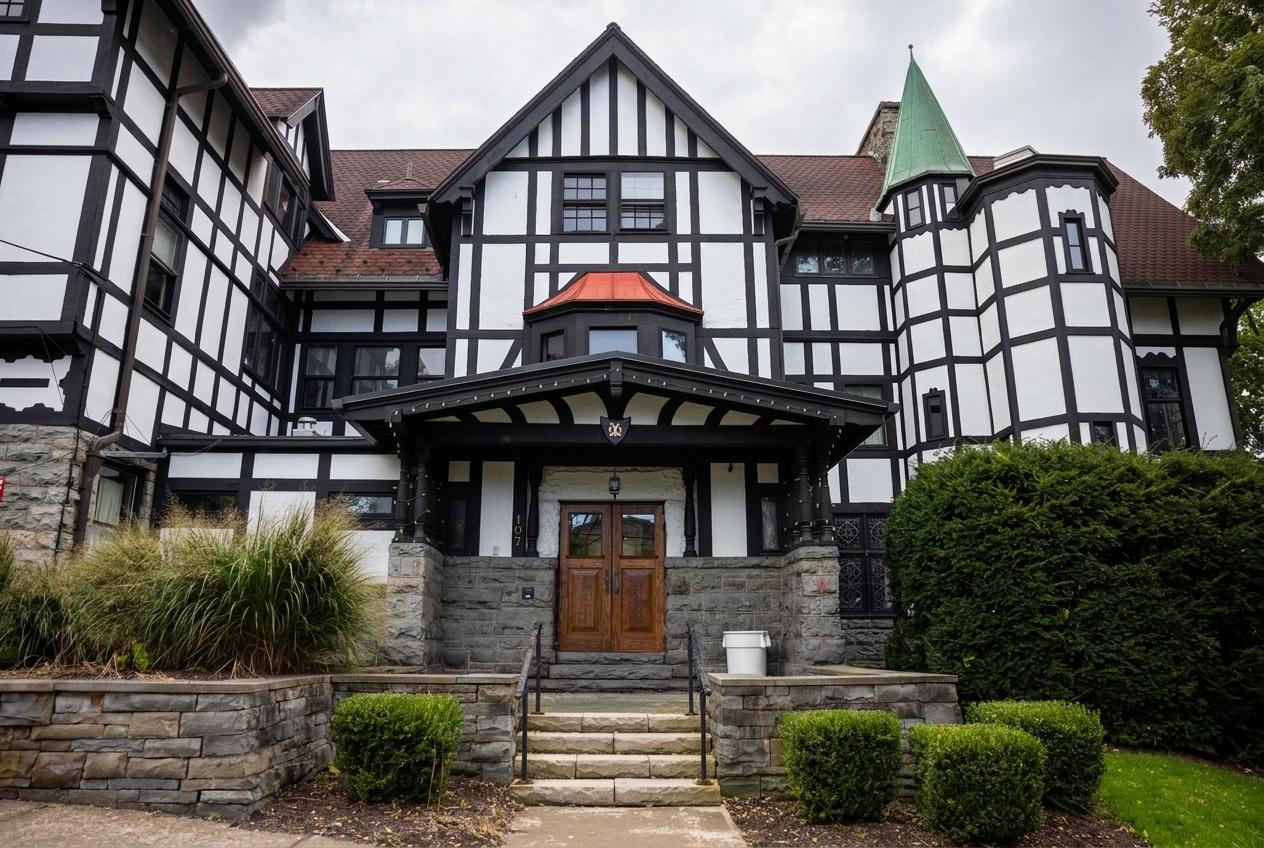
The Cornell lawsuit, filed in New York state court, alleges that in 2024, the plaintiff, who is not identified by name, was drugged and gang-raped at the university’s Chi Phi Fraternity chapter house. Besides Cornell, the fraternity and the plaintiff’s sorority, Delta Delta Delta, individual Chi Phi members are among the named defendants. As of October, none of the named defendants have been criminally charged. The Chi Phi chapter was closed in 2024 and remains barred from the university, according to a Cornell FAQ sheet.
Trey Robb, interim executive director of Chi Phi Fraternity, said in a statement the fraternity “condemns sexual assault and drug and alcohol abuse in the strongest possible terms.”
Art F. Hoge, III, who has counseled Greek-letter organizations for more than 30 years, says that the allegations “assert reprehensible acts” by seven members of a fraternity chapter. It’s important to remember, he adds, that the allegations and facts “do not show a chapter event, an activity approved or ratified by the chapter or a violation by the chapter of any code of a conduct with respect to the alleged acts as they were taking place.”
“The challenges in this case will be continuing adverse publicity for Chi Phi Fraternity emanating from what appear to be acts of individuals who were members of the fraternity,” says Hoge, a shareholder in Hall Estill’s Oklahoma City office.
There are an estimated 750,000 undergraduates involved in fraternities and sororities in the U.S., according to The Hill. The North American Interfraternity Conference, a trade group that represents men’s social fraternities, says that participation in Greek life allows for deeper college engagement, academic and mental health support, as well as opportunities for volunteering and other philanthropic activities.
Another organization, the National Pan-Hellenic Council, works with historically Black fraternities and sororities and collaborates on service, scholarship, leadership and collective action, according to its website.

“The benefits of fraternities and sororities are ideally friendship for life and, in theory, a sense of high ideals and values that should guide an individual,” says Gregory Parks, a law professor at Wake Forest University School of Law who studies Greek-letter organizations and culture. According to him, the groups have long-standing issues that need to be addressed, such as hazing, sexual assault and alcohol abuse.
However, the organizations are “mostly not ready to do what would stretch them and be uncomfortable but would be necessary to change the culture,” Parks adds.
Parks, a member of the Alpha Phi Alpha fraternity, sued the organization this year over allegations of election interference and fiduciary breaches.
Sean P. Callan, a lawyer in the Cincinnati office of Manley Burke, advises Greek-letter organizations on employment and tax law, real estate management and other issues, including disability accommodations. He says the groups are “trying to deliver a service to support men and women during a transformative time in their lives” and, for the most part, provide that service well.
The organizations “can get a bad reputation because of high-profile events that occur, but the vast, vast majority of students in fraternities and sororities” have “valuable, positive experiences,” Callan says.
“Not every guy with a boat is a pirate,” he adds.
Elizabeth Abdnour, a partner at the East Lansing, Michigan, office of Abdnour Weiker, represents students in higher education disciplinary hearings. She also worked as an internal investigator and administrator at Michigan State University, and says that the “male bro culture” at fraternities can lead to issues like sexual assault and abusive hazing.

Universities can be doing bystander and anti-hazing education training, she says, but if a culture is based on hazing and “talking in disparaging ways about women,” the threat of social isolation can lead to fraternity members “feeling like they will no longer be welcomed as part of the group if they engage in bystander intervention.”
The Stop Campus Hazing Act, signed into law by President Joe Biden in 2024, requires that higher education institutions receiving federal aid publish statistics about hazing incidents as part of an effort to have a national dataset to track their prevalence. In addition, colleges and universities receiving aid must implement campuswide education and prevention programs addressing hazing.
Still, recent incidents have highlighted issues within Greek life, including hazing and alcohol abuse.
In September, Carter Eslick, the former pledge master of the Delta Tau Delta fraternity chapter at Northern Arizona University, was sentenced to 60 days in jail after pleading guilty to felony hazing. The guilty plea came after an investigation into the death of Colin Daniel Martinez from alcohol poisoning. Martinez had been taking part in a rush event for pledges in January.
Also, current and former Penn State University students associated with two fraternities, as well as the attorney father of one of the students, were arrested in August and charged in connection with an alleged cocaine-trafficking ring. Fraternity pledges at the Delta Upsilon and Sigma Chi chapter houses cut and packaged cocaine for distribution, according to the Pennsylvania Office of Attorney General.
And in July, a Secret Service agent based in Florida was arrested in connection with an alleged hazing incident involving students seeking membership in the Kappa Alpha Psi fraternity at the University of Miami. Authorities say the hazing involved prolonged and repeated beatings with canes and paddles. Two victims were hospitalized, according to news reports.
Most national or international headquarters for fraternities and sororities have general counsels and may work with additional lawyers to help with legal issues including insurance, asset management, corporate governance, risk management and employment contracts. The organizations also have a governing board of directors that can expel members and revoke a chapter’s charter. In many cases, local fraternities and sororities chapters operate essentially as franchises, with the headquarters providing oversight, resources and infrastructure.
According to Parks, leadership at Greek-letter organizations can get caught up in discussing specific liability issues so that “there’s not a lot of time to discuss other issues, like addressing the broader needs of the organization.”
And too often, he says, leadership at Greek-letter organizations is made up of individuals who have “come up” in the institution. If the organizations want to “change hearts and minds” of all members, he adds, they “need a set of leaders who think in a fundamentally different way,” including within the chapters.
“You want change? Pick a leader who isn’t an insider,” Parks says.








