Ed McDonald was only joking around when he suggested he play the part of himself in Goodfellas.
The federal prosecutor who turned Henry Hill—a street-level mobster whose life of crime is portrayed in the 1990 Martin Scorsese movie—into an informant was speaking to the filmmaker’s assistant. She had come to his Brooklyn office to borrow his diplomas and family photos for their use in a scene.
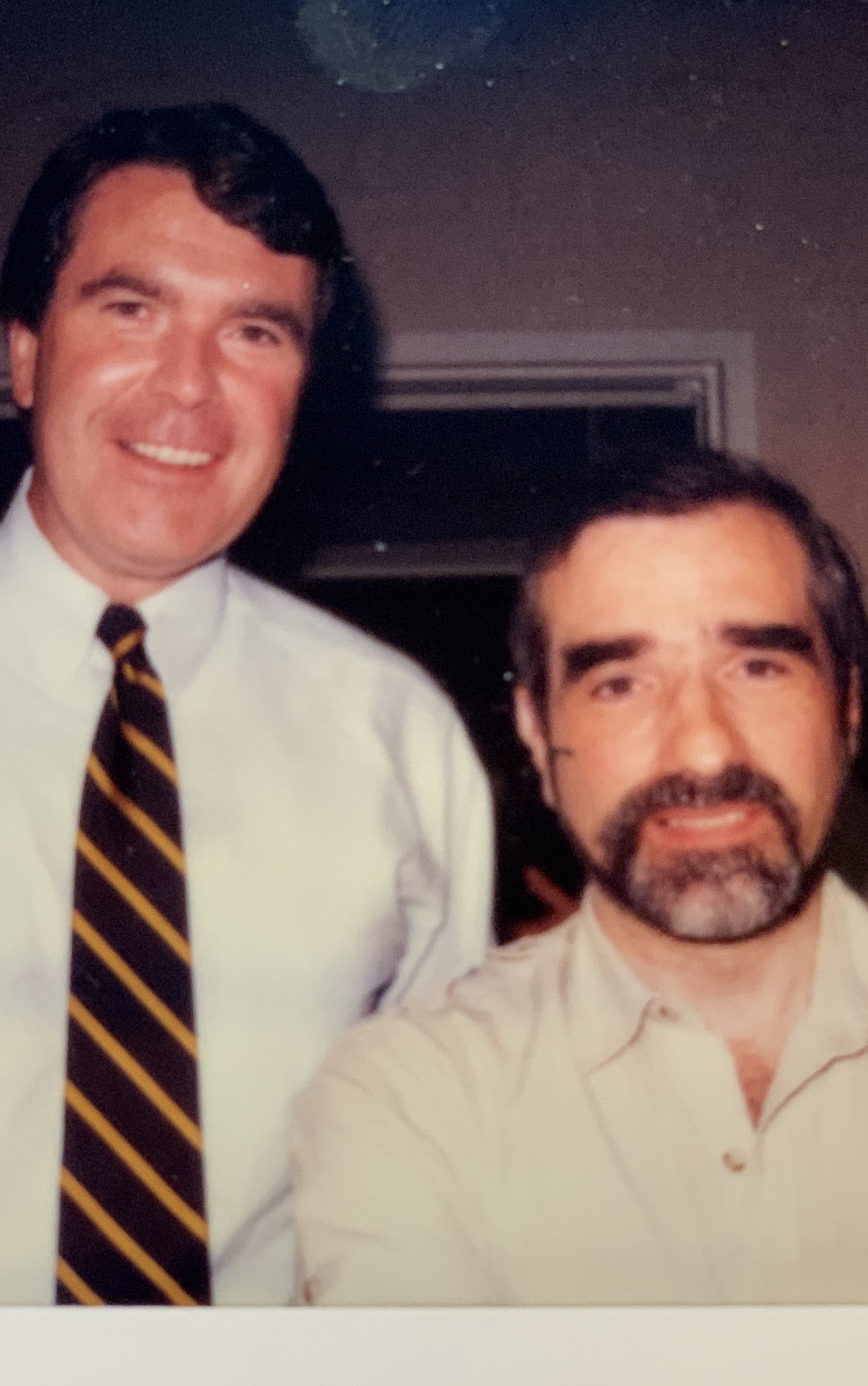
When McDonald heard that his role had not yet been cast, he kiddingly offered his services, promising he’d “be great.” But the young woman didn’t think he was joking and passed his proposal to her boss.
McDonald was brought in to meet Scorsese and got a screen test. Before even saying hello, the acclaimed director began, “I didn’t do nothin', Mr. Prosecutor, I didn’t do nothin'.” McDonald played along, calling Scorsese a “mook,” a term from his 1973 film Mean Streets. He got the part.
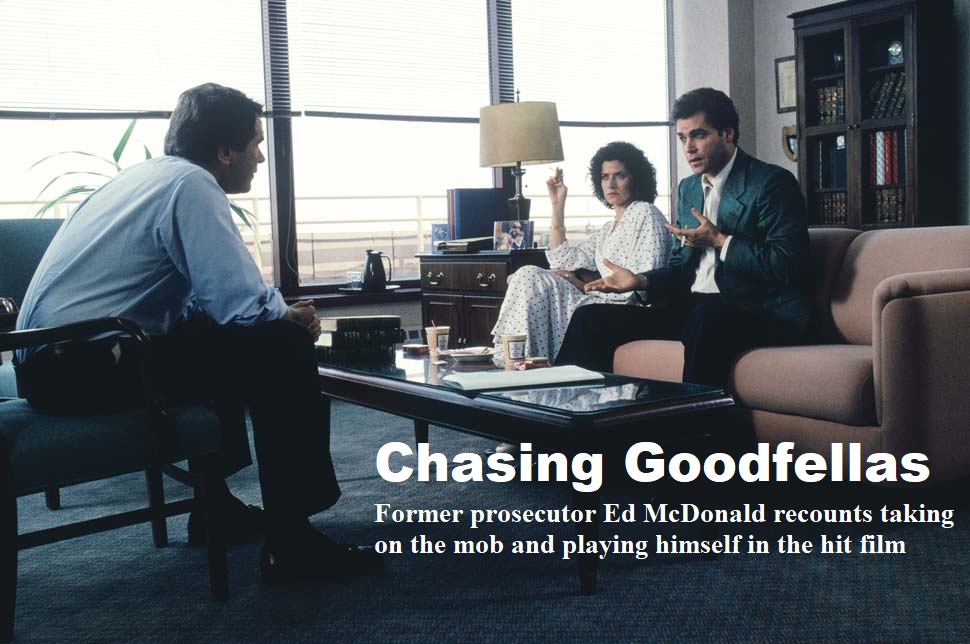
Fans of Goodfellas will recall McDonald in his office, sitting across from actors Ray Liotta and Lorraine Bracco, as he explained the witness protection program to Hill and his wife Karen.
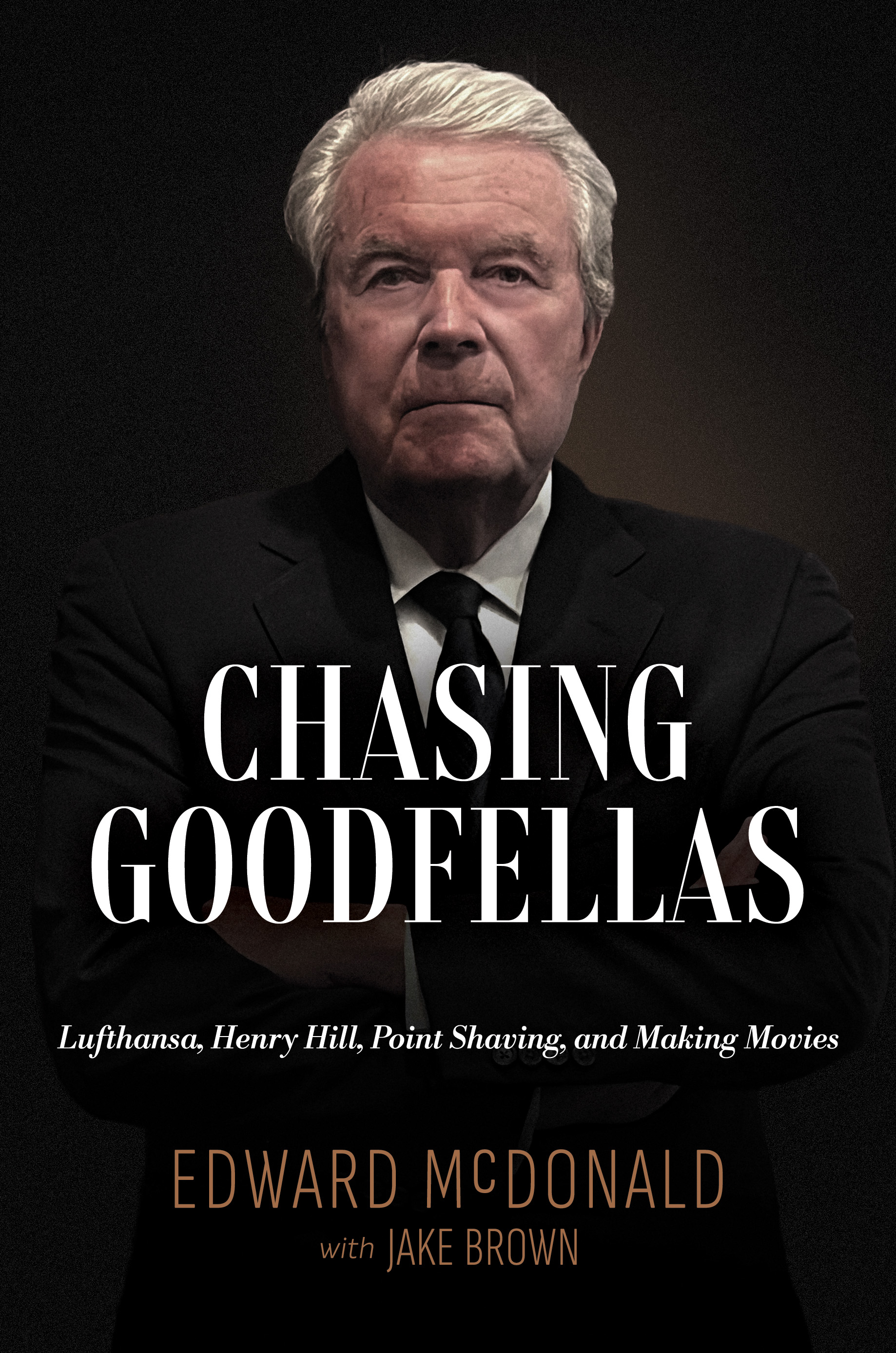
In an interview, McDonald discusses his recently published hard-to-put-down memoir, Chasing Goodfellas. The heavyweight mob prosecutor—and now longtime Dechert white-collar criminal defense attorney—provides a behind-the-scenes look at his appearance on the big screen and yearslong, real-life relationship with Hill both inside and out of the courtroom.
In 1977, after five years in the Manhattan District Attorney’s Office, McDonald joined the federal Organized Crime Strike Force in Brooklyn as a deputy chief. The Strike Force’s mandate from the U.S. Department of Justice was to target the leaders of the five New York crime families.
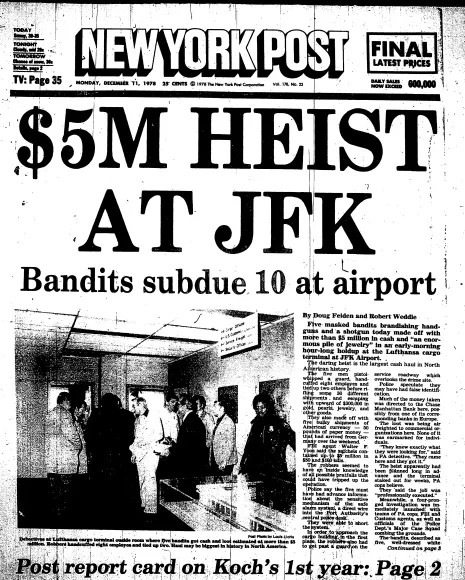
After just a year on the job, McDonald was assigned to work with the FBI to investigate the then-largest robbery in American history: the theft of more than $5 million in cash and jewelry from the Lufthansa Airlines cargo terminal at John F. Kennedy Airport.
Through informants, it was quickly determined that the heist was the work of a group led by Jimmy “the Gent” Burke, a gangster in a crew with Paul Vario, a caporegime in the Lucchese crime family.
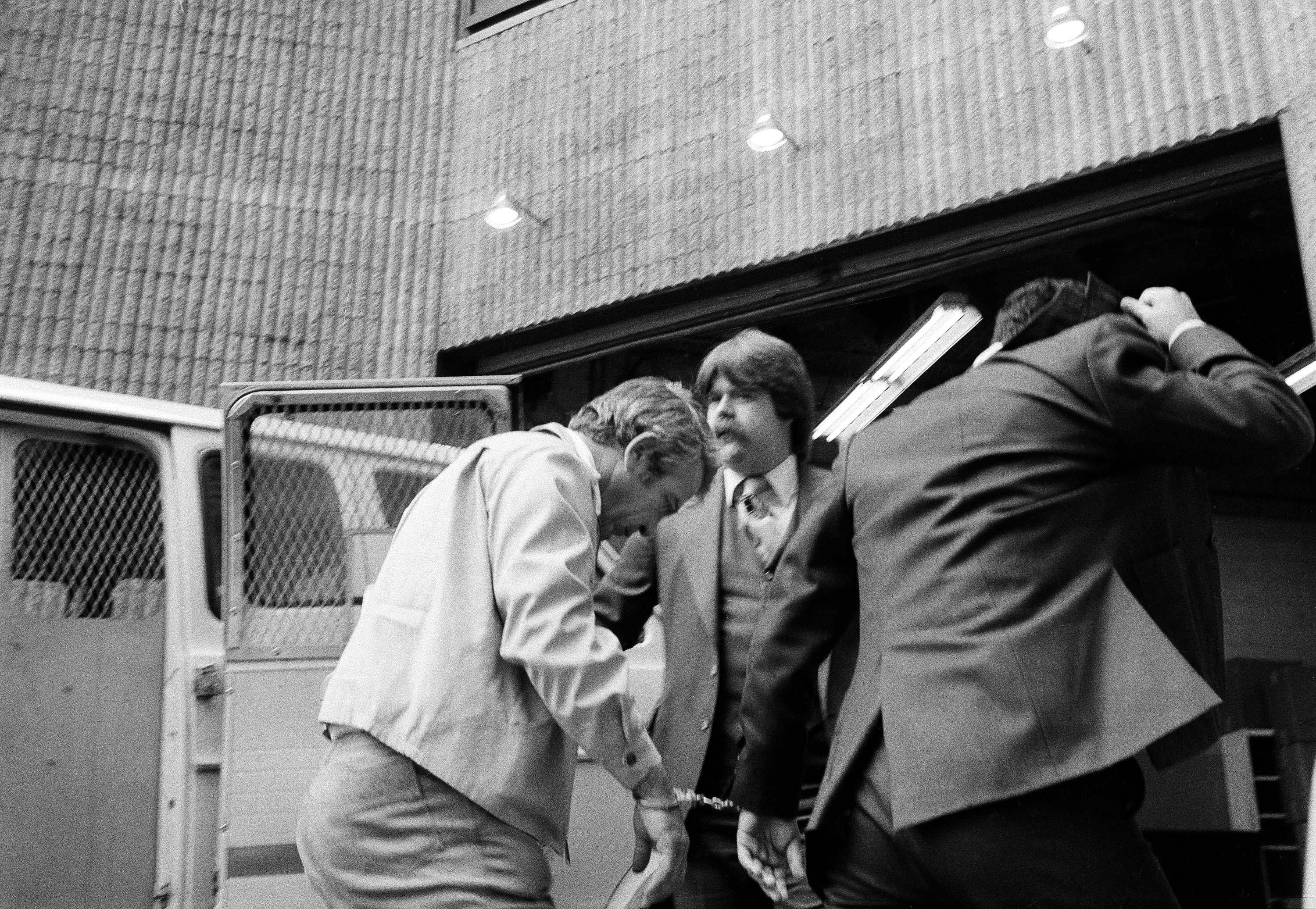
Despite a massive investigation, including McDonald’s work in securing the use of electronic surveillance of individuals under suspicion, Burke was never charged in the Lufthansa heist. As dramatized in Goodfellas, several people associated with the robbery were found dead, supposedly silenced by Burke.
The only person McDonald prosecuted was Lufthansa employee Lou Werner, known as the “inside man” who provided information to the crooks and made sure the large amount of cash remained in the cargo terminal over the weekend when the heist occurred.
It was to be a high-profile prosecution by someone with very little jury trial experience. McDonald’s work in the DA’s office had mostly been in the appeals bureau. “Everyone who I hung around with was making fun of me,” McDonald recalls. “I was becoming an ‘appeals nerd.’”
McDonald, now 79, said he had “a lot of ‘in court’ experience,” pointing to numerous appeals he’d argued. “It was stressful … but it was 20 minutes, a half-hour at the most,” he says of the experience. He had also handled hundreds of hearings in the DA’s office, but he downplays them as simple proceedings where it was a foregone conclusion that the case would be sent to a grand jury.
But “there was nothing like going into federal district court and trying a case,” the Georgetown University Law Center graduate told me, “particularly when the newspapers were going to be covering it.”
McDonald’s jury trials could be counted on just one hand. It weighed on him, he writes: “Throughout my trial prep, there were two thoughts I kept hammering into my brain: Ignore self-doubt, and do not show anyone you are nervous.”
Werner was found guilty on all counts. Writing in the New York Daily News, Jimmy Breslin said McDonald “had the grace to take the verdict as quietly as Werner did.”
In 1980, detectives in Nassau County, New York, arrested Henry Hill on drug trafficking charges. Facing the possibility of life in prison, Hill offered to cooperate. He claimed to have been in on the initial planning of the Lufthansa robbery, and that he and Burke had been in Vario’s crew since the early 1960s. In exchange for his information, Hill sought to have the drug charges dismissed and he and his family placed in the witness protection program.
A deal was struck, and McDonald began the long process of interviewing Hill, then in his mid-30s, about his life in organized crime.
Nicholas Pileggi, author of Wiseguy, the 1985 book on which Goodfellas was based, and co-writer of the screenplay with Scorsese, told me by phone that McDonald’s help in writing his book was “invaluable.”
“Ed helped Henry make sense of what he’d been through,” the 93-year-old Pileggi said. He explains that McDonald’s “overview and intelligence” had “sort[ed] out the debris that usually shows up at the doorstep of reporters and writers like me. A lot of that was already gone.”
Despite the despicable things he’d done, McDonald said Hill “was still a charming guy and he was fun, at times, to be with,” as well as “a great font of information for us.” But the former prosecutor also describes Hill as absent-minded and often undependable.
In his book, McDonald discusses the challenges that Hill created while in witness protection. On account of loose lips and too many phone calls back home, the Hill family had to be moved several times, resulting in their expulsion from the program at the end of 1981 after just a year and a half. Afterwards, with Hill unemployable due to substance abuse issues and commitments to helping prosecutors in New York, McDonald had to persuade federal agencies still benefiting from Hill’s assistance to provide financial support for short periods.
Even with all the challenges, “we had an outstanding record of success in cases in which [Hill] testified or otherwise cooperated,” McDonald wrote.
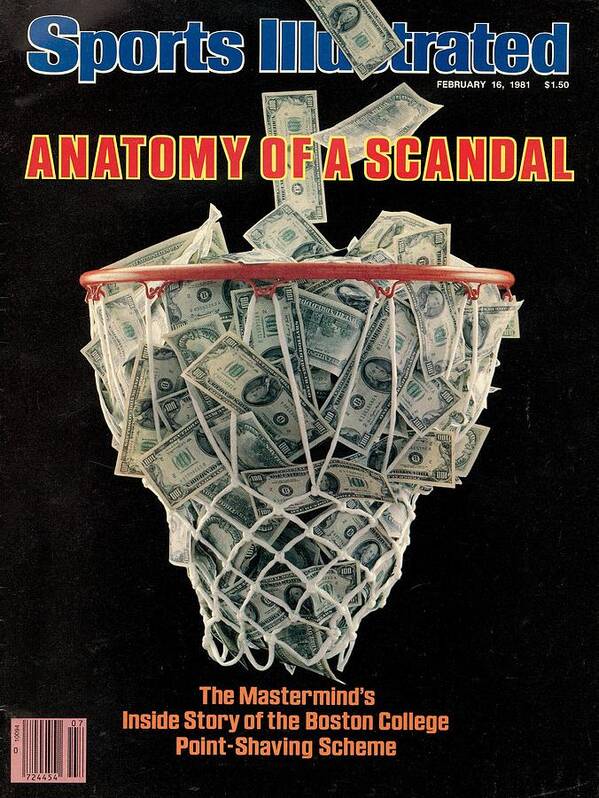
While McDonald was interviewing one of Hill’s girlfriends, she made a reference to traveling to Boston with him. Asked about it, Hill told McDonald that he was involved in fixing Boston College basketball games. McDonald, not just a Boston College graduate but a member of the school’s freshman basketball team, initially thought his colleagues were playing a prank.
Hill didn’t think what he was doing was illegal since the players weren’t being paid to lose games. Instead, when Boston College was the betting favorite, their aim was simply to keep the margin of victory below the point spread.
A scheme that Hill hadn’t even thought was important enough to tell McDonald about would become one of the biggest sports scandals in history, making the cover of Sports Illustrated.
After a lengthy investigation, McDonald tried five individuals, including one Boston College player and Burke. Hill was the star witness, but as a cooperator, his credibility was under constant attack. Key to McDonald’s case was using other witnesses and documents to corroborate Hill’s testimony. In 1981, after a four-week trial, a jury returned guilty verdicts against all defendants.
As a Boston College alum, McDonald initially was not going to handle the case past the investigative stage. “I didn’t want to be seen as being disloyal to the school that I really loved,” he said.
But the president of the university insisted that he stay with it. “They wanted to be able to say, for publicity reasons, that one of BC’s own was ridding the school of the problem,” McDonald explained.
McDonald was glad to have the president’s blessing to try the case. “Like any prosecutor,” he said, “you want to handle a case that’s going to get a lot of publicity and a lot of notoriety.”
McDonald would stay with the Brooklyn Organized Crime Strike Force for nearly a decade longer, including serving as its chief. He was responsible for convictions of the leaders of four of New York’s five Mafia families and countless capos and soldiers.
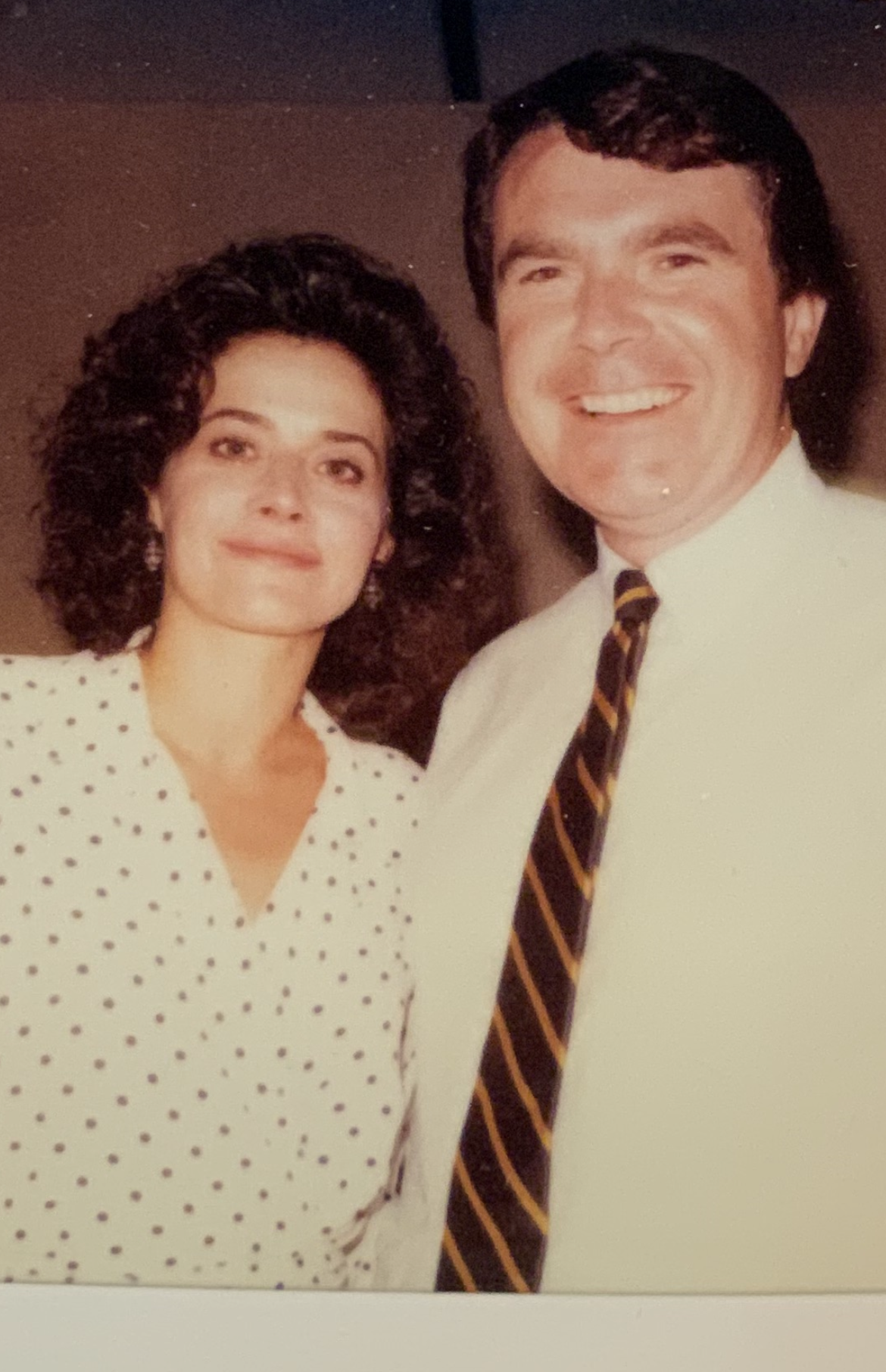
In July 1989, just one month into private practice, a limousine picked up McDonald at his new office in Rockefeller Center to take him to a diner in Queens where a scene in Goodfellas was being shot. McDonald, not yet a movie star, got in the passenger seat.
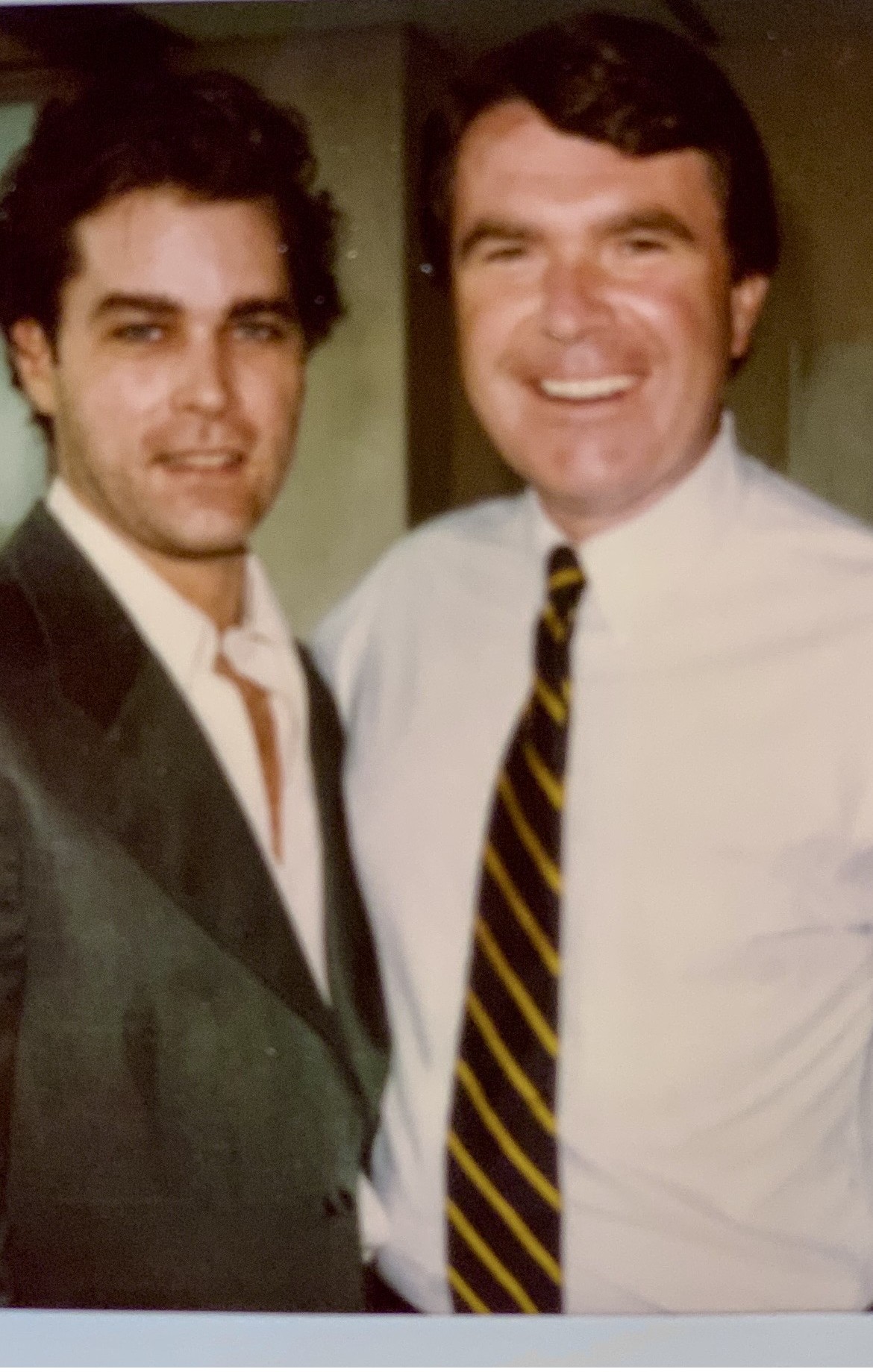
McDonald met individually with Scorsese, Liotta, Bracco and Robert DeNiro, who was playing the part of Burke. The actors wanted his impressions of the real-life people who they were portraying. He also met the personal assistant assigned to him—Gina Lewis, Henry and Karen Hill’s daughter, who he last saw a decade earlier when he put her in witness protection.
A few days later, the scene in McDonald’s office was shot. Remarkably, it was entirely ad-libbed.
Instead of a script, McDonald, Scorsese and the actors discussed the concerns individuals entering the witness protection program might have, and what Henry and Karen Hill were going through. The director provided a list of subjects and various emotions to be displayed in each of the six takes.
In the film, Karen protests that she’d done nothing wrong. McDonald retorts dismissively: “Don’t give me the babe in the woods routine, Karen, I’ve listened to those wiretaps.” McDonald says it is a line he had used in the past with witnesses professing dubious innocence.
Also in the scene, Henry is desperate that McDonald do what he can to prevent him from being sent to a cold climate. “He’s bronchial, that’s why,” Karen says. “If he’s legitimately bronchial, we’ll take that into consideration,” McDonald responds.
I joke with McDonald that while he may have used the “babe in the woods” line in the past, surely “legitimately bronchial” charted new linguistic territory for him.
“They’re going to put that in the medical textbooks,” McDonald says, laughing. “‘Legitimately bronchial,’ it’s something that doctors will be diagnosing.” (Watch the scene here.)
In 2009, the Lincoln Center’s Film Comment published its top 20 most memorable instances of people playing themselves in a movie. The tony magazine gave the top spot to the Beatles in A Hard Day’s Night. Kareem Abdul-Jabbar’s classic cockpit scene in Airplane came in 12th. McDonald took third place.
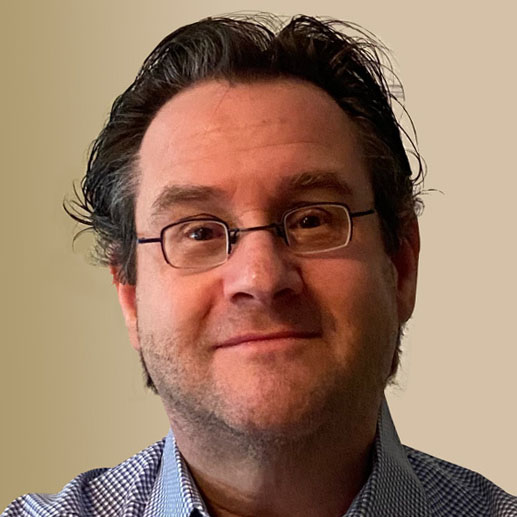
Randy Maniloff is an attorney at White and Williams in Philadelphia and an adjunct professor at the Temple University Beasley School of Law. He runs the website CoverageOpinions.info.