Helping future generations know history is a reward of historic preservation work, lawyer says


In recent months, a wave of litigation—including a high-profile battle over the Trump administration’s construction of a $400 million ballroom—has pushed historic preservation into the media spotlight.
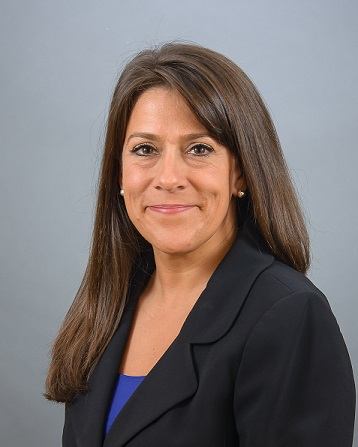
Michelle Arcari Rose is a historic preservation lawyer who currently works as a member of the Fairfax County History Commission in Fairfax, Virginia. Rose, who previously worked as an associate general counsel for the National Trust for Historic Preservation, says what’s at stake in preservation law is our ability to protect and accurately understand our past.
What are the challenges and benefits to practicing or working in historic preservation and preservation law?
The overarching benefit of this work is the incredibly satisfying feeling of saving cultural heritage for future generations. There are plenty of challenges. At the forefront of my mind right now is the politicization of preservation. Decades of progress, meaningful consultations and programmatic agreements have been cast aside, along with the rapid destruction of historic landmarks without careful consideration or any consultation.
Why should people care about preservation law and historic preservation?
What is at stake here is an accurate historical record. Without preserving the objects, buildings and materials that substantiate the truth—irrefutable factual evidence of what happened in a place and to people—the record is subject to attack and manipulation. The concentration camps in Germany stand as a testament to the crimes against humanity perpetuated by an authoritarian regime. We know they happened, and we can prove it. The Declaration of Independence is carefully safeguarded as proof of the words and intent of the founding of American democracy. Archeological remains of the dwellings of the enslaved are examined and rebut false narratives of what their lives were like.
Tell us about some of the work you have done that you found most fulfilling.
It was very rewarding to work as contracts and grants counsel at the National Trust [for Historic Preservation]. Carefully managing contracts and grants means supporting the architects, historians, collections managers, educators and project managers who are doing the real preservation work. Behind-the-scenes work is essential to making preservation happen and immensely satisfying.
What are the biggest changes in preservation law that you have seen recently, and why are these changes important?
The biggest change going on right now is the Advisory Council [on] Historic Preservation’s proposed regulation changes to the National Historic Preservation Act’s Section 106. The [council’s] draft would significantly diminish the legislative purpose of [the act], which is to preserve America’s cultural heritage. Since 1966, the [act] has brought together all relevant consulting parties when a government undertaking has a potential to negatively affect historic material. The new language would undermine consulting parties’ leverage to negotiate for the mitigation of adverse effects to historic structures and archaeological sites.
What steps would you suggest for someone interested in practicing in this area?
Major in prelaw with a concentration in history or architecture. I recommend looking for a law school at a university with an historic preservation master’s program and explore the chance to create a joint-four-year JD and MA or MS program.
Given that it’s the 250th anniversary year for the Declaration of Independence, what is your favorite Revolutionary War era historical site?
One of my favorite Revolutionary War places to visit is Fredericksburg, Virginia. It is a pocket of undiscovered Revolutionary culture and stories of some of the most important colonial families: Washington, Weedon, Lewis, Mercer. There is so much more to discover in Fredericksburg than the Civil War.
What’s your favorite museum?
One of my favorite museums is the Tenement Museum in Manhattan. You can visit more than 10 times and never hear the same story. It is a time capsule of life. The residents’ stories are so diverse and interesting. Imagine sharing a small apartment roughly the size of a bedroom with four other adults and a hall bathroom with several other families and people you don’t know. Imagine the coughing, spewing, messy coal furnace pushing hot air in the hallway and leaving grimy coal dust on your clothes, hair, skin and in your lungs. Imagine the smells, the dim lighting, the lack of sound-proof walls and insulation that fails to blur out the yelling, crying babies or folks next door. It is a must-see.
#MyPathToLaw is a guest column that celebrates the diversity of the legal profession through attorneys’ first-person stories detailing their unique and inspiring trajectories.
Write a letter to the editor, share a story tip or update, or report an error.