


Retired Texas state court judge Cythia Stevens Kent was sitting in her courtroom in 2005 when shots erupted just outside the building. A man involved in a family law dispute, not before Kent, shot and killed his wife and another person while wounding four others, including his son. The gunman was shot dead after a high-speed chase in Tyler, Texas.
“When the shooting was occurring I was going, ‘Doggone, why didn’t I bring my gun today?’ But looking back on it, I still think it was the right decision,” says Kent, who added that she normally carried during her judicial career and that “a lot more judges did after” that fatal shooting.
Since then, serious threats against judges have been markedly on the rise according to the U.S. Marshals Service.
As a result, Republican U.S. Senators Tom Cotton from Arkansas and Marsha Blackburn from Tennessee introduced the Protect Our Prosecutors and Judges Act. It aims to make it easier for current and retired federal judges, as well as current and retired federal, state and local prosecutors, who have completed training in their home jurisdiction, to carry guns for protection, including across state lines.
With a new Congress coming in soon, the bill’s future is unclear. But security experts wonder if judges would get enough training to use their guns safely.
“Every judge out there is at risk. So whatever they feel like they need to do to keep them and their family safe, they should do that. And if one of those things is carrying a firearm, do it. However, please do get training,” says John Muffler, a former U.S. Marshals Service chief inspector, where he was tasked with protecting hundreds of public officials. He currently serves on the ABA Judicial Division’s Security Committee.
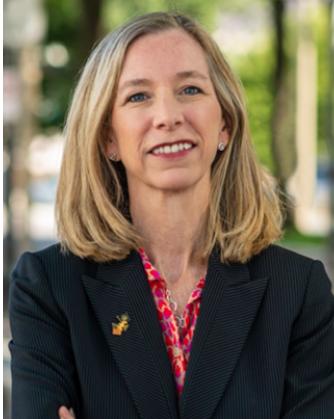
Former FBI agent and Chicago prosecutor Katherine Schweit, a security consultant who now teaches a course on the Second Amendment at DePaul University, agrees.
“There’s a significant amount of difference between what I went through as an FBI agent and what somebody might go through as a federal judge or prosecutor,” she says.
Neither Muffler or Schweit is a fan of judges carrying in the courtroom.
“I wouldn’t want a judge carrying it on the bench, especially knowing full well that most aren’t proficient,” Muffler says. “There’s many officers killed in the line of duty every year that have their guns taken from them in a fight. And they’re trained on it.”
Several states, including Texas, have open carry laws for licensed handgun holders.
“The courthouse is a very emotional setting, particularly family law cases but in lots of other cases,” Kent says. “So there does have to be some common sense about just opening it up to anybody carrying a gun into the courthouse.”
A December 2024 National Judicial College survey of hundreds of state court judges found that 31.6% of judges carry guns. It also reported that nearly 79% agreed it is becoming “more dangerous to become a judge.”
Last year, a man pleaded guilty to charges that he tried to assassinate Supreme Court Justice Brett Kavanaugh. Authorities had arrested Nicholas Roske with multiple weapons near Kavanaugh's home in 2022.
Meanwhile, the son of U.S. District Judge Esther Salas was murdered in 2020 at their New Jersey home by a disgruntled lawyer posing as a delivery driver. That led to the passage of the Daniel Anderl Judicial Security and Privacy Act to prevent the publication of judges’ home addresses and other personally identifiable information.
In addition, a bomb threat was made against the home of the New York judge overseeing a civil trial against President Donald Trump in 2024. While the threat proved to be a hoax, it drew a heavy emergency response.
These incidents and others have ratcheted up judicial anxiety.
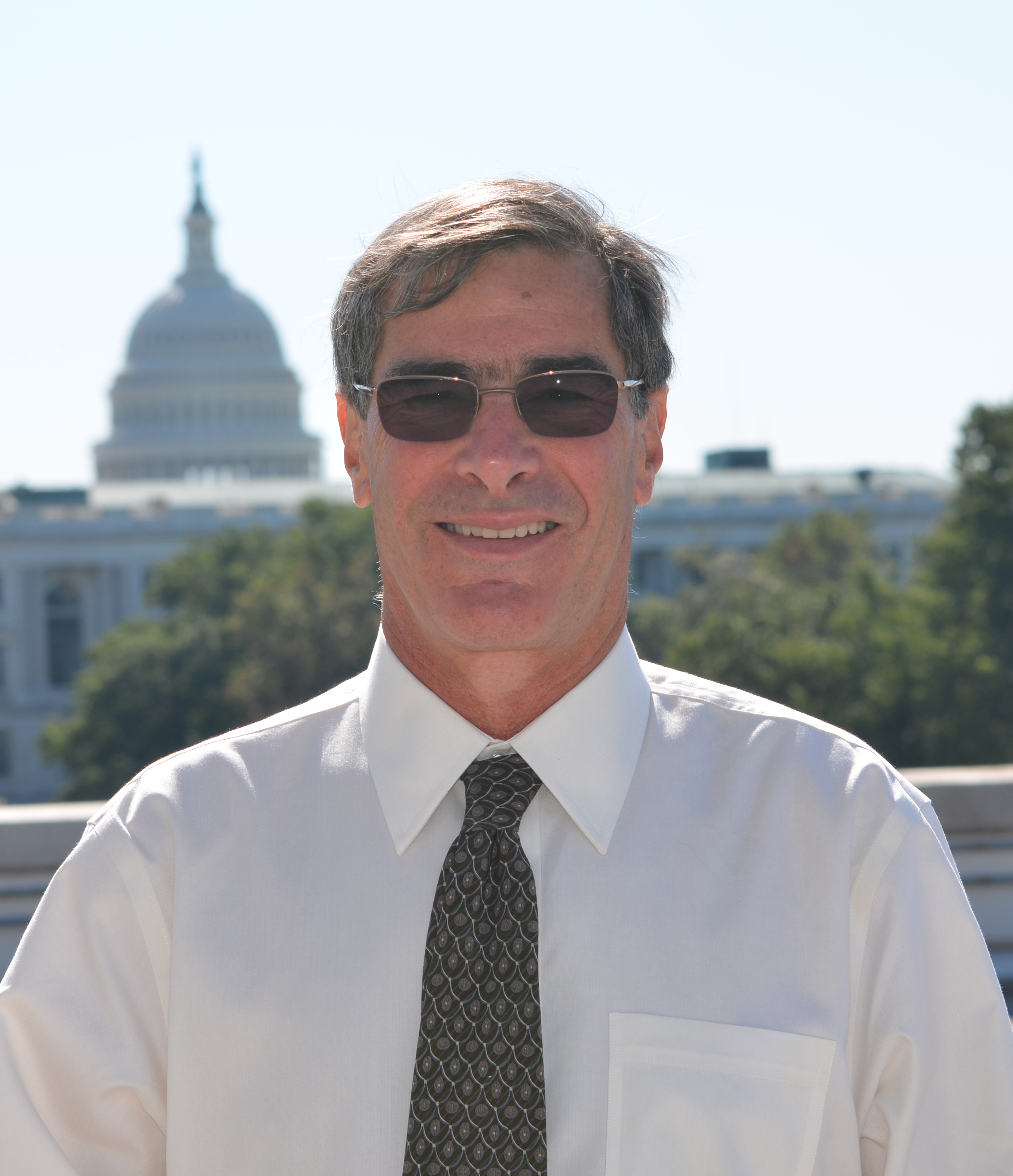
Jeremy Fogel served as a federal judge in the Northern District of California for 20 years before retiring. He's now the executive director of the Berkeley Judicial Institute.
Speaking at a judicial conference earlier this year, Fogel asked a crowd of about 120 judges how many had received a safety threat that concerned them. He was surprised to see more than half of the judges raise their hand.
Fogel points to a 2006 case he was involved with, in which he paused executions in California, as an example of how much things have changed.
“I got maybe 200 to 300 emails or letters after I made my decision. People said some things that were very critical, but I didn’t get any threats. And it died down after a couple of weeks,” Fogel says.
“I can’t imagine if that case happened today it would have been anything like that. It would have been explosive.”
For instance, he says that U.S. District Judge James Robart in Seattle received numerous death threats following his 2017 decision to issue a temporary restraining order blocking the Trump administration’s first travel ban.
“He had a security detail for a long time,” Fogel says. “It really affected his daily life in some significant ways.”
Citing the rise in the number of threats, along with newer ones such as pizza doxxing and others, Fogel says the U.S. Marshals service “definitely needs more resources,” explaining they don’t have enough bodies to give each case the attention it deserves.
“When I have judges in a room and I’m teaching them, or having just deputy sheriffs in a room, I always say raise your hand if you’re fully staffed for security. And it’s a big laugh because no one’s ever fully staffed. Nobody has all the equipment they want to have,” he says.
Fogel expressed concern that law enforcement at the state and local level typically waits to act on a threat to a judge after it’s too late.
“A lot of law enforcement wait for probable cause, and that’s a problem whether you’re dealing with judicial threats or a threat to a school,” Muffler says.
In her 24-year career on the bench, Kent says she had different levels of threats and typified many of them as people “just venting.” She adds, though, that if it rose to a higher level, “that’s where you let law enforcement take care of it. But you have self-protection ready should there be a bad situation.”
Muffler agrees.
“I tell judges to be the active participant in your own survival because that deputy sheriff, that bailiff, that security guard may not know how to help you once you leave," Muffler says.
Schweit ultimately calls carrying a gun a “personal decision,” but one that comes with a big responsibility. Noting most threats or attacks occur away from the courthouse, she concludes, “If you’re standing with your family and see somebody with a gun and you pull your gun out, you make yourself a target and your family too.”








