Walk into any law firm today, and you’ll likely find attorneys using artificial intelligence tools for everything from contract analysis to brief writing. Yet if you walk into most state bar associations, you’ll find regulatory frameworks that haven’t caught up to this new reality.
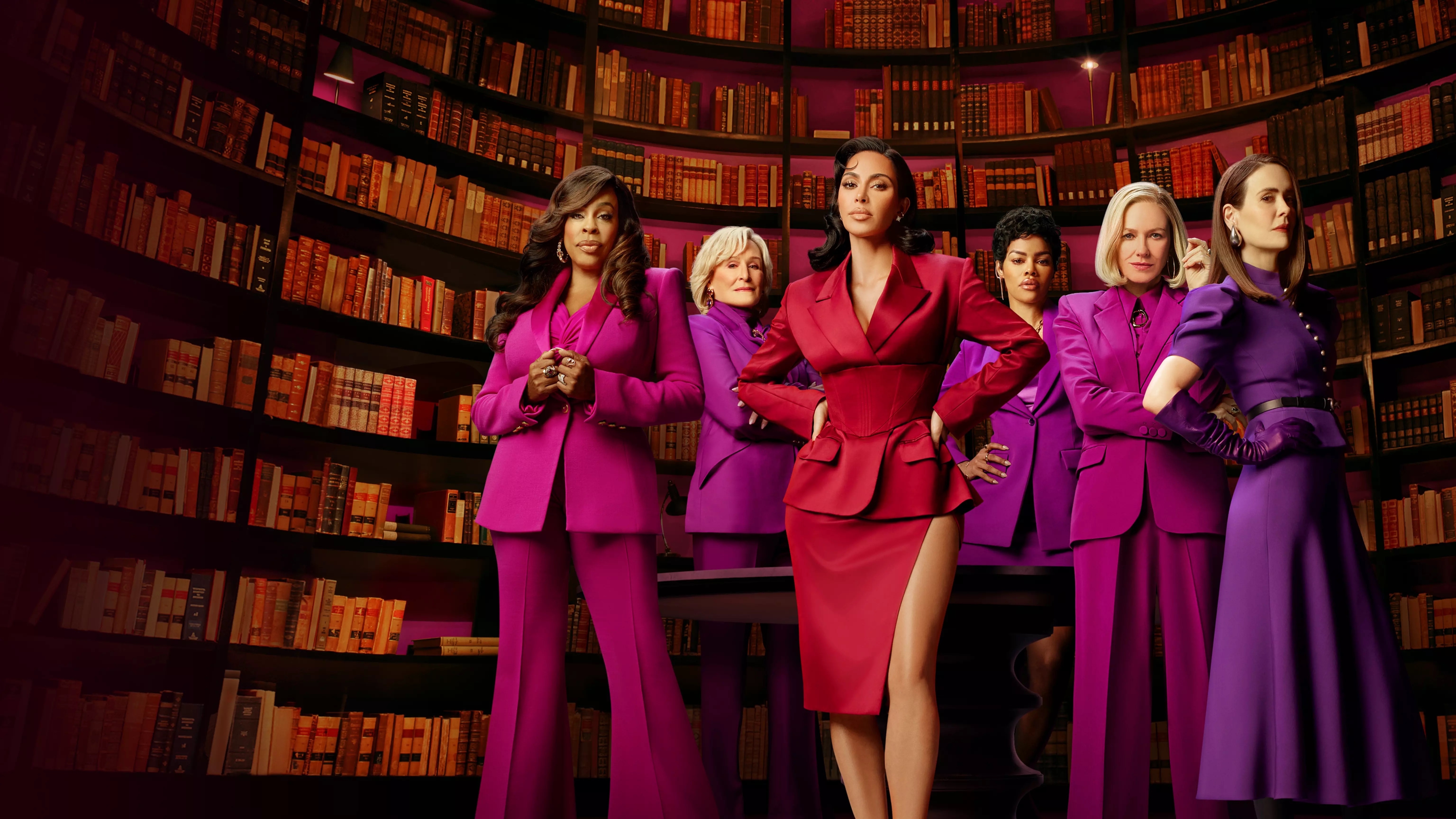
In addition to starting on the path to be a lawyer, Kim Kardashian plays one on TV, in Hulu’s All’s Fair. I watched two episodes, so you don’t have to watch any.
Retirement is a significant life event that often inspires a mixture of fear, excitement and uncertainty. The ABA Senior Lawyers Division recently aired Stephen Herman’s documentary, Retirement on Trial: A Documentary and Panel Discussion for Lawyers Thinking About Their Next Stage, which examines retirement through the lens of lawyers who are both apprehensive and optimistic about this transition.
Scarlett Ungurean, Executive Director at ABA Retirement Funds
The Supreme Court will hear two cases—Trump v. Slaughter on Dec. 8 and Trump v. Cook on Jan. 21—that are likely to substantially change the law as to when the president can fire those in the executive branch of government. President Donald Trump has claimed that it is a “unitary executive,” and that as the head of it, he can fire anyone within it.
For the legal tech and broader tech industries, 2025 was a year of consolidation and AI-fueled investment. The pace of merger activity accelerated as the year progressed, with companies trying to strengthen their position in an increasingly competitive market. The volume of funding rounds and acquisitions overshadowed nearly every other announcement as venture capital and private equity firms poured record levels of money into legal tech.
Ari Kaplan recently spoke with Brian Powers, the co-founder and CEO of Markups.ai, a company that created an AI agent called Agent Marko to draft, revise and analyze contracts from clients' inboxes with no new platform required, and Debbie Epstein Henry, the founder of DEH Consulting, Speaking, Writing and the chief strategic adviser to Markups.ai.
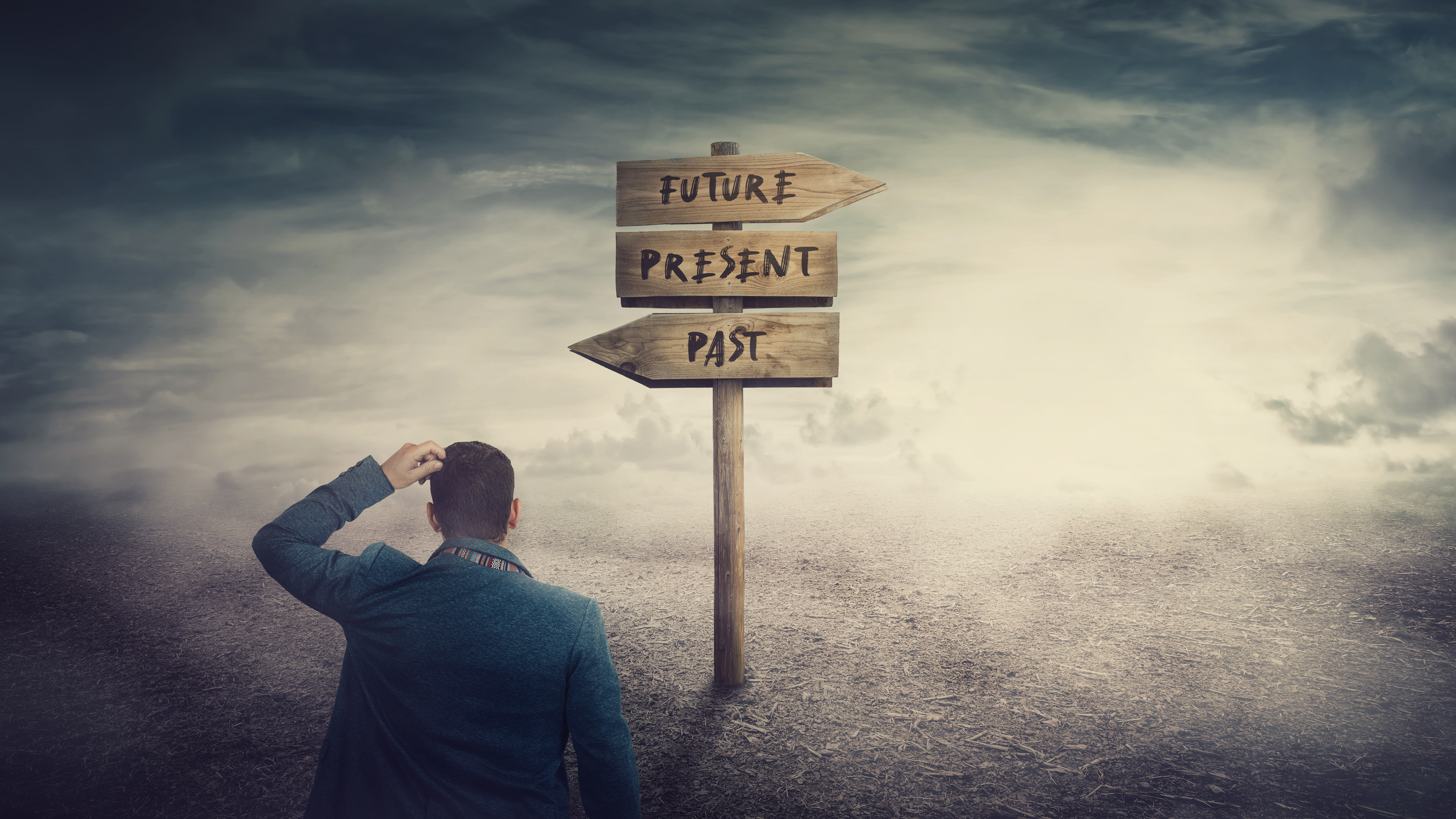
Lawyers often make their prose harder to follow than it needs to be. One of the worst culprits is time-toggling—those unannounced leaps from present to past, from recent to remote, from actual to hypothetical.
Previously, I spoke about how artificial intelligence has been here for a long time and how lawyers can use it to help them practice law and run their firms more efficiently. Now, we will focus on how lawyers can use AI well and integrate it into their practice, as well as what they can expect in the future.
Rarely do issues before the Supreme Court make it to commercials during the World Series. But in the first two games between the Dodgers and the Blue Jays, there were commercials from the Province of Ontario consisting of a 1987 radio address from President Ronald Reagan strongly denouncing tariffs. On Nov. 5, the legality of President Donald Trump’s tariffs will come before the Supreme Court in two consolidated cases.