Braxton Moral isn’t sure what he wants to do after he passes the bar, and that’s OK. He’s only 19 years old. In addition to being years younger than the vast majority of candidates sitting for the February 2022 bar, Moral is set to graduate from Kansas’ Washburn University School of Law in 2.5 years rather than the traditional three. He claims he didn’t do well during his first semester but started to get the hang of it by the second.

The digital platform HelloPrenup helps couples create prenuptial agreements by filling out in-depth questionnaires and comprehensive financial disclosures instead of having to go to a lawyer.

Over the past year, various academics have expressed support for a University of Illinois Chicago School of Law professor who faced student criticism after he used abbreviated racial and gender slurs as part of a hypothetical fact pattern for a civil procedure final exam.
The ABA Social Justice Policy Summit will be held on Dec. 8 and 9. Hosted by the Section of Civil Rights and Social Justice’s Rights of Immigrants Committee and the Coalition on Racial and Ethnic Justice, the free conference will explore interpersonal, structural and institutionalized discrimination and how to achieve necessary reforms in the new administration.
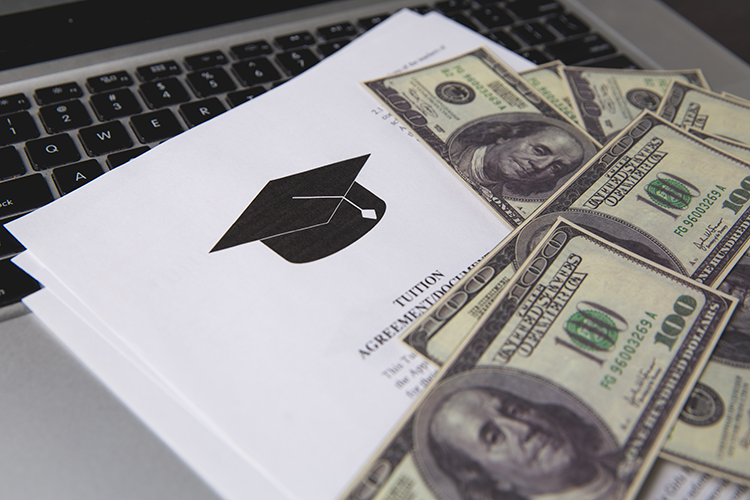
The U.S. Supreme Court’s latest case about the Constitution’s religion clauses hails from Maine, where the state has paid tuition to send some students to private schools for more than a century but for the last 40 years has limited the choices to “nonsectarian” schools.
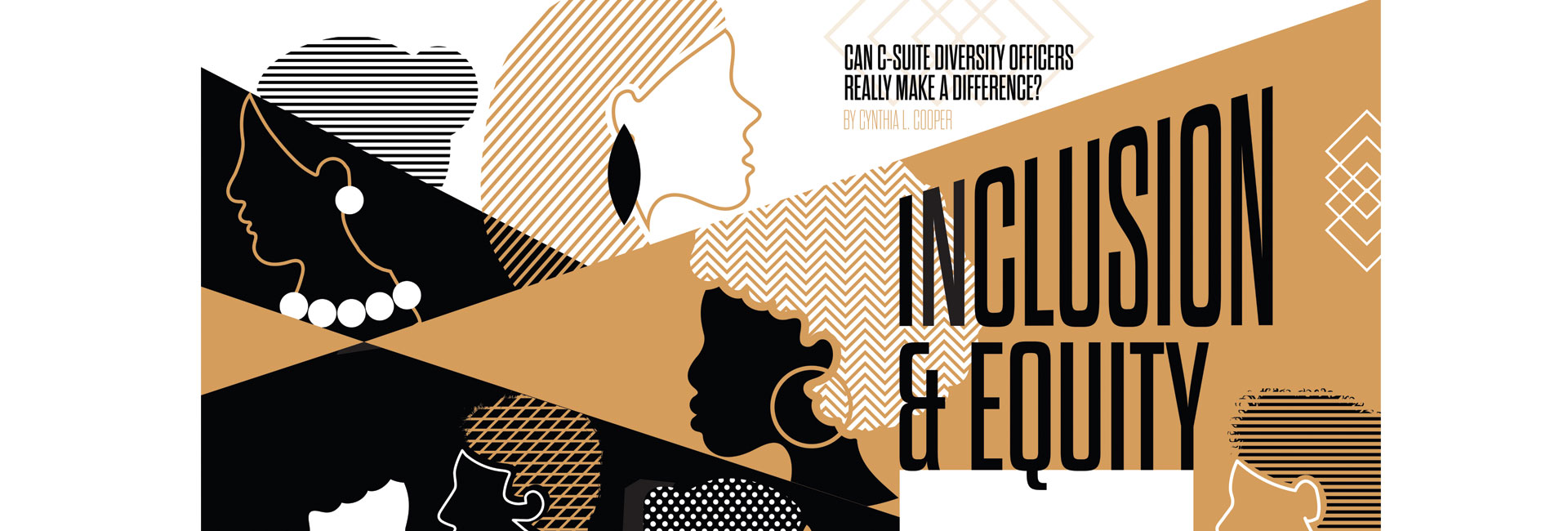
“It’s a growing trend that’s going to stick,” says Sylvia F. James, chief diversity and inclusion officer for the international firm Winston & Strawn. “I think it sends a message both internally and externally about the importance that the firm places on the position.”
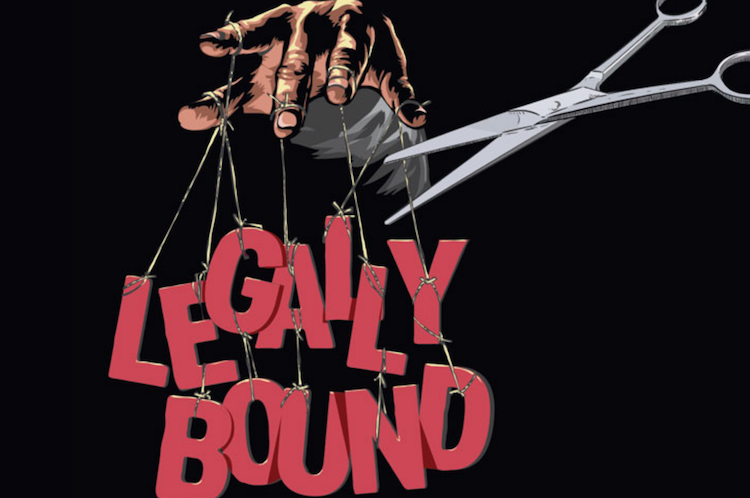
Guardianship, also called conservatorship, is a term used when state law grants an individual decision-making power over an adult deemed incompetent or a minor child. A court-appointed guardian’s control is often limitless and can include power over their person and/or property.

Many civil rights attorneys seeking body camera video find police departments, officials and judges can stand in their way. Sometimes, according to lawyers and legal experts, the video is selectively released or edited. That can leave lawyers with little choice but to file a lawsuit and use discovery and subpoena power to obtain recordings, delaying justice for families wanting a more complete picture of what happened to their loved ones. Even so, police say there are good reasons to withhold, edit or redact footage to protect the privacy rights of people who appear on camera and prevent interference in ongoing investigations.
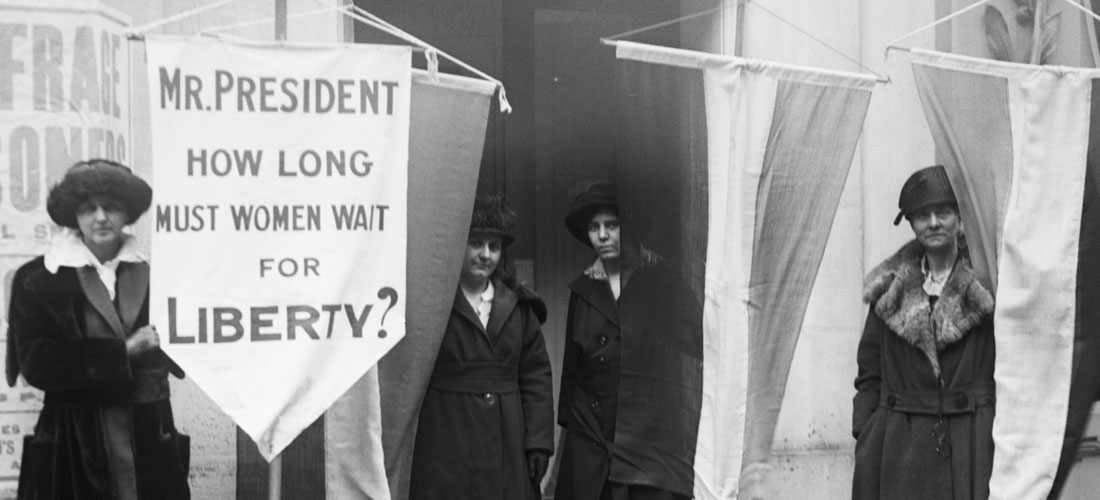
Legislators who are now seeking to restrict protesters say the measures are necessary to establish law and order; provide security; protect businesses; ensure the free flow of highways; and distinguish between peaceful protesters and rioters. But free speech experts warn that the legislative trend against protesting is harmful to fundamental First Amendment freedoms.

Fears that COVID-19 would cause a prolonged financial blow to the legal industry did not come to fruition. Instead, many firms were able to quickly and effectively transition to remote working, which left them in position to assist with an array of COVID-19-related legal issues. But the industry’s successful transition to widespread remote working has not come without drawbacks.