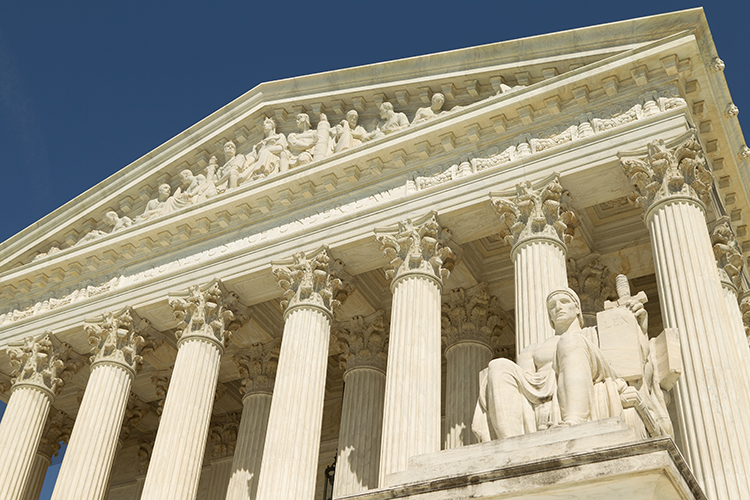
The U.S. Supreme Court reconvenes for its new term on Oct. 5 with grief in the air after the death of Justice Ruth Bader Ginsburg, a confirmation battle and election controversies swirling all around it and the court’s operations still disrupted by the pandemic.

After a gunman opened fire at Judge Esther Salas’ suburban New Jersey home in July, killing her 20-year-old son, she made an emotional plea. But she isn’t the only one sounding the alarm and asking for greater protections and privacy for jurists. Others in the federal judiciary are taking another look at privacy protections and security at judges’ homes.
A growing number of negligence suits are being filed across the country against nursing homes and other long-term care facilities by families whose relatives died from the coronavirus while living in such facilities.
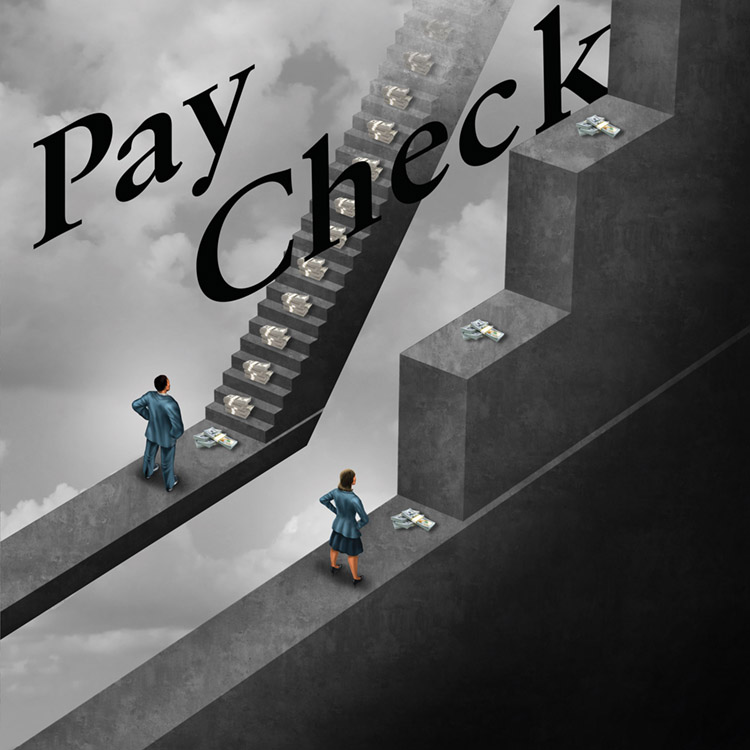
“People who violate the norms get punished. Whether that is demanding equal pay, demanding to get the same quality of work as a nonminority or demanding to be spoken to with dignity, norm violators get punished. And for too long, women were expected to sit down, be quiet and follow the lead of men,” says Fitzgerald Bramwell, a Chicago litigator.
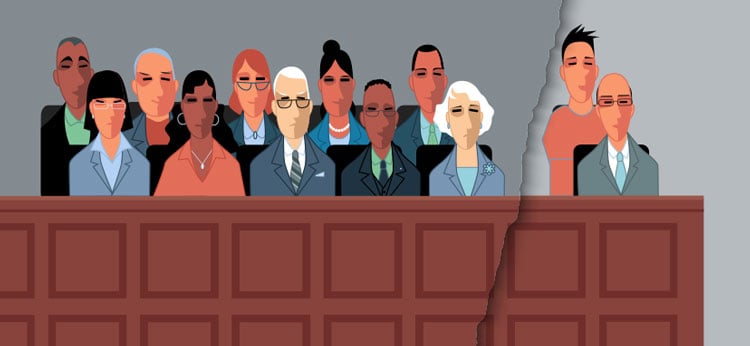
In April, the U.S. Supreme Court ruled in Ramos v. Louisiana that split verdicts in state trials for serious criminal offenses violated the Sixth Amendment right to a fair trial, overturning a high court ruling in 1972 that upheld them. The effect of the court’s ruling in Ramos is that state courts will now vacate cases with split verdicts on direct appeal. Prosecutors will next decide whether to retry them. What is unclear is whether the ruling will apply retroactively.

New concerns about maternal risks in pregnancy emerged as COVID-19 plowed its way across the country this year. Maternal mortality across the spectrum shows stunning increases in the United States. The number of deaths has risen while declining in almost every other nation.
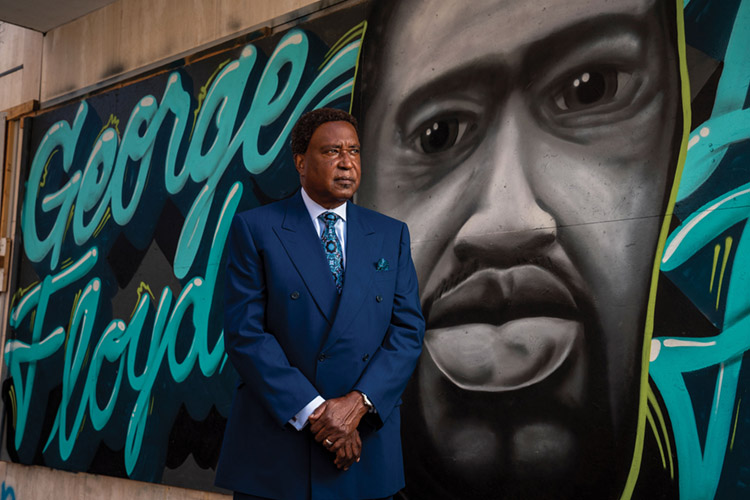
Lawyers have a long tradition of supporting efforts to bring racial and social justice to this country. Recent killings of unarmed Black people by police have sparked a new wave of protests and demonstrations on a scale not seen in decades. Once again, the nation has been forced to pay attention.
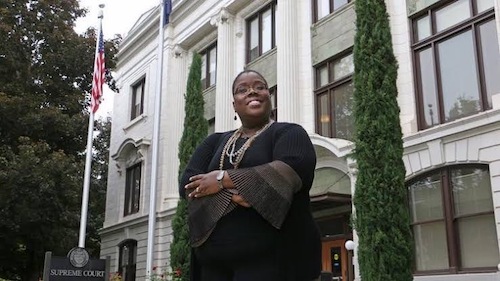
On a hot day in June 2019, Oregon Supreme Court Justice Adrienne Nelson stood up and made a promise to her community. “This is going to be a place where students know they are enough, and they can build from that and grow from that,” she said.

The ABA launched the Poll Worker, Esq. initiative to mobilize lawyers to assist as poll workers in the upcoming 2020 election.
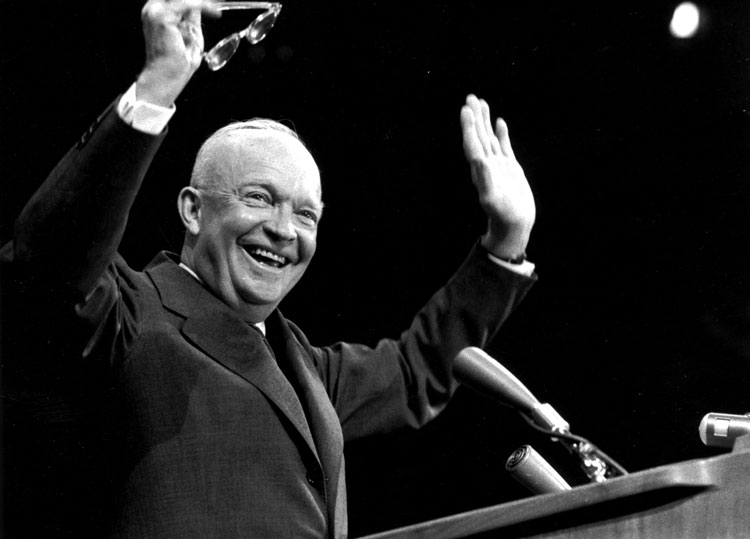
There are parallels between President Dwight D. Eisenhower’s recess appointment of William J. Brennan Jr. and the vacancy created by the Sept. 18 death of Justice Ruth Bader Ginsburg just weeks before the presidential election, 1956 “was a very different time from what is happening now,” says Ilya Shapiro of the Cato Institute.