Neuroimaging study shows what parts of the brain are activated when judging a slaying case


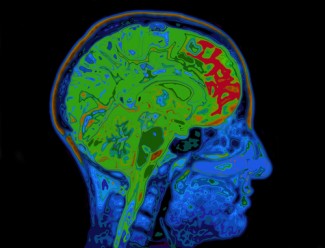
Image from Shutterstock.
A brain neuroimaging study of subjects considering fictional murder cases shows how different parts of the brain are activated when the facts vary.
In cases of intentional murder, more graphic details produced greater coupling between the amygdala, which processes emotions, and the dorsolateral prefrontal cortex, which is used in decision-making, according to the study by Michael Treadway of Harvard University and his colleagues. The Wall Street Journal (sub. req.) summarizes the findings.
When a death was unintentional, however, grisly details did not lead to increased activity of the amygdala, and no greater coupling with the dorsolateral prefrontal cortex. The apparent reason: When the death was unintentional, there was more activity in a part of the brain responsible for empathy and perspective.
“Like any great study,” the Wall Street Journal says, “this one prompts new questions: How does this circuit vary in different people or cultures? What might influence how this circuit matures, and how does it affect children’s capacity to incorporate intent into their thinking?”
Write a letter to the editor, share a story tip or update, or report an error.