There’s no bar survey tracking how carefully lawyers now check their citations, and firms have little incentive to publicize a shift in habits prompted by embarrassment.
Ari Kaplan recently spoke with Sean Fitzpatrick, the CEO of LexisNexis' legal business, where he leads strategy, growth, product innovation and operations.
As the ABA gathers for its 2026 Annual Conference and joins the nation in commemorating the 250th anniversary of the Declaration of Independence, this historic milestone serves as a timely reminder that the founders regarded self-government not as a settled achievement but as an ongoing responsibility that depends on laws, institutions and sustained civic engagement to endure.
Generative artificial intelligence has proven to be a truly disruptive technology. In just a few short years, AI’s effects have been felt in every industry and across most professions. It has impacted financial markets, company structures and the way that work gets done.
Imagine a family that is in their early 30s with two children under 10, a house loan and maybe a bit of work on the side. If the parents were to die tonight, who would raise the children? Who gets the house? Who's in charge of their accounts while their estate is being probated?
Throughout my career, I have learned a lot from my “adversaries.” One such adversary was the late great Ross D’Apice, a Brooklyn defense attorney and legend who passed away several years ago.
No area of constitutional law is generating more litigation than the Second Amendment. In 2022, in New York State Rifle and Pistol Association v. Bruen, the U.S. Supreme Court significantly changed the law of the Second Amendment, holding that gun regulations would be allowed only if they were supported by history and tradition. This has led to challenges in federal and state courts to every type of gun regulation. There is great confusion in the law and splits among state and federal courts on many issues.
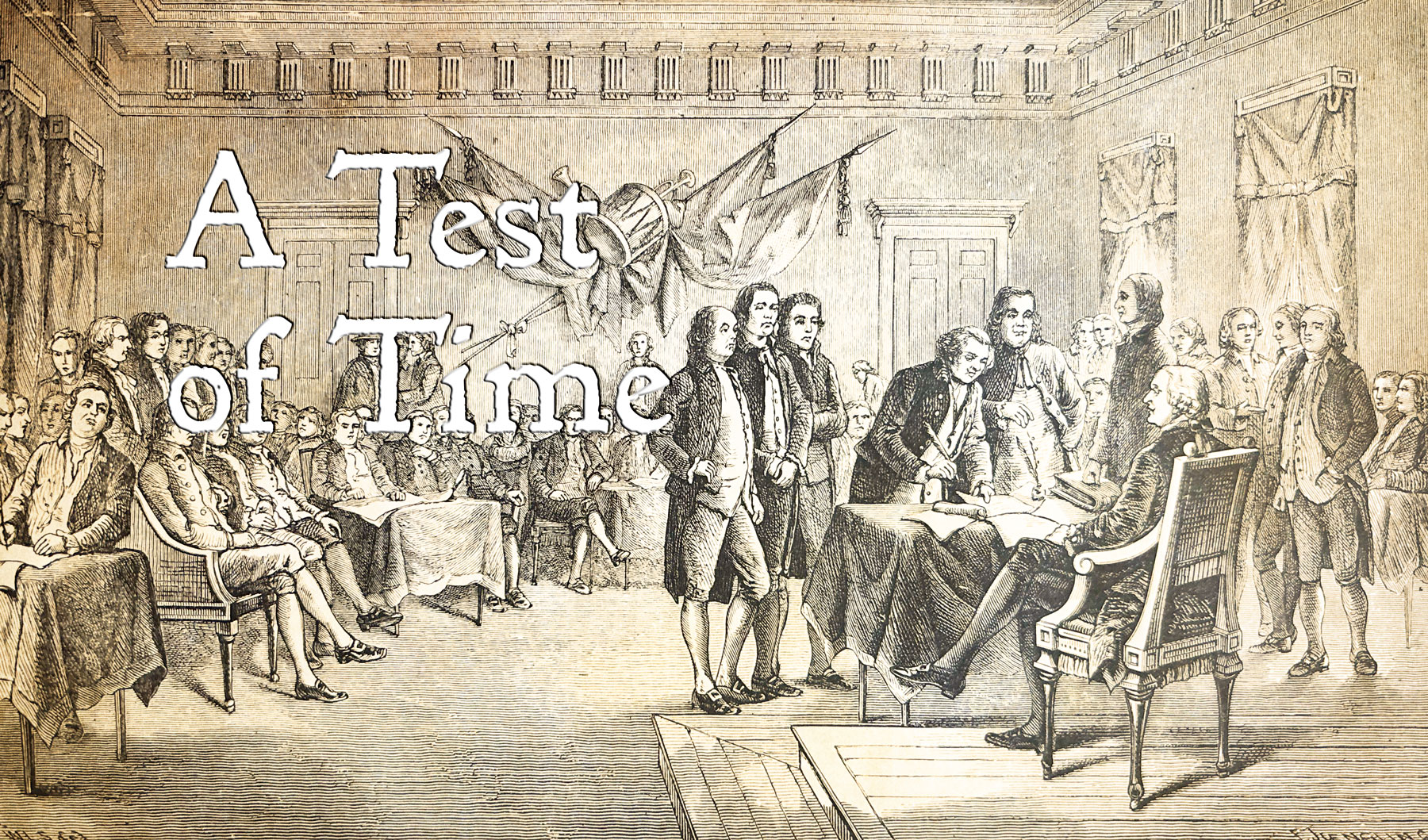
I worry that the many celebrations of the 250th anniversary of the Declaration of Independence will commemorate the historical moment but fail to appreciate the enduring meaning of the extraordinary statement approved on July 4, 1776. A reading of the Declaration of Independence reveals its ongoing relevance—indeed, especially for this particular time.
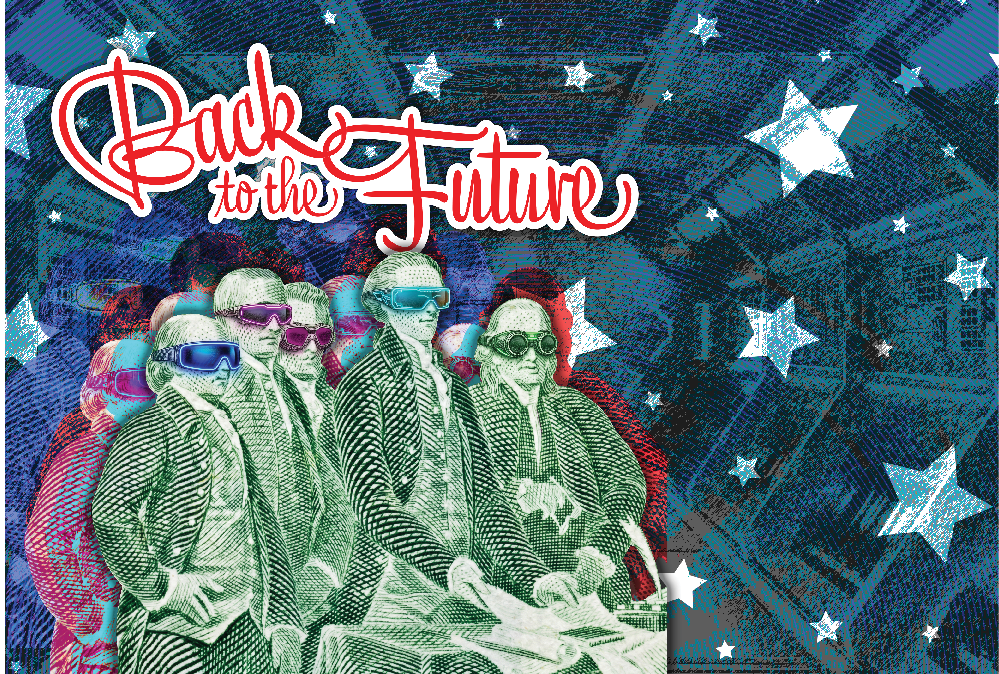
To mark the 250th anniversary of the signing of the Declaration of Independence, the ABA Journal traced the purpose and pedagogy of legal education throughout our nation’s history to gain insight on where we are now and where we might head. Can the future of best practices to educate lawyers and admit them to the bar be found in a close look at the past? Could early American educational methods offer a preview of what’s to come—and what to avoid—in legal education? And how can debates about the proper balance between academics and working with the practicing bar to provide quality legal education inform today’s and tomorrow’s standards?