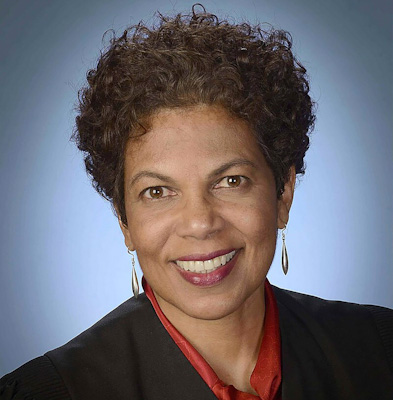
A federal judge who has previously ruled against former President Donald Trump will be overseeing the new criminal case accusing him of conspiring to subvert the 2020 election.
Alpha Brady is the ABA's new executive director, the association announced on Monday. Brady, who has served as the interim executive director of the ABA since March, will be the first person of color to hold the position of executive director of the association in its 145-year history.
An immigration lawyer who uses pink to brand her law firm says she was "elated" and "excited" when Inside Edition approached her for a story that compared her and her employees to the pink-loving Barbie featured in the new movie released July 21.
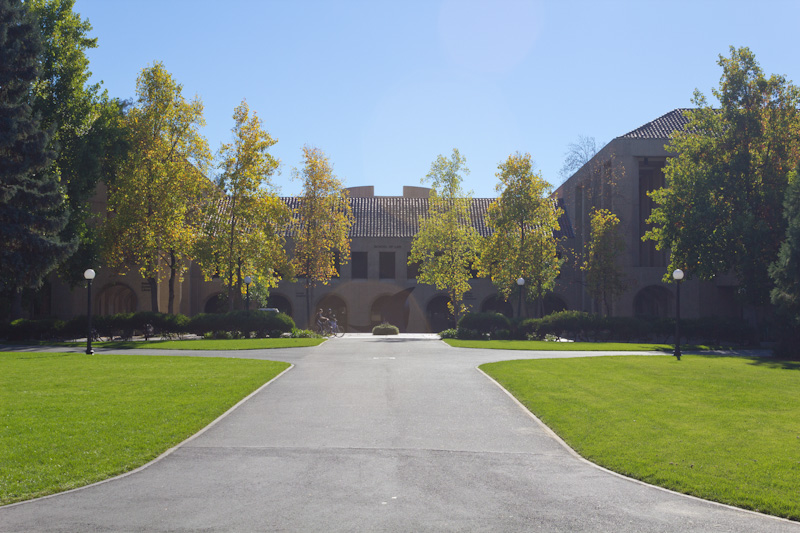
Tirien Steinbach, an associate dean at Stanford Law School who was shown in a videotaped campus exchange with a federal appellate judge that went viral, has announced that she is leaving her role.
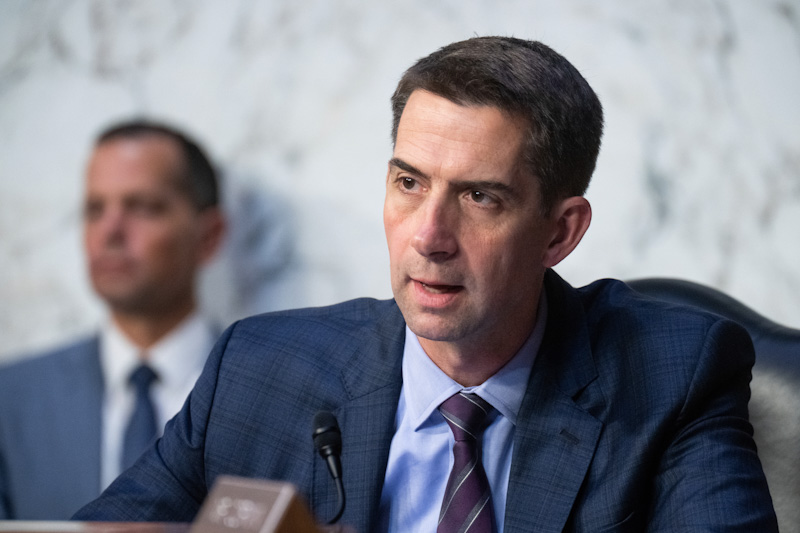
Republican U.S. Sen. Tom Cotton of Arkansas has dispatched a letter to 51 BigLaw firms advising them to warn their clients of the risks of “race-based hiring quotas and benchmarks.”
After last month’s U.S. Supreme Court opinion that found race-conscious university admissions decisions to be unconstitutional, the clock is ticking for law schools determining what to do when the new applications cycle begins in September.
Attorneys general from 13 states are warning Fortune 100 companies that a U.S. Supreme Court decision striking down race-conscious admissions programs at universities also implicates corporate diversity programs.
It’s strange how three little letters can cause so much angst. As a 2L interviewing with BigLaw firms, “Law” was looming enough, without “Big” preceding it. Five years later, I faced a new set of terrifying letters: ALS.
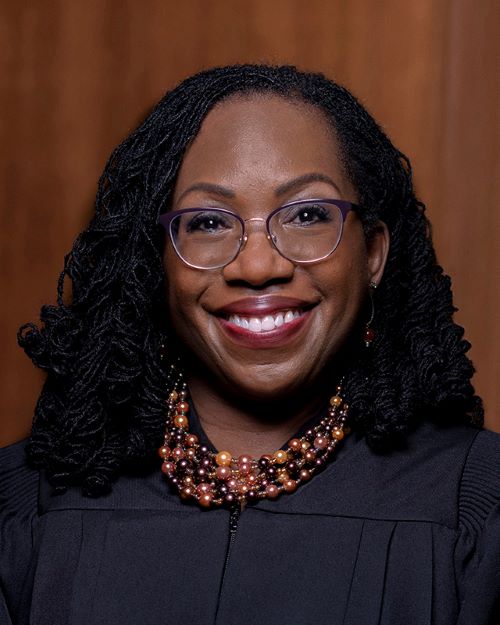
Justice Ketanji Brown Jackson “has hit the ground running,” says Ralph Richard Banks, a professor at Stanford Law School and faculty director of the Stanford Center for Racial Justice. “She seems to have already found her voice, both literally in oral arguments and in her opinions.”
Citing the 14th Amendment’s equal protection clause, the U.S. Supreme Court on Thursday struck down race-conscious admissions programs at Harvard University and the University of North Carolina.
Growing up far from the big city in Delmar, New York, I did not know many lawyers, and I certainly knew of no lawyers to emulate. Back then I would have never dreamt of becoming a managing partner in a successful law firm. But here I am, thanks to the sound advice from mentors who saw my potential and helped me forge my way.
Before Roberta Kaplan read the 2013 U.S. Supreme Court opinion that struck down a law banning federal benefits to same-sex married couples, she knew that her client Edie Windsor had won because the majority was written by then-Justice Anthony Kennedy, who had authored earlier opinions supporting same-sex rights. And there was a dissent from then-Justice Antonin Scalia, who had a history of voting against same-sex rights.