ABA Legal Ed council votes to loosen faculty, course requirements in accreditation standards


As it awaits notification from the U.S. Department of Education on its status as the national accreditor of law schools, the council of the ABA Section of Legal Education and Admissions to the Bar is easing some of its accreditation requirements.
At its quarterly meeting Friday, the council voted to eliminate the requirement that full-time faculty teach nearly all first-year classes, which will allow for using more adjunct professors; ease rules on admitting students who do not have a bachelor’s degree but who “have the experience, ability and other qualifications that demonstrate an aptitude for the study of law”; and reduce the number of required in-person credit hours for students.
“These revisions reflect the council’s deep commitment to collaborating with stakeholders to ensure our standards are consistent with our core principles and are promoting quality legal education,” Carla Pratt, council chair, said in a statement. “We’ve been working closely with our advisory committee—made up of state supreme court justices, law school deans, and other thought leaders—as well as integrating other perspectives to make revisions that are in the best interests of law students, law schools and the public.”
Friday’s meeting was the first with Pratt serving as chair after the death of chair Melissa Hart last month.
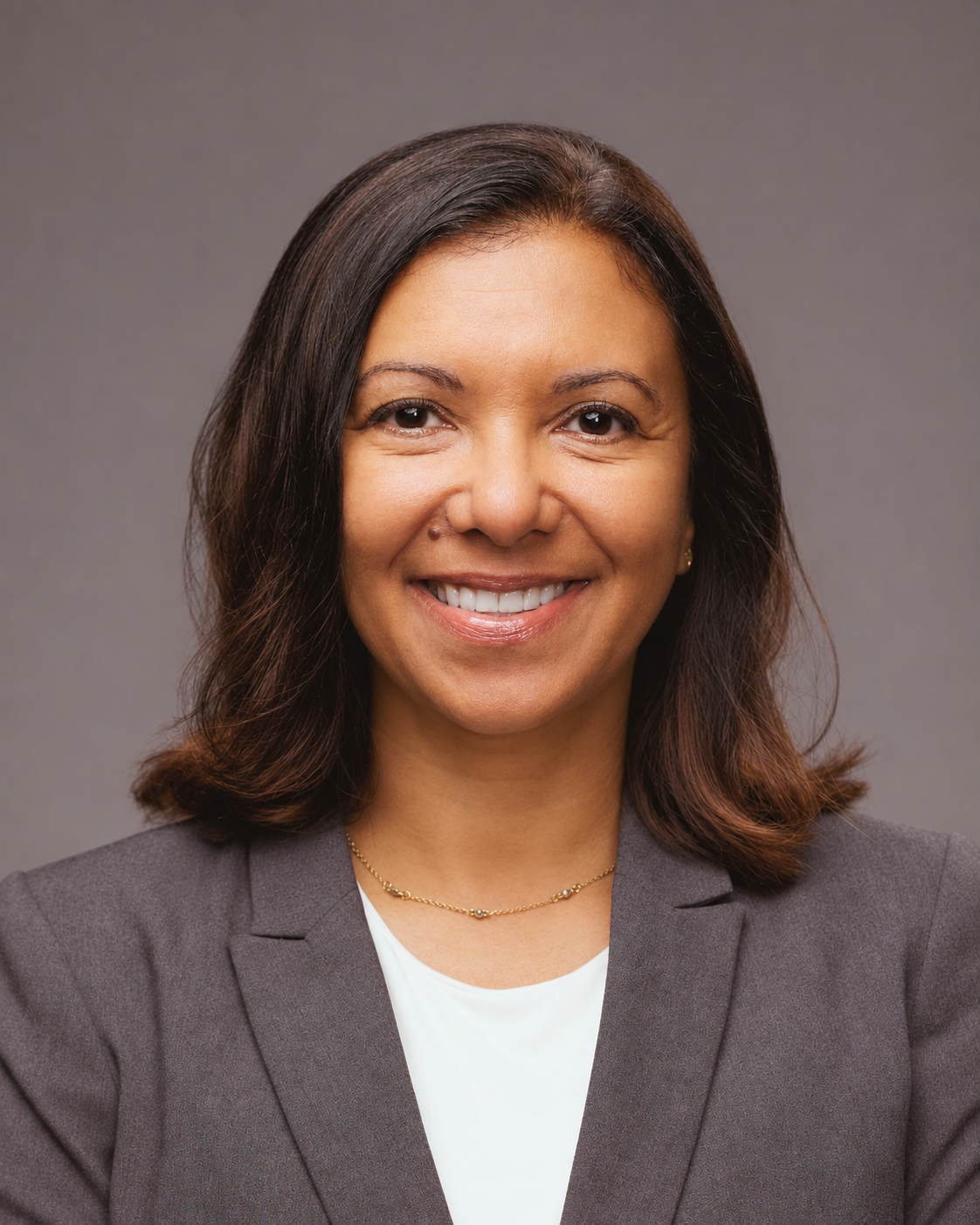 “We’ve been working closely with our advisory committee,” Carla Pratt said, “as well as integrating other perspectives to make revisions that are in the best interests of law students, law schools and the public.” (Photo courtesy of the University of Oklahoma)
While the changes had been in the works for a while, they come as a decision by Education Department Under Secretary Nicholas Kent to renew the council’s accreditor status is expected by year’s end as part of the department’s five-year review.
The changes approved Friday include modifying Standard 311 by cutting law school students’ required in-person credit hours from 64 to 48 total, giving schools greater flexibility to design remote or hybrid courses.
Another change involves Standard 502, relaxing requirements for law school applicants without a bachelor’s degree to be considered for admission if their “experience, ability, and other qualifications … demonstrate an aptitude for the study of law.”
Both standards must go before the ABA House of Delegates in February for their perspective, but the council has ultimate authority to make standards changes.
Meanwhile, changes to Standards 402 and 403 easing requirements regarding full-time faculty were approved and will also go before the House of Delegates. But a second round of revisions looking at the percentage of courses taught by full-time faculty in Standard 402 will go back out for notice and comment.
Law schools need accreditation by a nationally recognized body for their students to receive financial aid, and most states require bar candidates to have graduated from an ABA-accredited school. There are 198 ABA-accredited law schools.
The council, an independent arm of the ABA, has held the role since 1952, but has faced increased pressure from the federal government along with state supreme courts, including Tennessee, Alabama, Texas and Florida, which have cut or loosened ties with the council.
Write a letter to the editor, share a story tip or update, or report an error.