Six months ago, the American Bar Association faced a choice. Across the country, the rule of law was being tested—not just in courtrooms, but in classrooms, statehouses, and within the public discourse. Public servants were penalized for doing their jobs. There were calls to impeach judges for their decisions. There was a pattern of resistance to court orders. There was a government-wide attack on diversity. Civic norms were eroding. Threats, retribution and coarse language characterized how government officials treated those who disagreed with them. We witnessed the dehumanization of people and the violation of their civil and human rights. These all continue today.

Last week, during the second day of the bar exam, a candidate taking the test at a sports arena rented from Hofstra University collapsed, falling out of her chair shortly before the lunch break, according to a statement from the New York State Board of Law Examiners.

The founding partners of a law firm who required lawyers to pay liquidated damages for early exits should be suspended for 90 days, the District of Columbia Court of Appeals’ Board on Professional Responsibility said in a July 30 opinion.

It’s a common theme—law firm staff and attorneys juggling caregiving responsibilities in their personal lives with their careers. But Sheppard, Mullin, Richter & Hampton says it has found a way to help.

The Labubus are so popular that the elflike plush dolls produced by Chinese toy company Pop Mart have inspired a surge in knockoffs. While the intellectual property issues involving the Labubus aren’t exactly novel, the increasing acceptance of “dupes” is a new trend.

Changing the requirements for a law license and supporting financial help for public-interest lawyering are among the ways that state supreme courts can help address “staggering” unmet legal needs, according to a study by a group of state chief justices and court administrators released Wednesday.
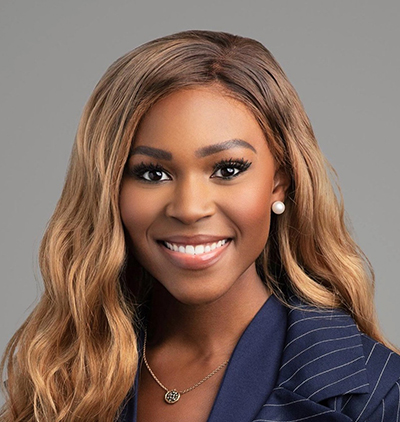
Updated: A Black female associate was “unceremoniously terminated” from McDermott Will & Emery after she complained about a “particularly harmful act of discrimination” in summer 2024, according to a July 30 lawsuit.

The U.S. Department of Justice is defending the validity of its decision to appoint Alina Habba as the acting U.S. attorney in New Jersey by first designating her as a “special attorney,” one of several efforts around the country to keep top prosecutor picks in place without U.S. Senate confirmation.

For attorneys, the move abroad can be tricky, depending on whether you’re planning on still practicing U.S. law overseas or whether you’d like to get admitted in a new country so you can practice that country’s law.

Today, the judiciary grapples with a troubling reality: Ensuring justice while living in fear of retaliation. Consequently, judges are requesting additional financial support after a recent slew of attacks and threats against them and their families.