Updated: The National Conference of Bar Examiners is carefully treading through a maze of tech challenges ahead of the July 2026 launch of the NextGen Uniform Bar Exam, hoping to ease bar candidates’ minds and keep test days free from tech-induced drama.

Some called it a circus. The Scopes trial, which ran during an excessively hot Tennessee summer, took place 100 years ago, in July 1925.

The clock was ticking for John Sarcone III, the interim U.S. attorney for the Northern District of New York. Picked by U.S. Attorney General Pam Bondi, Sarcone was slated to lead the Northern District of New York on a more permanent basis. While awaiting U.S. Senate confirmation, Sarcone needed the seal of approval by a panel of federal judges before his interim term of 120 days expired.
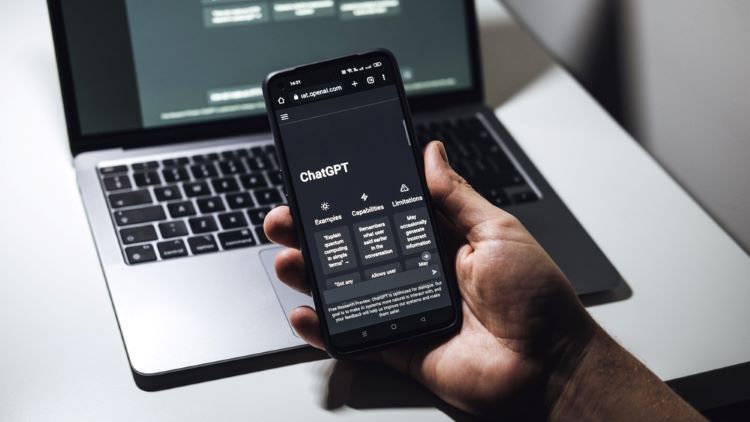
Two years after the University of Michigan Law School banned applicants from using generative artificial intelligence, the law school is encouraging potential students to use it for a supplemental essay.

Is a new Washington state law, which requires priests to report suspected child abuse or neglect, including information from confessions, an assault on the Catholic Church and thousands of years of religious doctrine and practice? That’s what the U.S. Justice Department says, asserting that it won’t sit “idly by when states mount attacks on the free exercise of religion.”

As technology evolves and improves, the National Conference of Bar Examiners could consider offering the bar exam remotely—and even possibly on demand.

The proposal to double the required number of experiential learning credits from six to 12 by the council of the ABA Section on Legal Education and Admissions to the Bar has met fierce opposition, with the majority of comments received arguing against it.

Updated: After eight years as Yale Law School’s dean, Heather Gerken will leave next month to become president of the Ford Foundation, one of the largest U.S. charitable organizations.
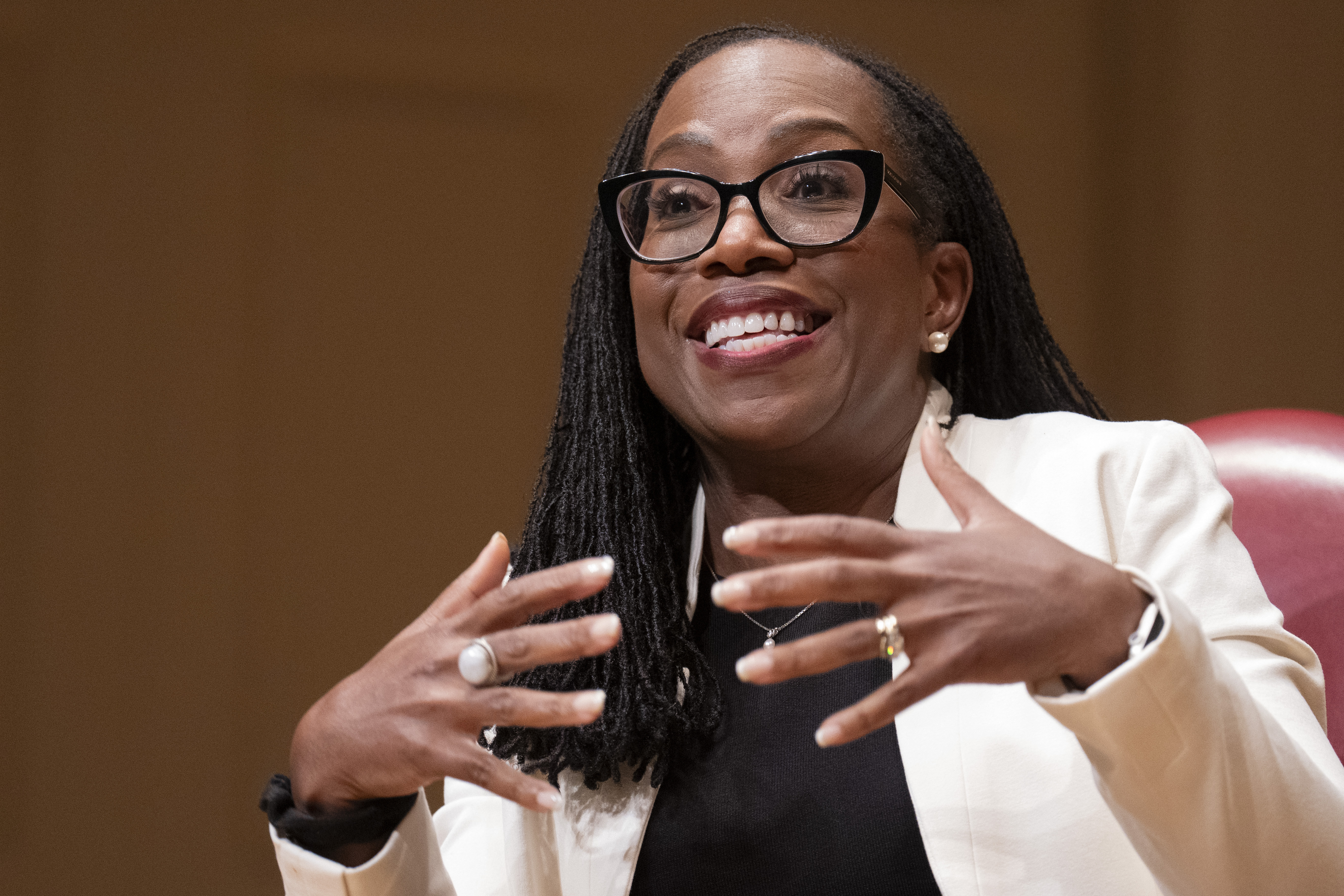
U.S. Supreme Court Justice Ketanji Brown Jackson had people talking about her dissents during the 2024-25 term.

More than 40% of 2021 graduates shifted their career goals during law school, prompted by changing interests and compensation issues, according to a Law School Alumni Employment and Satisfaction study.