


When Rebecca Bond left her position as chief of the Justice Department’s Disability Rights Section in May 2025, she knew what she wanted to do next.
“I wanted to help people understand the power that they have to impact policy by telling their stories when a rule is open for comment,” says Bond, who spent decades working with federal regulations. That taught her how important public input is in the rulemaking process and taught her that there’s a general lack of understanding as to how rulemaking affects people in simple ways.
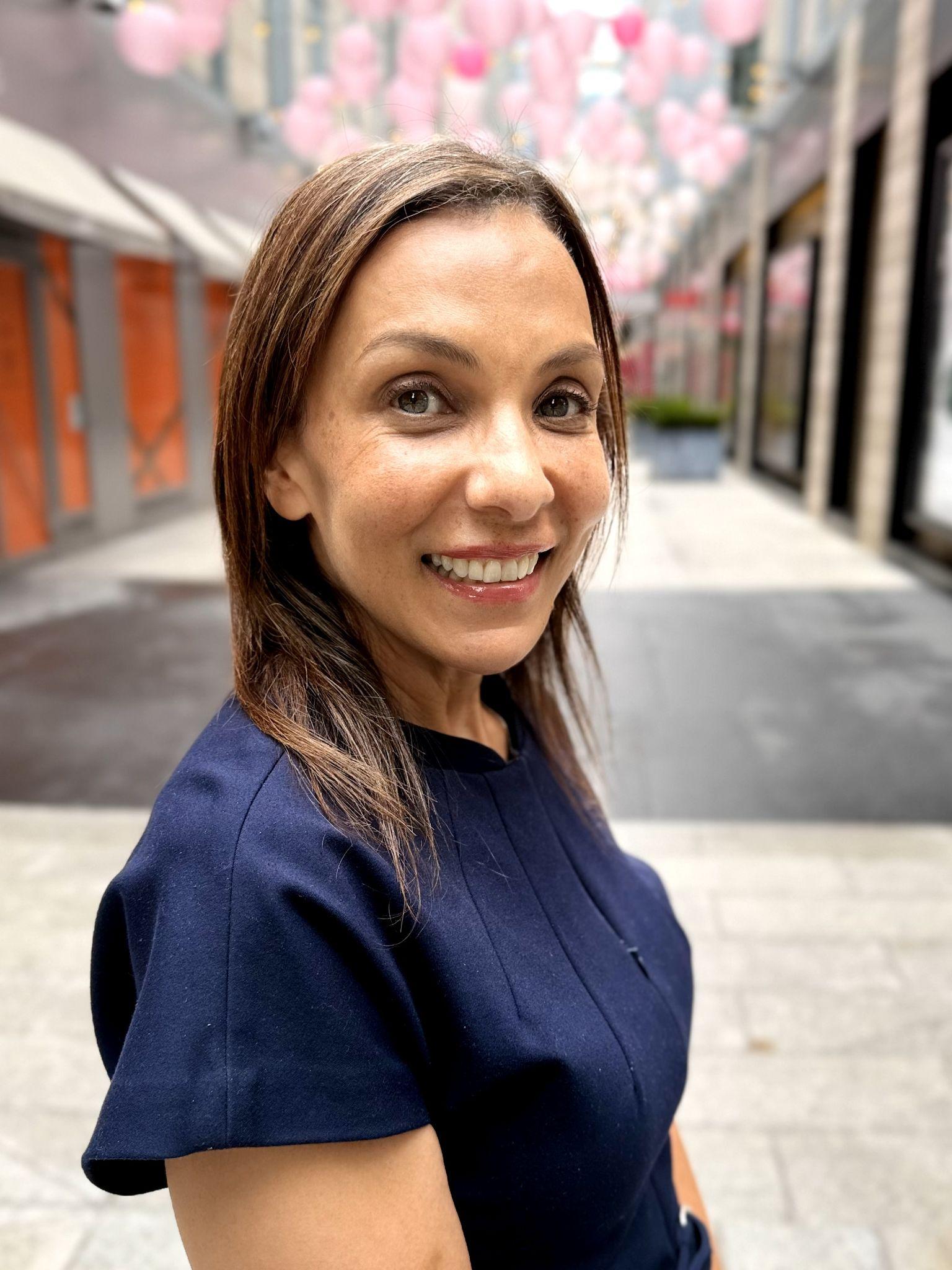
Additionally, Bond says many people don’t know that they can participate in the process. In October, she and Kristin Stitcher, former deputy chief of the Disability Rights Section, launched Public Powered Policy, a project dedicated to informing the public about the rulemaking process and empowering them to participate in it.
They were joined initially by a former paralegal who has since started attending law school and now serves as an adviser.
“Our goal is to reach a large swath of people, not just lawyers,” says Bond, who serves as the project’s executive director. “We are trying to reach the teachers in Missouri and the potato farmers in Idaho.”
A podcast, Regularly Speaking, marked the group’s launch. It focused on the Federal Trade Commission and what responsibility online platforms should have when scammers use their advertising tools to impersonate banks or government agencies. The show is available on Apple, Spotify, and YouTube.
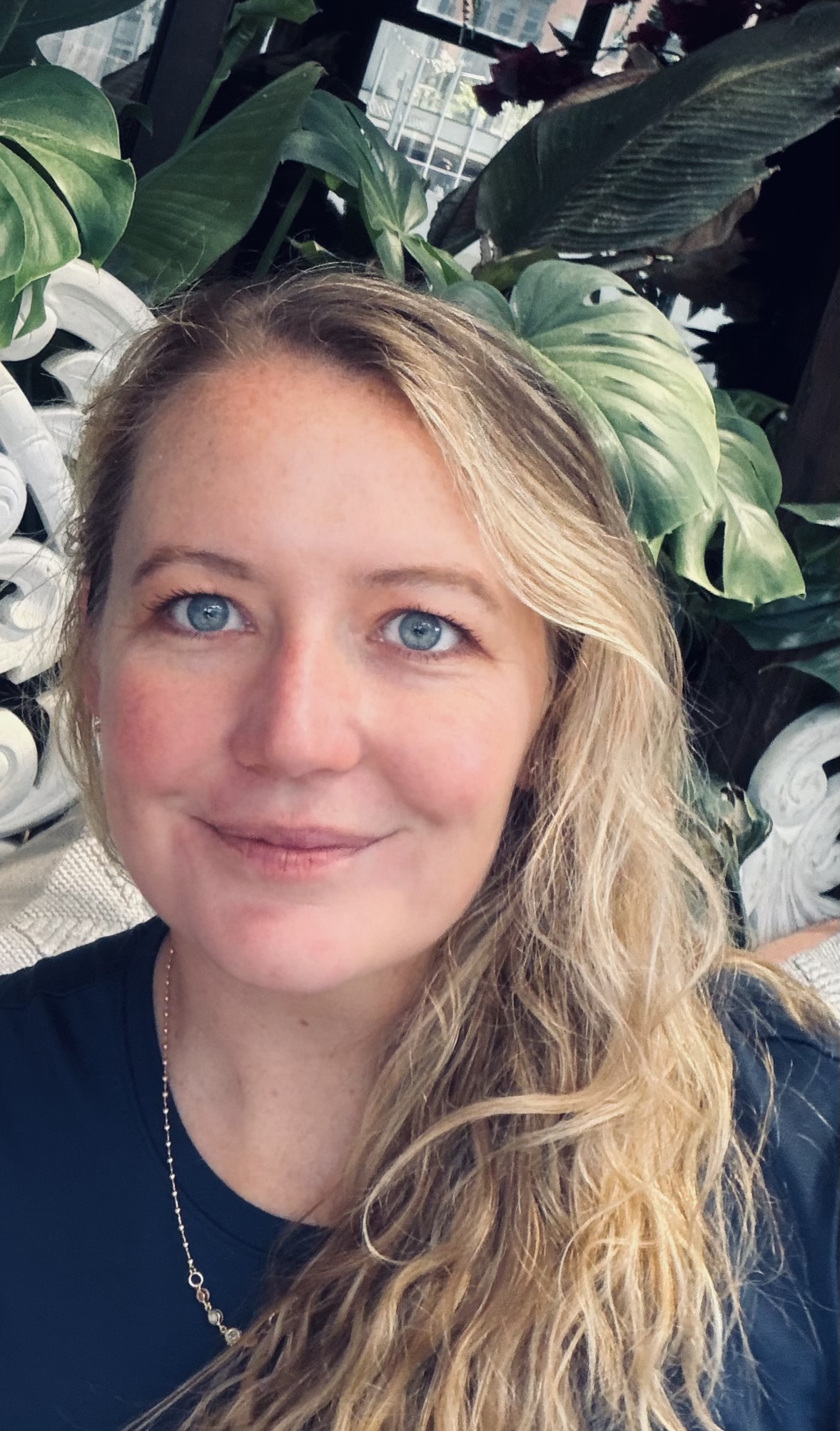
Stitcher says that while rulemaking can sound dull, it’s astonishing how much it impacts people’s day-to-day living.
Rules “can affect the quality of your water and air, what’s in your kids’ school lunches, and what transportation is available to you,” says Stitcher, the group’s director of policy and programs.
The group also communicates timely information about upcoming rules via Instagram reels, using the handle @publicpoweredpolicy. And Bond and Stitcher plan to educate the public through writing opinion pieces and training grassroots organizations.
Public Powered Policy is sponsored by the Social Good Fund, a California nonprofit. Bond also received a Leadership in Government Fellowship administered by Assets Under Movement, and the project welcomes individual donations.
The Public Powered Policy website explains the basics of how the administrative rules are written, the process for draft versions, and how to participate in public comment and make an impact.
Someone giving specific feedback about “lived experience” can influence what a rule ultimately says, according to Stitcher and Bond.
“Our goal is not to tell people what to think or comment, but to give them the information on how to comment and let them decide how they want to do that or if they want to do that,” Stitcher says.
Stitcher advises people commenting on rules to simply tell their stories with as much personal detail as possible.
“You are the expert in your own life,” Stitcher says. “They won’t know unless you tell them.”








