

Lawyers sometimes take unusual paths to the profession, but adoption lawyer Robert Noone’s was inspired by men of the cloth. After attending St. Mary’s Seminary in Baltimore, he was helping an order of Jesuits assist the residents of Appalachia with community organizing and voting issues. The priests encouraged Noone to enter law school instead of the priesthood because they thought he could better advocate for social change as an attorney.
To support himself through West Virginia University College of Law, he played guitar in bars. After graduating in 1983, he did labor law and personal injury work at Crandall & Pyles, and by 1989 he decided to open his own firm, Robert Noone Legal Services, where he represented children as a guardian ad litem in abuse and neglect cases and as a juvenile defense attorney with cases that ranged from truant kids to kids who kill. He also handled some adoption cases in West Virginia. He now focuses on adoption services in West Virginia and Alabama.
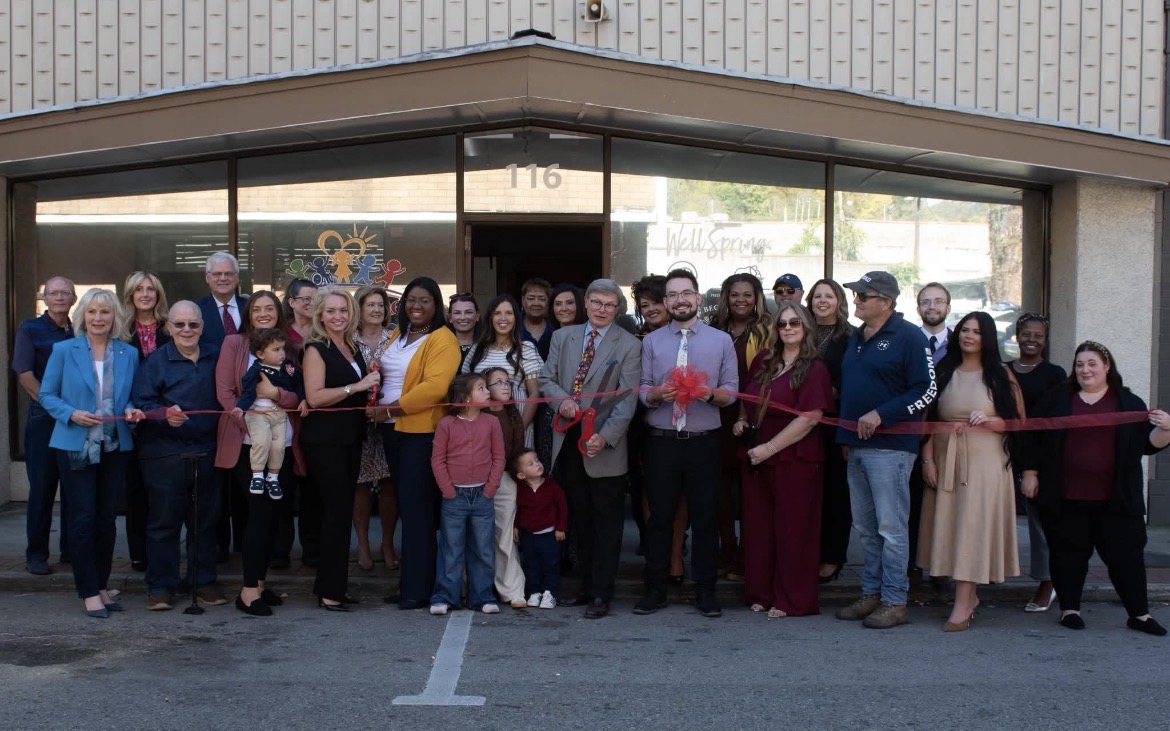
In 2024, he signed over the deed to his 5,000 square-foot building in Logan, West Virginia, and renovated the building for its new tenant. and this month, ChildLaw Services Inc.—a statewide nonprofit law firm that exclusively works with children by offering life skills and educational programs and legal help for juvenile defense, guardianships and other services—moved in. The nonprofit law firm named the building the Noone ChildLaw Center for Children and Teens.
ChildLaw helped Noone with his work over the years, and he later became a “virtual lawyer”—performing almost everything online and meeting people by video, at their homes or inside local fast-food restaurants. He plans to continue adoption work without an office.
“He has always had a love and heart for children, so we’ve teamed up over the years on projects. He’s been a good friend,” says Monica Holliday, ChildLaw Services’ executive director.
Where you really considering becoming a priest?
Yeah, let's not say that loud. I'd been in a minor seminary, then a college seminary and then getting ready to go into theology. The Catholic education back in the liberal days, they tell you to question everything. And I think I questioned myself right out of a religion. And I went to work with the Jesuits.
Why after making partner at Crandall & Pyles did you decide to start your own firm?
I had a judge tell me: “Bob, I've watched you for a while. It's time for you to, you know, venture out on your own.” And that gave me confidence. And, you know, a lot of encouragement from friends. And what I would not want to write down, though, in a labor law firm, I was probably paid less than my secretary.
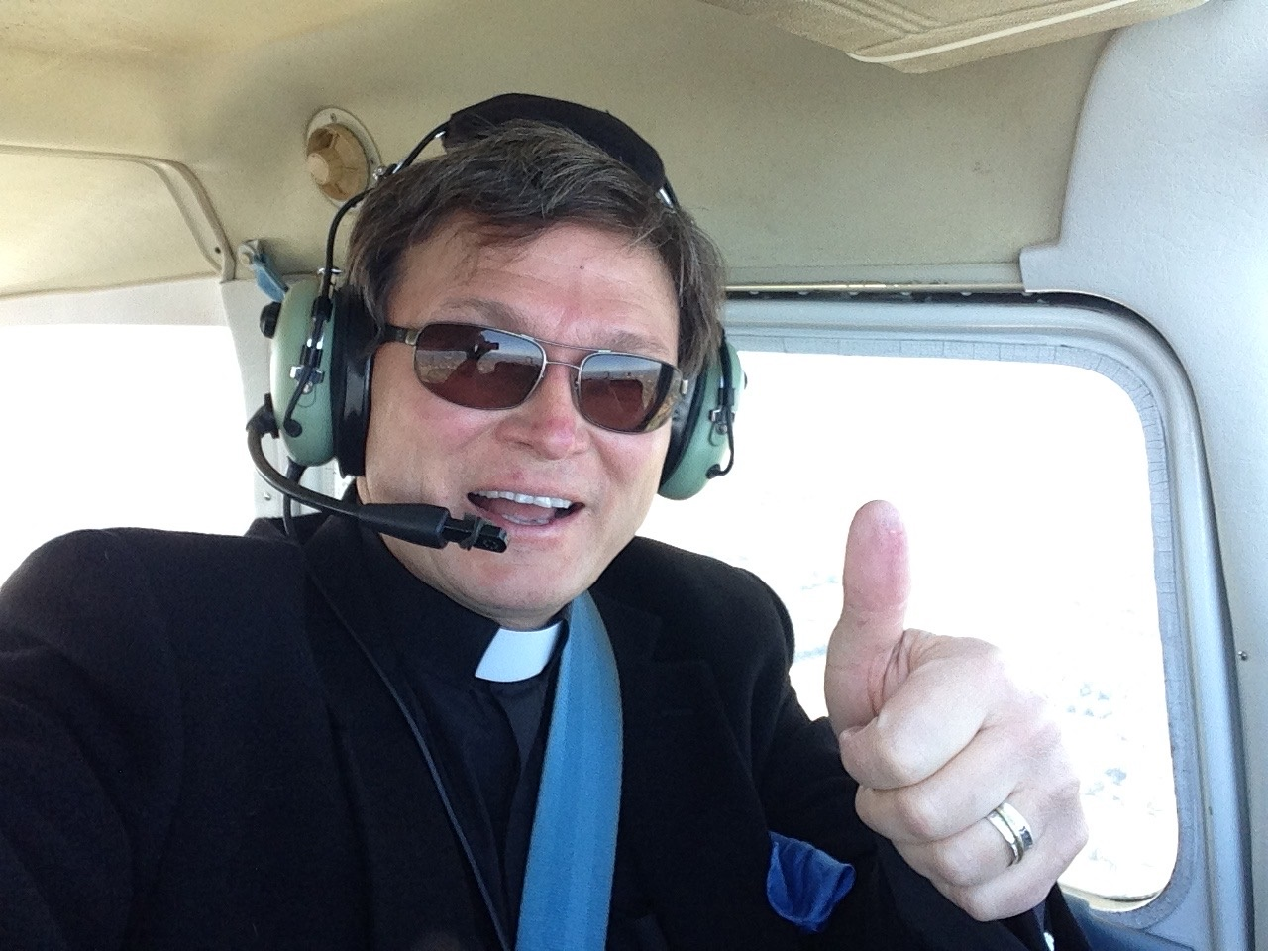
Is it true you wear the hats of both an airplane pilot and the Rev. Bob Noone, officiating marriages, including same-sex weddings?
I would meet people at airports and perform them there, but also I did a lot just in my office. I wanted people to feel that it was not just a “drive-by” wedding. Or “fly-by,” as the case may be. I always made them tell me their love story, and I would shape the vows from what I learned. That was fun when the South was so resistant to change. … Now acceptance of LGBTQ has gotten better here.
You worked as a guardian ad litem during your career and then decided to just focus on the legal work around adoptions. Why?
You get to that point. Where you hear your last sad story: that mother who wouldn't see her kid because, oh, she forgot to go pee in a jar. And I hit that point a few years back, and I decided I'm just going to help put kids in homes.
You are a music lover and have been in many bands as a performer. But you have a story about a young lady who was skipping school who also, you discovered, had some hidden musical talent.
This would have been around 2009. I was doing a lot of juvenile work then, and she was truant. I said, “What do you do for fun?” And she was big. She quit going to school because she was so overweight. And she said, "Well, I love to sing." I’m thinking she would name Pink or Gwen Stefani or one of these people. She goes, “Aretha Franklin.” Well, she did great. But the real kicker was, I said, “If you go to school”—this was in like April—"the next two months without missing, you'll get to sing with my band, Daddy Rabbit."
How many adoptions have you helped with over the years?
When I count all those I supervise—I have two lawyers now that work with me—probably a little over 2,000.
Do you plan to retire anytime soon?
In West Virginia last week, there's one point the three of us may be in four or five different counties in one day. People thought after 43 years, I'm giving a building away, I'm retiring. Hell to the no! I'm only 69, people. There's a lot of music left to play, cases to argue.
What kinds of challenges do you help navigate for people wanting to adopt?
In West Virginia, we do our same-sex adoptions, but we also do adoptions for people that aren't married. You know, just to clarify, because [the law] says a single parent can adopt or a married couple—husband and wife—but it doesn't say a single parent. And Alabama, in fact, passed a law that specifically forbids two single people from adopting. Go figure that out.








