

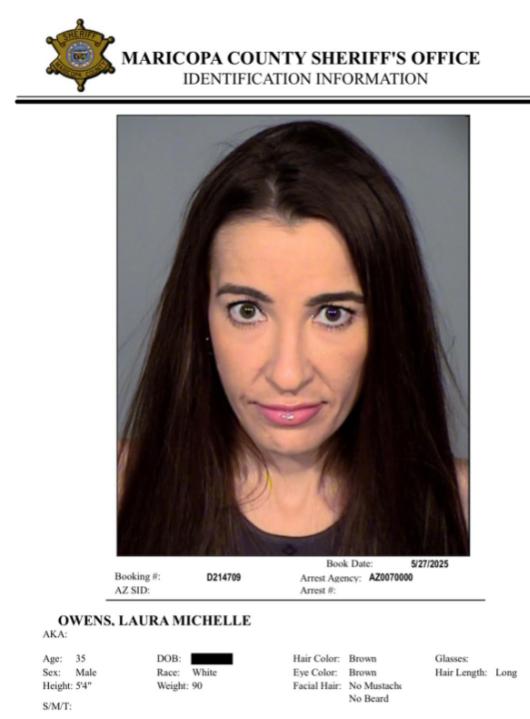
In a case that received national attention, Laura Owens, a Scottsdale, Arizona, podcaster, was accused of stealing an ultrasound photo and altering it as part of her scheme to pretend to be pregnant and manipulate men, including reality television star Clayton Echard, who starred in Season 26 of The Bachelor.
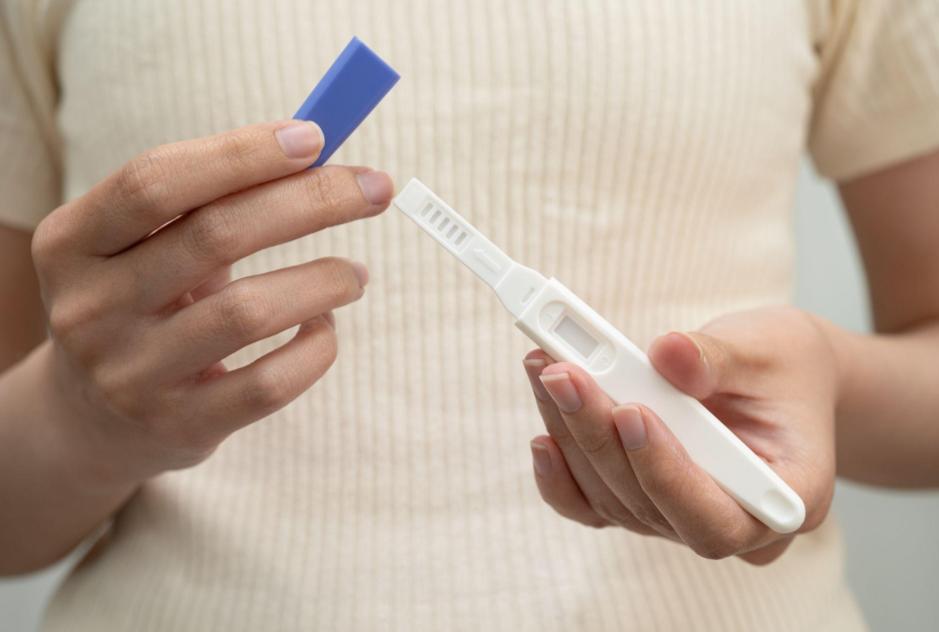
Owens was also accused of injecting herself with hormones to get a false positive result on a home pregnancy test, as well as faking her pregnancy in a video.
After pleading guilty in August to felony counts that included fraudulent schemes and artifices, perjury and identify theft, Owens was sentenced in October in Maricopa County Superior Court to 30 days in jail and seven years of probation.
During the hearing, Owens said she was “profoundly, profoundly sorry for the pain, distress and expense” that she caused her victims, which included men besides Echard.
Pregnancy fraud, where women often try to elicit money from men they claim fathered their children, can usually be characterized as “short-term extortion,” says Gregg Woodnick, a Phoenix lawyer who represents Echard.
He adds that the victims are often wealthy and don’t want a sexual infidelity or fling revealed.
“It’s unbelievably rare to get a prosecution like this because you need a victim who is willing to reveal intimate details about his life,” Woodnick says. “Usually, men are embarrassed by what happened.”
Jody L. Madeira is a law professor at Indiana University Maurer School of Law, where she specializes in fertility fraud and bioethics. Madeira says that cases of pregnancy fraud can involve extortion or even “crowdfunding for a nonexistent baby.”
Women also sometimes pretend to be pregnant to then fake a miscarriage and get sympathy for the loss, according to Madeira.
She notes that state laws for fraud and theft by deception tend to adequately allow for prosecution over a faked pregnancy, but generally cases aren’t pursued unless there’s tangible forged evidence done in pursuit of a larger scheme.
She also says there’s easy access to hormones that simulate pregnancy due in part to an underground fertility drug market for women trying to get pregnant.
Owens, who also co-hosted a self-help podcast with her mother, and Echard had one brief intimate encounter in May 20, 2023. According to Woodnick, it didn’t involve sexual intercourse.
She then claimed to be pregnant with twins fathered by Echard. She filed for paternity and child support from Echard.

Prosecutors began investigating her for pregnancy fraud after a referral from the family court judge handling the paternity case.
Owens was the subject of a 2026 podcast, Love Trapped. A four-part documentary based on the podcast will stream on Peacock in 2027.
The Maricopa County Attorney’s Office declined to comment. Christian Lueders, Owens’ most recent attorney, did not return requests for comment.
Jill Hasday is a professor specializing in domestic violence and family law at the University of Minnesota Law School.
Her 2019 book, Intimate Lies and the Law, examines how courts and legislatures avoid remedies for deception in dating, marriage and family life because of a reluctance to interfere with individuals’ intimate relationships.
In cases involving reproductive fraud, such as a woman lying about being on birth control pills, courts tend to focus on supporting children even if they were conceived through deception, Hasday says.
With pregnancy fraud, there’s no child to support, but courts still tend to hesitate to get involved, according to Hasday.
“If a court is convinced that in fact there wasn’t a real relationship, it is more likely to treat it as fraud,” Hasday says.
She adds that pregnancy fraud is often not taken seriously in the legal system because people blame the victims, saying they “should have known better.”
“It’s very comforting to believe that only the naive and stupid can fall” for pregnancy fraud, Hasday says, “but anyone can be deceived.”








