As it has done to other professions within the business community, the coronavirus pandemic has severely disrupted normal functioning in the field of law. From closed courtrooms to quarantined clients, we are dealing with a new and challenging set of issues. But with the right planning and a strategic approach, we can overcome these obstacles and continue to effectively serve our clients.
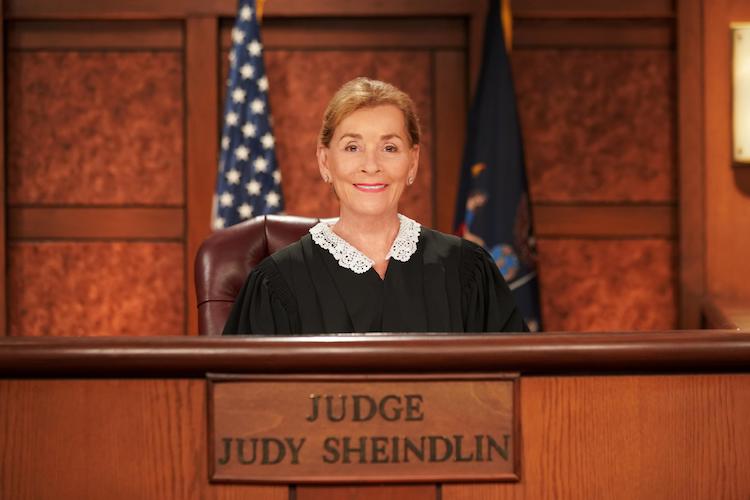
In 1987, Judge Judith Sheindlin of New York County Family Court terminated a couple’s parental rights to their two young children. The mother had shown no interest in raising them. Their father had been incarcerated for several years, and his release was many more away.
As America is left reeling from the violent insurrection at the U.S. Capitol, the infamous last days of Donald J. Trump’s presidency will be remembered for lawlessness, incitement and a bloody coup attempt by a right-wing mob.
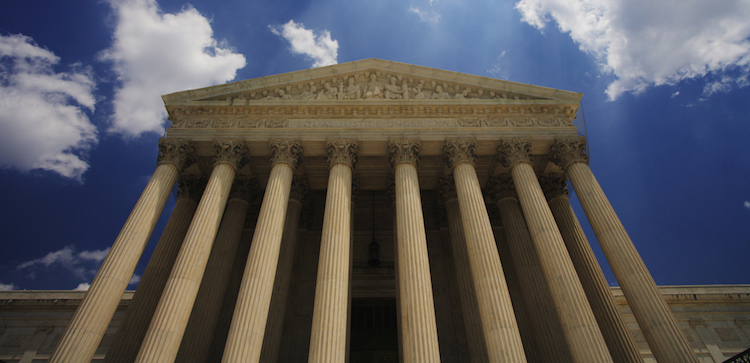
At the end of 2019, I attempted to look ahead to what to expect in the U.S. Supreme Court in 2020. Of course, the most important stories—the COVID-19 pandemic and how it changed the court, the death of Justice Ruth Bader Ginsburg, the confirmation of Justice Amy Coney Barrett—could not possibly have been foreseen.
The U.S. Supreme Court was thrust to the forefront of public attention this fall, from arguments in major cases on religious rights, the Affordable Care Act and the U.S. census, to repeated emergency applications involving state COVID-19 restrictions and the presidential election.
According to the U.S. Census Bureau, there are more than 400,000 women lawyers in America today, and women comprise more than 36% of practicing lawyers. Women are working at all levels of practice and in every specialty area. They are smart, competent, thorough, dedicated and much more. But that does not mean it is easy for any of them.
Everyone, I am sure, will be glad to bid farewell to 2020 and looks forward to better things in 2021. As the year draws to a close, the COVID-19 pandemic is surging with a catastrophic loss of lives and serious illnesses, but there is the hope of vaccines soon becoming widely available. What were the most important stories about the U.S. Supreme Court during this plague year?
No matter how you look at it, 2020 has been a year to remember. It began with the Australian bushfires (remember those?). Then over the span of just a few months, Kobe Bryant died in a fiery helicopter crash, President Donald Trump was acquitted of impeachment charges, and Harvey…
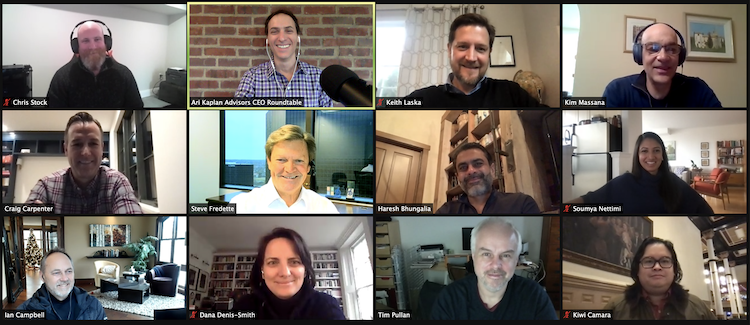
One of the initiatives that Ari Kaplan Advisors launched in 2020 was a periodic Zoom-based CEO roundtable to discuss trends, challenges and objectives with market leaders.