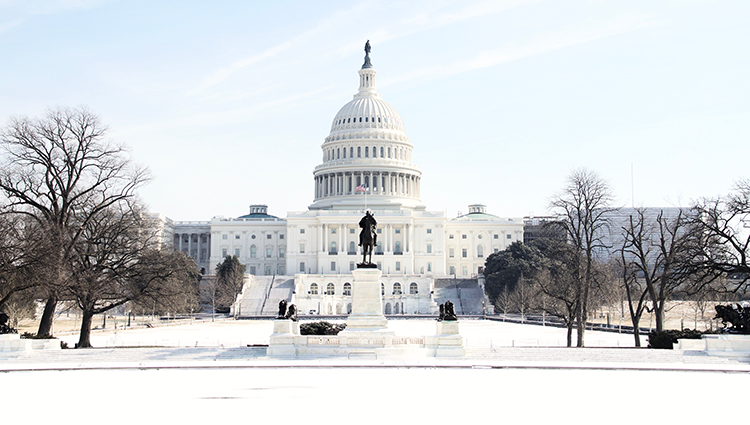
The first session of the 116th Congress started in 2019 with a politically divided government and the longest federal government shutdown in history. It ended with the impeachment of the president by the Democratic-led House of Representatives. The second session started in 2020 with the Republican-led Senate acquittal of the…
Per curiam decisions handed down without briefing and oral argument generally do not get much attention, so it is understandable that the U.S. Supreme Court’s ruling about qualified immunity in Taylor v. Riojas might have been overlooked, even by civil rights lawyers.
There is a temptation to part company with the challenges and disappointments of 2020 and move full speed ahead into 2021 without looking back. As lawyers, however, we should not forget what we learned from the past year. Rather, we need to make some serious New Year’s resolutions. In 2020,…
Many of my columns in this series come from unexpected places. Recently, I was watching a sporting event when an advertisement for the new National Geographic channel series Trafficked aired. As is often the case, I paused the game, pulled up my viewing guide and clicked “record.” I wanted to…
On Dec. 9 and 10, the ABA Section of Civil Rights and Social Justice Rights of Immigrants Committee hosted a two-day policy summit exploring some of the most pressing civil rights issues confronting our nation. In a strategic partnership with the German Marshall Fund, a public policy organization, the ABA began its exploration of interpersonal, institutional and structural discrimination with the virtual session titled "Structural Racism Is Killing Us. Now What?"
As it has done to other professions within the business community, the coronavirus pandemic has severely disrupted normal functioning in the field of law. From closed courtrooms to quarantined clients, we are dealing with a new and challenging set of issues. But with the right planning and a strategic approach, we can overcome these obstacles and continue to effectively serve our clients.
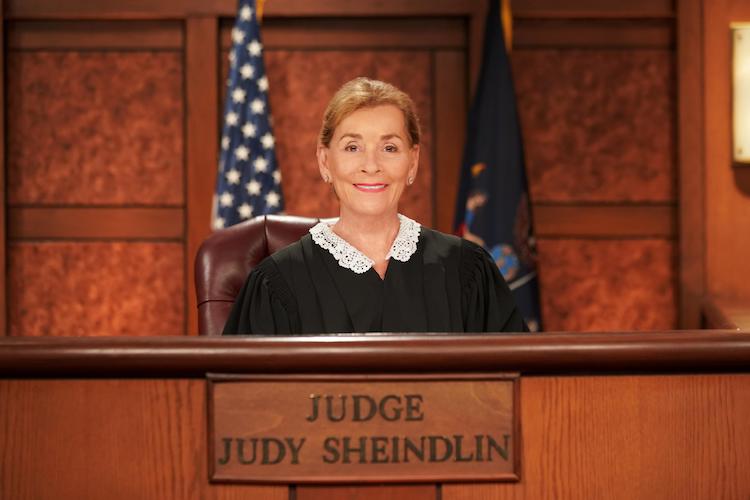
In 1987, Judge Judith Sheindlin of New York County Family Court terminated a couple’s parental rights to their two young children. The mother had shown no interest in raising them. Their father had been incarcerated for several years, and his release was many more away.