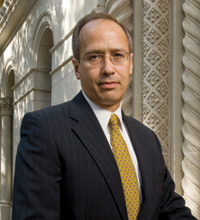

In the aftermath of 9/11, lawyers at New York’s Harris Beach don’t practice law the same way they once did

From Sept. 11, 2001, through March of this year, federal investigators have interviewed more than 15,000 “persons of interest” in connection with activities investigators associate with terrorism—including such diverse crimes as passport and marriage fraud, money laundering, drug smuggling and the purchase of weapons of mass destruction.




The Bush administration lawyers who created the blueprint for the legal war on terror

Defense attorneys who have tried terrorism cases score the legal system’s response to 9/11

Muslim-American attorney Ashraf Nubani dreams of building an ordinary law practice. Meanwhile, there are terrorists—alleged and otherwise—to defend.

Imagine Osama bin Laden is captured by U.S. forces on the Afghan-Pakistan border. He’s transported to the federal Metropolitan Correctional Center in lower Manhattan—blocks from the World Trade Center site—where he has been under indictment for the 1993 attacks on U.S. troops in Somalia and the 1998 bombings of U.S. embassies in Kenya and Tanzania.