Double Dedication: Lawyer and sister balances religion and legal practice


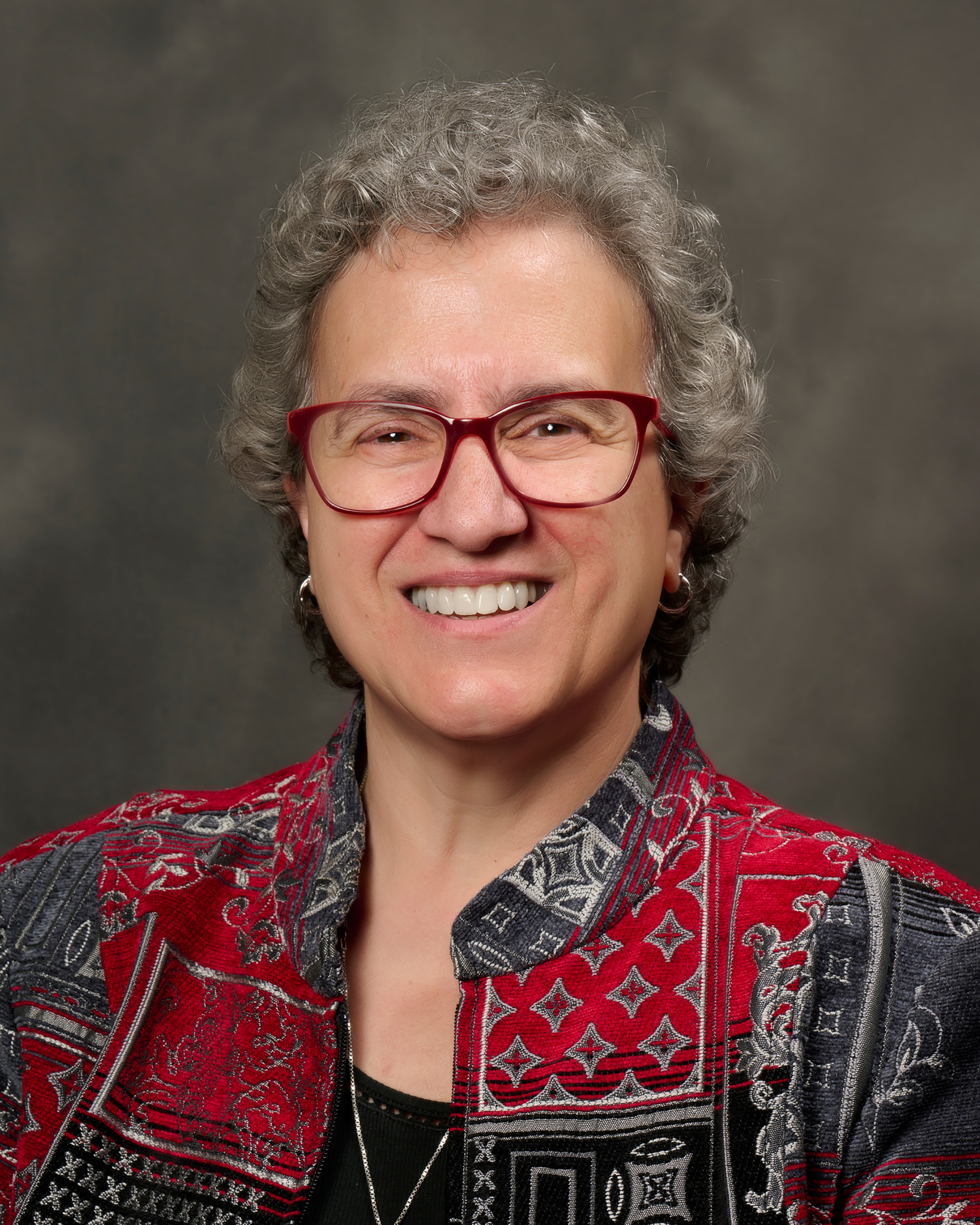
As Sister Debra Sciano puts it, she was called to the legal profession before she was called to religious life.
“Growing up, my dream always was to be a lawyer and work with families and children,” says Sciano, 68.
But after joining the School Sisters of Notre Dame when she was 19 years old, Sciano found that she could dedicate herself to religious and legal practice.
She worked between 1988 and 2001 as a Wisconsin assistant district attorney representing children in need of protection and services, as well as handling cases involving enforcing child support. More recently, Sciano became a certified family mediator helping families navigate divorce and custody issues.
But even while practicing law, she lived in a convent, or as she calls it, a “community,” and followed her vows of gospel poverty, consecrated celibacy and apostolic obedience.
Last month, Sciano became the president of the Leadership Conference of Women Religious, an organization representing about two-thirds of the nearly 35,000 Catholic sisters in the United States.
Her role in leadership “has been a blessing,” Sciano says. “Hopefully, in little ways, I’ve been able to help others.”
Her term as the president lasts a year. Last year, she worked as the president-elect.
As the president, Sciano helps ensure that the conference is a resource and support for the congregations that it represents. She also facilitates collaboration among members and with other religious networks. The conference is grappling with questions for “emerging religious life,” such as an aging population, she says.
Her experience in family mediation has helped shape her ability to encourage discussion and navigate complex issues with the goal of bringing the conference to a place of unity, Sciano says.
She adds that her background in law has been “extremely helpful” to her in her leadership roles. In her work with the conference, legal issues come up all time, such as when they are discussing selling a property.
“Almost every day, I put on my legal hat,” Sciano says.
‘Heartbreaking’ cases
Sciano grew up in Milwaukee and attended the University of Wisconsin at Milwaukee, graduating with a bachelor’s degree in criminal justice in 1981. She worked in community organizing and then went to live in a convent in Miami while she attended law school at the St. Thomas University College of Law, graduating in 1988.
When she moved back to Wisconsin, Sciano was able to focus on helping children in her role as an assistant district attorney for Milwaukee County, Wisconsin.
She says she loved her job, “but of course, it was heartbreaking to see the worst of the worst cases, the ones with abuse and neglect … the most vulnerable, children, being treated poorly.”
“It was a lot of hard work, but it was important work,” Sciano says. “We saw a lot of death and injuries. I met with kids and families that I will never forget.”
Leadership roles
Worldwide, the School Sisters of Notre Dame congregation has more than 1,700 sisters.
The congregation is an apostolic community with ministries that include education and social justice work, Sciano says. She says in general, sisters are outwardly engaged, while nuns are engaged in contemplative life in monasteries.
Before Sciano’s current leadership role, she worked as the provincial councilor and then as the leader for what was then the Milwaukee province of her congregation. Later, she returned to work as the provincial leader for the Central Pacific province, managing property assets and spiritual alignment for the sisters in a region that spans Dallas, Guam and Japan.
In March, Sciano met Pope Leo XIV at the Vatican for an “open, honest and wonderful sharing” about life in the United States and their concerns. Sciano, an avid baseball fan, brought him a personalized Chicago White Sox jersey, even though she roots for the Milwaukee Brewers.
Write a letter to the editor, share a story tip or update, or report an error.