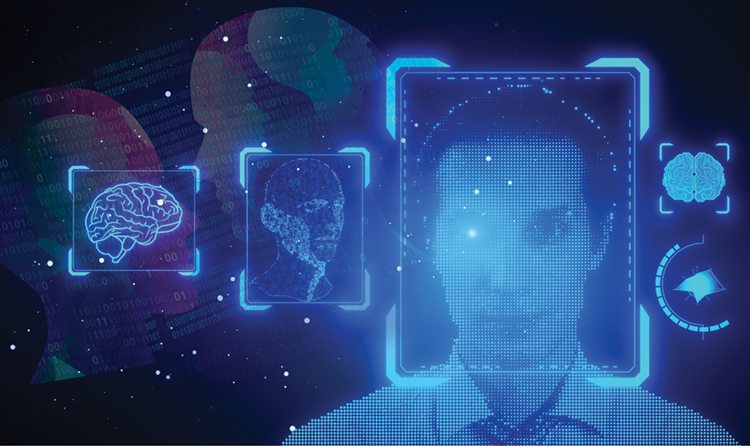
There’s nothing fake about it. The legal industry is facing a big problem with deepfakes. Courtrooms are not yet flooded with a tsunami of deepfake evidence, but with this artificial intelligence-generated technology playing with great success on social media and in fraud schemes, it’s only a matter of time before deepfakes regularly drop into the exhibit list.
Last fall, I attended a continuing legal education conference focused on sex crime defense and an outstanding speaker—who discussed the emerging field of forensic genetic genealogy—mentioned The Genetic Detective, a six-episode reality TV series that aired on ABC in 2020. The reference came from a credible source, so I figured it was worth viewing.
We all appreciate a showing of gratitude when we do good. But how often do we get it from our clients? Let me share some of my experiences that often made my day, while trying to manage the usual three-ring circus most lawyers experience. I’ll start with George. George owned…
Historically, the legal profession has been slow to embrace emerging technologies. E-discovery software, however, was an exception, largely because Congress amended Rule 26(f) to the Federal Rules of Criminal Procedure, which required its implementation. While e-discovery adoption was not always enthusiastic, it was notable, representing one of the first times legal professionals truly leaned into modern technology.
Ari Kaplan recently spoke with Lynn Tubalinal, the director of litigation support at Dykema, and Julia Voss, the director of litigation support and e-discovery at UB Greensfelder.
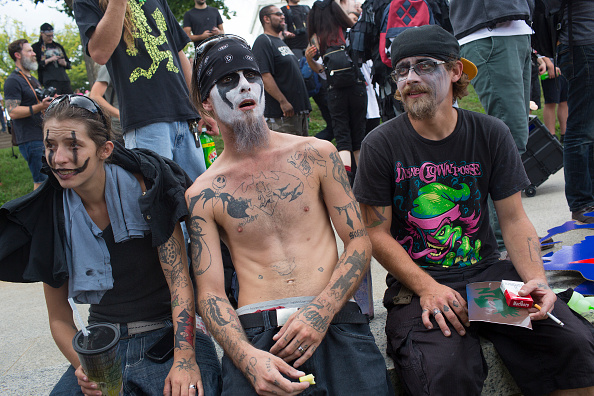
“People hate what they don’t understand.” The United States of Insanity embodies this mantra, and if you watch the film, you’ll hear these wise words uttered by a man in clown face paint. But maybe that’s part of the point.
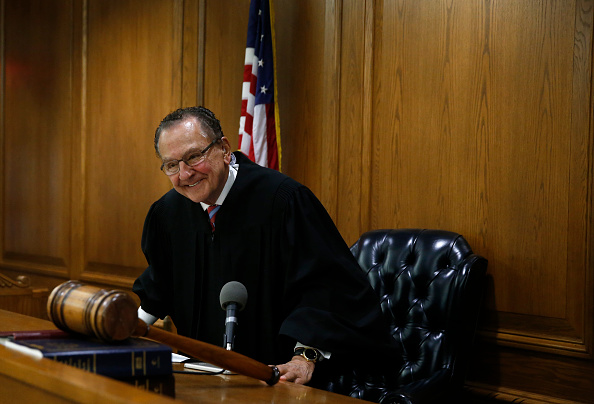
Jenna Bettez, an elementary school teacher, stood before Judge Frank Caprio in Municipal Court in Providence, Rhode Island. She was there for two unpaid traffic tickets issued to a car registered in her name. Her children were in her arms: a young son, Luke, and a baby named Bella.
The U.S. Supreme Court’s decision on Jan. 17 upholding the federal law banning TikTok continues a long history of judicial deference to claims of national security. The ruling upholds a federal statute that bans a medium of communication that is used by more than 170 million people in the United States. The speech of all who generate content for it and all who receive it is restricted by this law. It is difficult to think of any law in American history that restricted so much speech for so many people.
As the dust settles from the 2024 election, the political landscape in Washington, D.C., has undergone a significant transformation. The Republican Party now controls all three branches of the U.S. government, marking a pivotal shift in governance and policy direction.