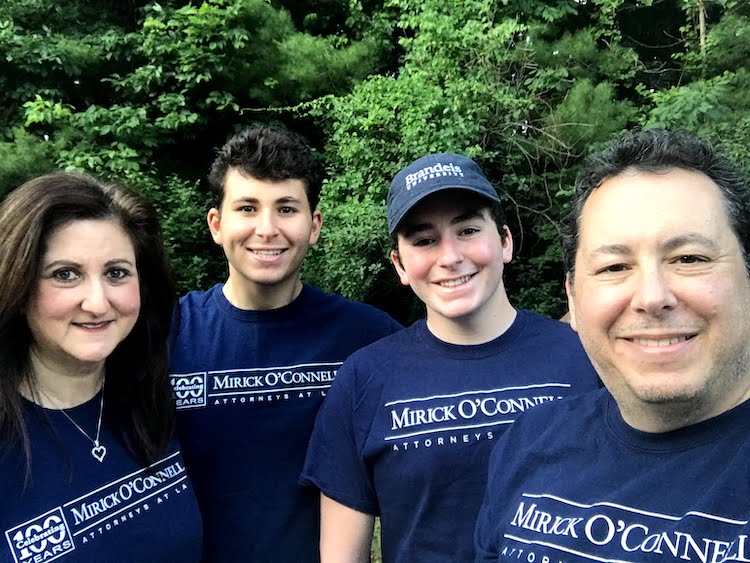
Elizabeth Greene had been practicing with Mirick, O’Connell, DeMallie & Lougee in Worcester, Massachusetts, for two years in 1997 when she heard about a new opportunity. She received an email from a partner who volunteered with the American Heart Association but was moving on to other projects. He told her the organization wanted to rekindle its presence in central Massachusetts and needed someone’s help.

Shortly before the Jan. 6 riot started at the U.S. Capitol, John Eastman spoke at a rally for then-President Donald Trump, enthusiastically sharing his theory that there was cheating in the November and January elections. According to him, there were “secret folders” placed inside voting machines filled with ballots to be matched with registered voters who did not cast their ballots.
Despite reports from federal courts of in-person jury trials being held safely, many judges across the country are still deliberating whether to hold in-person jury trials at all.

Heirs’ property is considered a vestige of the Jim Crow South, where unsophisticated property owners without the means or ability to hire a lawyer—or with a justifiable distrust of the courts—divvied up their assets informally, creating “interests” for descendants.
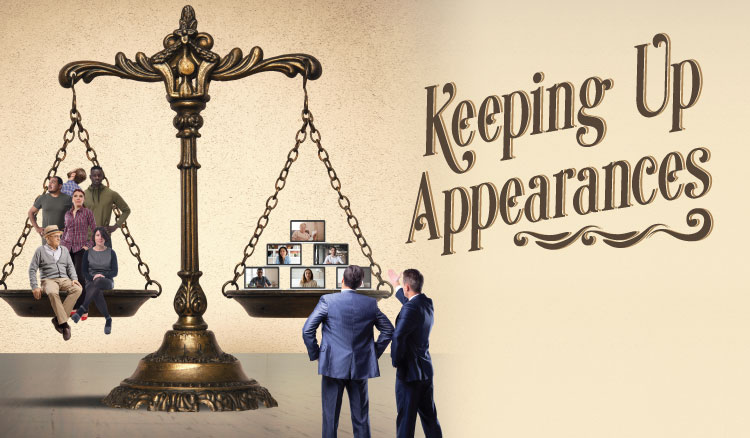
Before the coronavirus pandemic, the judiciary was slow to innovate and resistant to virtual proceedings. Now courts are using every tool at their disposal, balancing safety with the need to keep the wheels of justice spinning.

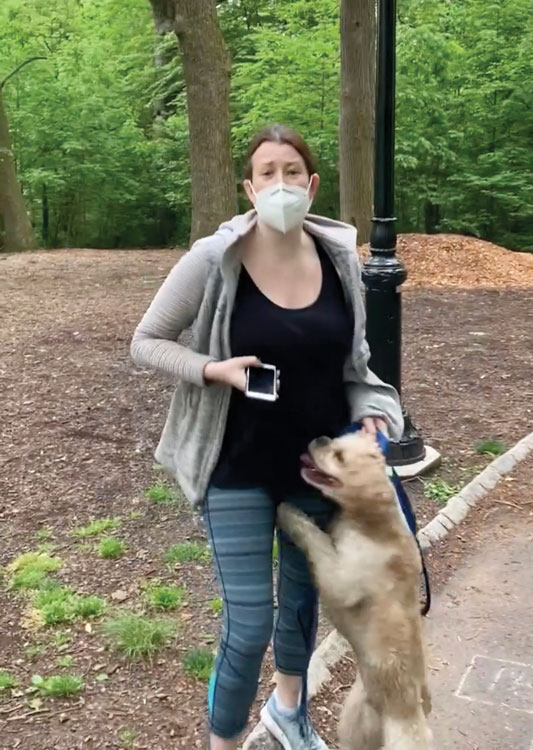
Rep. Janelle Bynum, a Black member of the Oregon House of Representatives, was inspired to sponsor a bill against racial profiling in 911 calls after someone called the police on her as she went door-to-door in a Portland suburb to speak to constituents in an effort to keep her seat in the state house. The incident prompted her to co-sponsor a bill to deter biased 911 calls, allowing civil claims for up to $250 in damages.

For this year’s class of Legal Rebels, the ABA Journal and the ABA Center for Innovation have chosen to highlight judges, lawyers and legal professionals who have helped bring about changes to the judicial system.
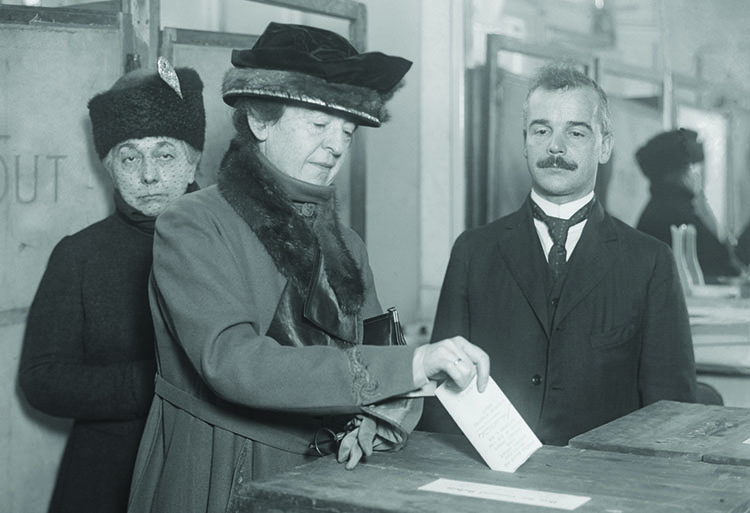
The 2020 display of female political power came in the centennial year of the 19th Amendment to the U.S. Constitution, passed by Congress in 1919 and ratified by two-thirds of the states in 1920, which granted women the right to vote. It was a fitting coda to a 100-year-old story about women achieving access to the ballot box.

Over the years, many attorneys shelled out thousands of dollars to spend three weeks in a converted Wyoming cattle ranch described as “spartan,” with no cellphone service, so they could listen and learn from the self-proclaimed “greatest trial lawyer in history.” From all over the country, lawyers came to the Trial Lawyers College to learn from Gerry Spence, the famed litigator who claims to have never lost a criminal case.