While law students advocate for diploma privilege, and a growing number of deans are asking state supreme courts to consider supervised practice for 2020 graduates, the National Conference of Bar Examiners plans to proceed with administering the bar exam.

“Releasing a few people at a time, after litigating pretrial release conditions, is frankly too slow. It’s important work but not nearly enough. Once the coronavirus enters a detention center, it’s too late; it will spread like wildfire,” says Aaron Littman, a clinical teaching fellow at the University of California at Los Angeles School of Law.

Doctors and nurses across the country are asking about legal remedies they may have because of exposure to COVID-19 and a lack of personal protective equipment, or PPE. Invariably, their main concern is the dangers to which they’re being exposed.

The designation of COVID-19 as a pandemic has affected tens of thousands of business and consumer contracts. Lawyers were suddenly swamped with questions about contractual provisions for delays or cancellations, and they found themselves immersed in force majeure provisions, common law doctrine and specifics on business interruption tucked away in insurance agreements.

As COVID-19 spreads rapidly across the United States, it carries with it accounts of discrimination and xenophobia that several lawyers say they haven’t seen since the years following the Sept. 11, 2001, terrorist attacks.

Proponents of bail bond reform argue that bond retention statutes are unconstitutional, unfairly place the cost of criminal justice on the backs of defendants before they have been convicted of any crime, and result in innocent people pleading guilty, many of them indigent.

Lawyers who practice in the social enterprise and investment impact space say their structures vary depending on the deal, but all agree: This is not pro bono legal work. “It’s no longer about making money or doing good, it’s about making money and doing good,” says Scott M. Curran, founder of Beyond Advisers, a Chicago-based social impact consulting firm.

“It’s very important that as women, we have leadership roles in the law. … If we’re not participating, if we’re not in leadership roles, our voices aren’t being heard, and our experiences aren’t being taken into consideration,” says Rebecca Dallet, who spent nearly 11 years as an assistant district attorney in Milwaukee County in Wisconsin.
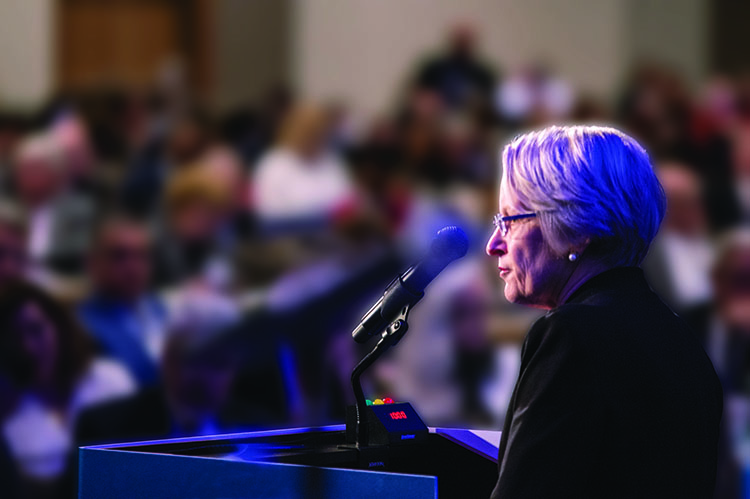
ABA President Judy Perry Martinez characterizes the 19th Amendment as the cornerstone of engagement for all women in our democracy. That’s why she championed “Your Vote, Your Voice, Our Democracy: The 19th Amendment at 100” as this year’s theme for Law Day, which celebrates the rule of law and is commemorated annually May 1.