Should you choose a state that’s already home to tons of attorneys? Or one that costs very little to buy a home? Or maybe in a state that boasts a high concentration of legal jobs?
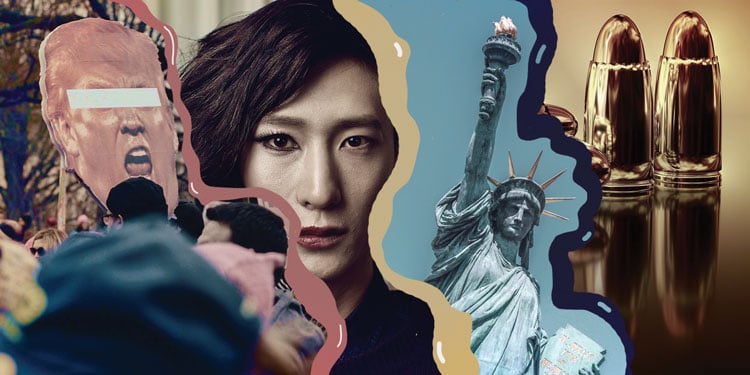
The U.S. Supreme Court will tackle some pretty big issues in its next term, including cases on LGBT rights, immigration and its first major case on gun rights in nearly a decade. And that’s with only about half of its docket filled for the term that begins Oct. 7.

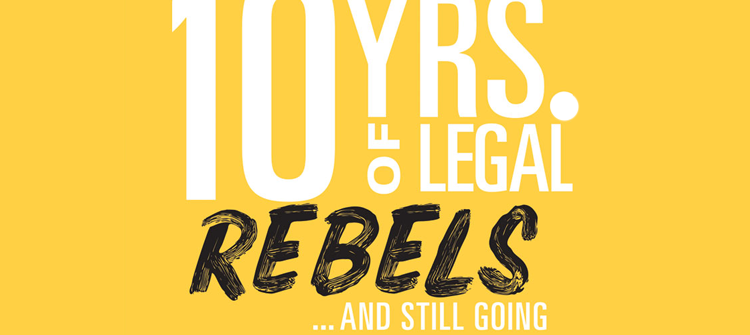
When the ABA Journal named the first class of Legal Rebels 10 years ago, the legal industry was undergoing rapid transformation. Ten years later, it’s clear that many of the same issues that drove the original class of Legal Rebels to look for solutions outside the mainstream are still prevalent.

Technology is a blessing and a curse. For some lawyers, cutting-edge technologies can seem overwhelming. But with just a little research and know-how, you can incorporate modern technology into your law firm to streamline your practice and increase efficiency, writes lawyer Nicole Black.

What had started as a pre-internet computer crime law affecting national security and finance has become a statute that prosecutors, plaintiff attorneys and defense counsels agree isn’t right for its time, and maybe never was. Even with broad agreement on the problem, however, the solution is less clear.
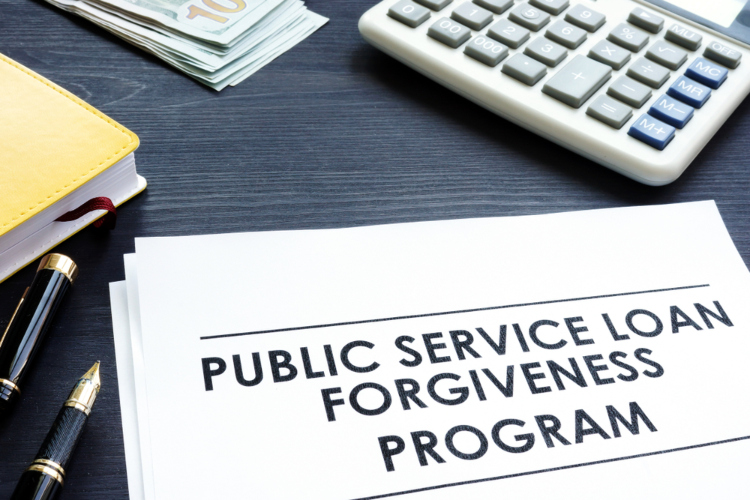
Like many seeking public service student loan forgiveness, Jeffrey Morgan says he got bad information from student loan servicing centers. However, thanks to Twitter and Reddit—and perhaps his experience as a government lawyer dealing with bureaucracy and deciphering regulatory language—he’s now part of the estimated 5% who have had student loans discharged.

ABA President Bob Carlson invoked the spirit of Toni Morrison—the first African American woman to win the Nobel Prize in Literature—at the Margaret Brent Awards luncheon at the ABA Annual Meeting in San Francisco on Sunday. “She was a trailblazer who undoubtedly paved the way for new generations of aspiring writers,” Carlson said. “The women we are honoring today, … by their language have touched the lives of many.”

Waleed Abu al-Khair, a human rights lawyer who was convicted on anti-terrorism charges and sentenced to 15 years in prison—simply for calling for the rule of law in Saudi Arabia—will receive the 2019 ABA International Human Rights Award during the ABA Annual Meeting in San Francisco. “Abu al-Khair epitomizes the ideals of what lawyers around the world are fighting for,” ABA President Bob Carlson says.