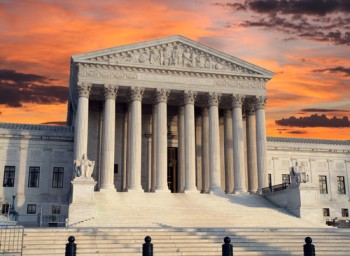
The U.S. Supreme Court has several blockbuster cases in its new term—on gay and transgender rights, federal immigration enforcement and gun regulation. But before it gets to any of those, the court on the first day of the term will take up two criminal law cases raising significant questions, even though only a handful of states are affected by each.
States remain split on whether a prosecutor’s ethical duties for disclosures in a criminal case should extend beyond their constitutional obligations set by the U.S. Supreme Court. Most recently, the Tennessee Supreme Court vacated a formal ethics opinion that determined a prosecutor’s ethical duties were more expansive than those required under the Supreme Court’s decision in Brady v. Maryland in 1963.
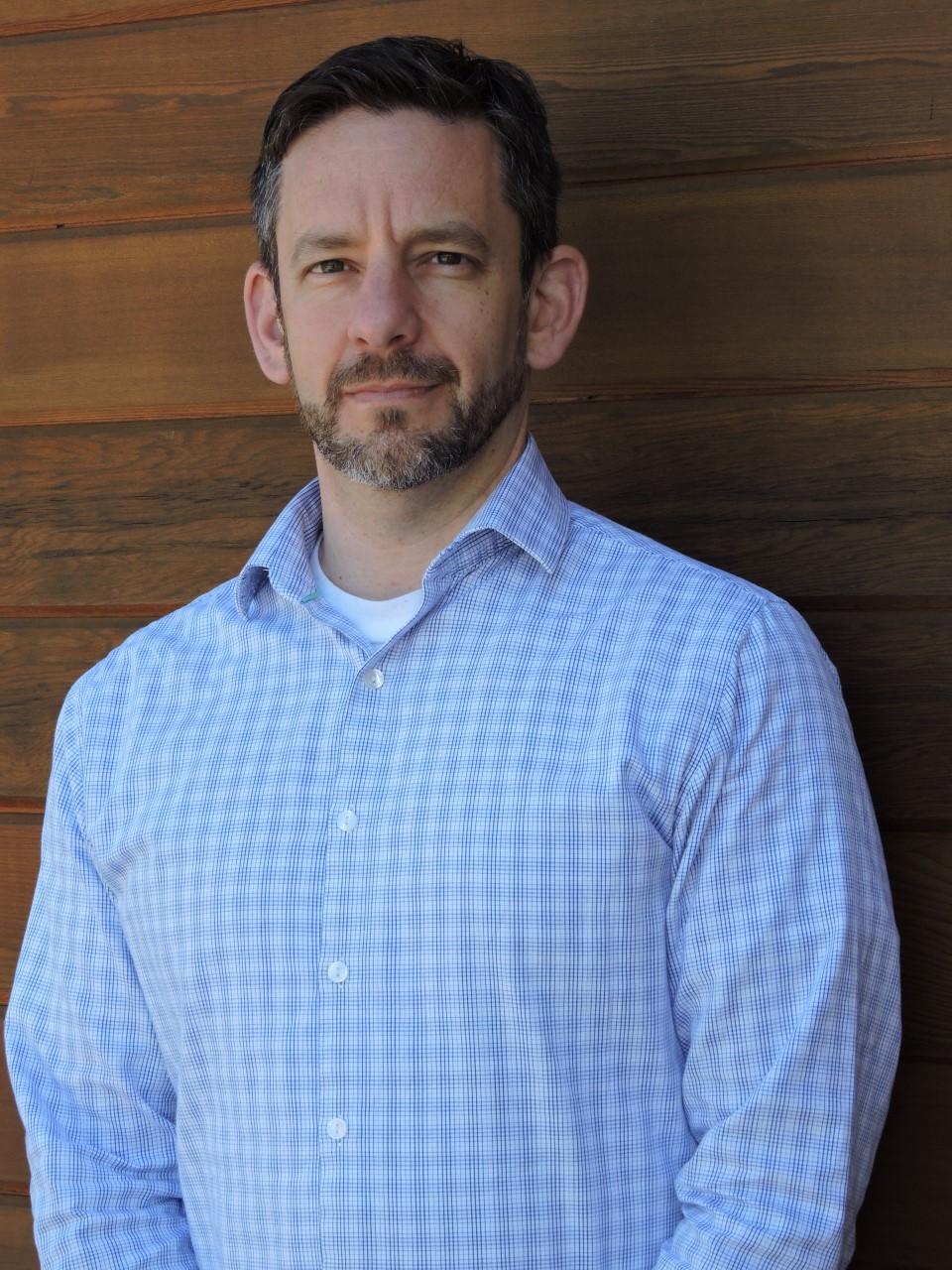
“To me, this represented one of the toughest problems, but absolutely something that was worthwhile to invest a career in, because if we do this right, we are going to open the door for so many other things,” says Casey Trupin, the director of youth homelessness at the Raikes Foundation, a Seattle-based nonprofit organization.



This year, the cities of San Francisco, Somerville, Massachusetts, and Oakland, California, all banned the government’s use of facial recognition technology as a larger legislative package overseeing police surveillance technology. Now, a few other states are looking to, at a minimum, press pause on the police use of this technology.

The country has come a long way, said U.S. Supreme Court Justice Ruth Bader Ginsburg, and that’s what keeps her optimistic for the future. “It can be hard to do anything as a loner, but if you get together with like-minded people, you can be a force for change,” Ginsburg said at a discussion Monday at the University of Chicago.

A judge need not automatically recuse or be disqualified if a lawyer or party in a matter before the judge is a friend. But it is necessary if the judge is in a close personal relationship with the lawyer or party.
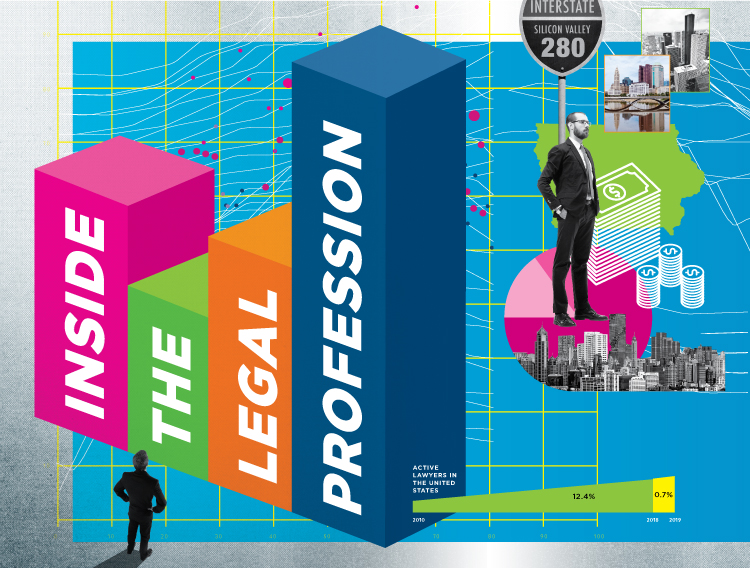
Law remains an in-demand profession that continues to grow and pay well while making slow, but steady progress when it comes to issues like diversity, technology adoption and employment after graduation from law school.
In the decade since the Great Recession, wages for private lawyers have risen, with the average salary now at $144,230. However, digging deeper into a collection of data released in the last year-and-a-half shows the wealth is not being shared equally across gender, region, client type and practice areas.