Lawyers who copy their clients on emails and other forms of electronic communications when messaging a lawyer representing someone in the same matter have given implied consent to receiving a “reply all” response back from the recipient counsel, absent special circumstances, according to a new ethics opinion from the ABA.
Lawyers often have to deal with an incredible amount of material and documents, spanning many rooms and filling countless boxes. What lawyers once did by hand, such as identifying privileged materials that should not be disclosed to the other side, can now be done with the help of sophisticated technology. But mistakes can and do happen.
Ari Kaplan recently spoke with Freddie Hustler, the head of international sales at Litera, a software company that provides document lifecycle, deal management and firm intelligence solutions to the legal profession.
If you’re like most lawyers, one of your top business goals is to grow your law firm. Law firm expansion means a more profitable law practice and the ability to change the world for the better. Of course, it’s often easier said than done. Growing a law practice takes time, and that’s something most lawyers don’t have a lot of.
The metaverse is all the rage these days. Users can enter a virtual world where they can interact with people from all parts of the physical world, play games, engage in commerce and do a lot of other things. Some law firms have also seen the potential.
Speaking Tuesday at the Clio Cloud Conference, former Acting U.S. Solicitor General Neal Katyal gave attendees an intimate glimpse at what it’s like arguing cases in front of the U.S. Supreme Court.
Despite economic turbulence, pandemic-era disruptions and rising inflation, the legal industry has thrived, with increased demand for legal services. But that growth comes with challenges as the profession reckons with the “Great Resignation” and shifts in workplace culture. Those were some of the takeaways from Clio’s seventh annual Legal Trends Report.
Being able to make predictions is crucial for lawyers. Let’s explore the nature of judicial prediction-making by attorneys and see how the latest in artificial intelligence-powered legal technology comes into play in this altogether ubiquitous, yet highly formidable task.
The metaverse and Web3, including virtual reality, augmented reality, mixed reality, cryptocurrencies, non-fungible tokens and more, are evolving to become another Wild West technology frontier where existing laws are hard to apply, legal experts say.
Ari Kaplan recently spoke with Ross Guberman, the founder of Legal Writing Pro, which helps attorneys and judges write more effectively, and the developer of BriefCatch, a legal editing software tool.
Law school graduates are unleashed into the legal marketplace with strong analytical skills but often lack much of the practical knowledge needed to run a successful law firm, which can make or break a fledgling law practice. Thinking like a lawyer will only get you so far in the competitive world of solo and small law firms, and that is why effective marketing is so important, especially if it is not taught in law school.
Chatbots have emerged as a tool with the enormous potential to help bridge the access-to-justice gap. But could they also have an enormous potential for harm?
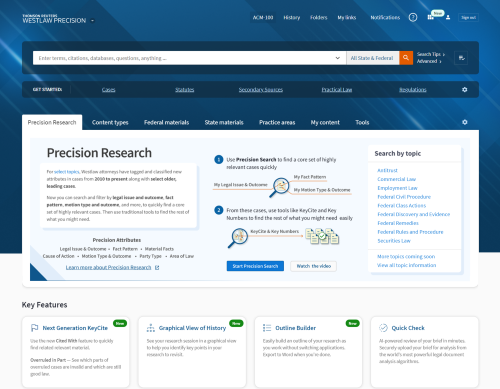
Thomson Reuters has unveiled the latest iteration of Westlaw, its widely used online legal research platform. Westlaw Precision was introduced Wednesday and is the company’s first new version in more than four years.
I’ve been writing this legal technology column for the ABA Journal for over four years. Every month, I cover a different category of legal software. I explain why lawyers should use it, what to know when choosing it and provide an overview of the options available in the legal tech marketplace.