Justice Department threatens antitrust probe of ABA Legal Ed council over accreditation standards


The U.S. Department of Justice has threatened the council for the ABA Section of Legal Education and Admissions to the Bar with an antitrust investigation if it does not change by the end of this month standards limiting how much adjunct professors can be involved in teaching law.
The Wall Street Journal has the story.
An Oct. 7 letter to the council signed by Associate Attorney General Stanley E. Woodward Jr. discusses how oftentimes adjuncts have more practical experience and are paid less than full-time faculty, helping to keep tuition costs down. The current limits “cannot be clearly explained by differences in real or perceived quality in the instruction of full-time or adjunct faculty,” Woodward wrote.
The letter gives the council 15 days to change the standards or explain why the rule doesn’t violate antitrust laws. The next planned council meeting is Nov. 13.
A spokesperson for the council confirmed it received the Justice Department letter and stated, “we will respond.”
Last month, as part of an ongoing review of standards, the council sent proposed changes to Standards 402 and 403, which address full-time faculty size and responsibilities, out for notice and comment.
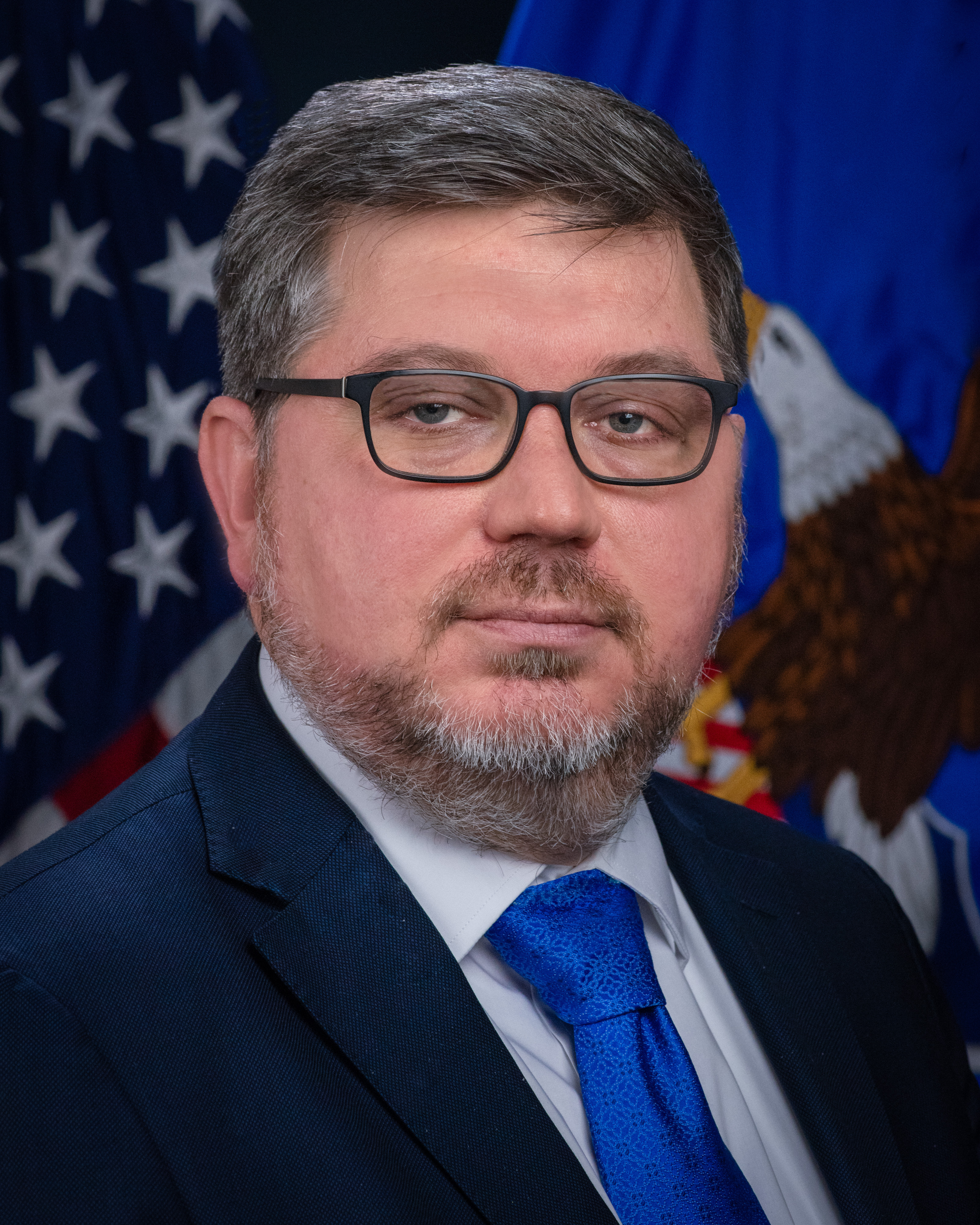 Stanley E. Woodward Jr. (Photo courtesy of the Department of Justice)
Under current standards, full-time faculty “teach substantially all of the first one-third of each student’s coursework.” The proposed change would require full-time faculty to teach more than half of all of credit hours offered or “two-thirds of the student contact hours.”
Other proposed changes include streamlining the wording of the standards to focus on the number of students and the faculty’s ability to meet with students outside of class while still fulfilling professional responsibilities.
Comments closed this week. The council received seven responses, with mixed reactions to the changes and additional revisions suggested.
The council is an independent arm of the ABA, which has been under fire from President Donald Trump’s administration. The council is in the midst of its standard five-year recertification process by the U.S. Department of Education.
In August, the Department issued an 86-page final staff report, which found the council didn’t meet 26 of the committee’s criteria and recommended denying recognition. And last month, the department’s National Advisory Committee on Institutional Quality and Integrity voted not to make a recommendation about the council’s status as the sole national accreditor of law schools, a role it has held since 1952.
A decision regarding the council’s status is expected by year’s end.
The latest moves follow others early in Trump’s second administration. In April 2025, Trump signed an executive order directing Education Secretary Linda McMahon to consider suspending or terminating the council as the government’s official law school accreditor, citing its “unlawful ‘diversity, equity and inclusion’ requirements.”
The scrutiny followed the U.S. Supreme Court’s 2023 decision striking down race-conscious admissions programs at Harvard University and the University of North Carolina, and some states also moved against DEI requirements. The council repealed all diversity and inclusion standards last month.
Law schools need accreditation by a nationally recognized body for their students to receive financial aid, and most states require bar candidates to have graduated from an ABA-accredited school. There are 198 ABA-accredited law schools.
Write a letter to the editor, share a story tip or update, or report an error.