What's it like to be in the jury box? Lawyers share their experiences


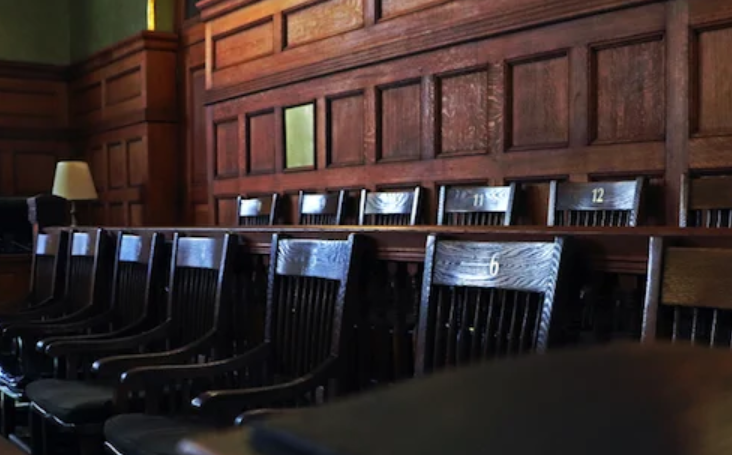
The first time Maricarmen Garza was called to jury duty was in 2010, when she was an attorney with Texas RioGrande Legal Aid.
It was a criminal felony case involving an immigrant woman who worked as a housekeeper and was accused of participating in a drug ring orchestrated by her employer. Garza was shocked when the prosecution didn’t exclude her because of her experience and she made it onto the jury.
“I had always heard that lawyers would never get picked,” says Garza, now the chief counsel of the ABA Commission on Domestic and Sexual Violence.
In the years since that case, in which the immigrant woman was found not guilty, Garza has been summoned for jury service four more times. She served on another jury panel for a case involving a speeding ticket and was dismissed from two cases after they settled. Another time, she made it to the venire, or the panel of prospective jurors, only for it to be busted once so many got disqualified that there were not enough remaining to fill the 12 seats.
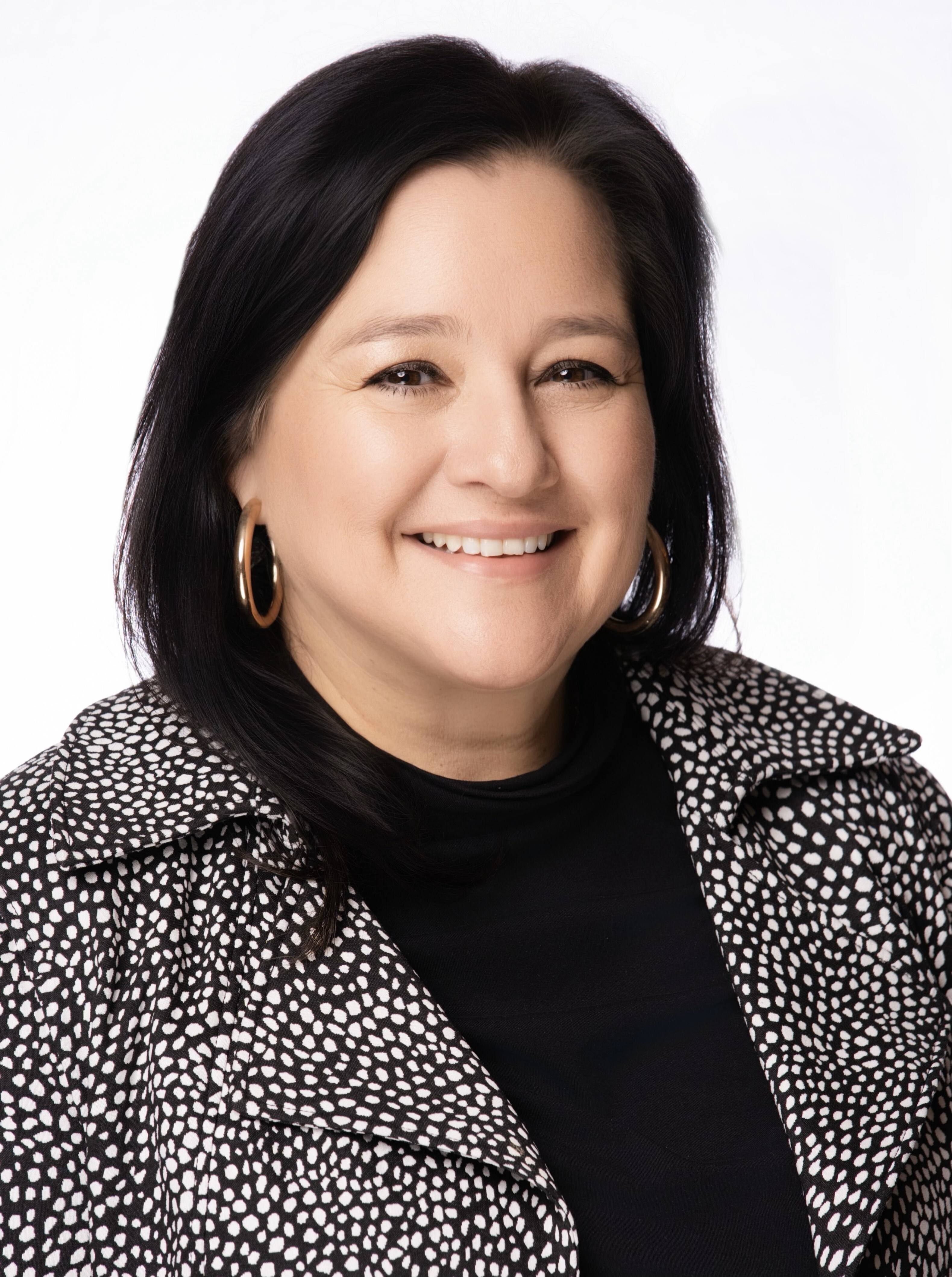 “I had to go back and say, ‘Let’s get the evidence. What does this prove, and do you think that’s met the burden? Would you be OK with this if it was proof that you had committed a crime?’” says Maricarmen Garza, chief counsel of the ABA Commission on Domestic and Sexual Violence. (Photo courtesy of Maricarmen Garza)
Big responsibility
Other lawyers who have served also express surprise at their selection but say the experience changed both their understanding of the jury process and how they approach juries in their own cases.
Patricia Lee Refo was chosen for a jury for the first time in 2021, when she was president of the ABA.
“I made it a point to disclose to the lawyers and the court in my pre-summons questionnaire I had to fill out that I was the sitting president of the American Bar Association,” says Refo, of counsel at Snell & Wilmer in Phoenix. “And I sort of assumed that would be the end of that.”
The case involved an employment-related claim, and once her fellow jurors discovered she was a trial lawyer, they wanted her to be the foreperson, Refo recalls. She declined, noting that paying attention and thinking critically are more important for the job than a background in law. She also worried that as foreperson, she would be in a position to exert more influence over her fellow jurors.
“I understood the instructions in a way that perhaps not everyone fully understood them,” Refo says. “But I tried not to bring my legal training to bear so much as I tried to bring my listening skills to bear.”
In Garza’s first case as a juror, she also was asked to be the foreperson. As part of serving in that role, she used her understanding of the law to remind jurors that the prosecution needed to prove their case beyond a reasonable doubt.
“There was this thought that if the defendant was charged, there was probably something we didn’t know about,” Garza says. “I had to go back and say, ‘Let’s get the evidence. What does this prove, and do you think that’s met the burden? Would you be OK with this if it was proof that you had committed a crime?’”
Terrance McGann, a partner at McGann, Ketterman & Rioux in Chicago, served as a juror in a murder trial in 2022. The case involved a defendant who was caught on video with other gang members at the scene of a shooting, and one question before the jury was whether that defendant had actually shot the victim.
As a lawyer who practices labor and employment, civil rights and employee benefits, McGann says he was profoundly impacted by having to decide whether the defendant had actually pulled the trigger.
“The gravity of a criminal trial in these circumstances really gave us a sense of responsibility that I don’t know I had felt professionally in the civil world,” says McGann, who served as the foreperson.
McGann also found that jury members took their obligation seriously and committed fully to their decision. In the end, they found the defendant guilty of first-degree murder because he aided and abetted the crime, not because he was the direct perpetrator, he says.
“It was a different perspective of the justice system that I hadn’t been exposed to, that I made some assumptions on,” McGann says. “It was a very positive experience for me both as an attorney and as a person, really.”
Lessons learned
Lawyers who have served on juries say they walked away from the experience with a better understanding of what jury members need to hear during a trial.
Garza realized that while judges want to know how the law applies in a case, a jury often just wants to connect with something.
“They are looking at what’s fair and not fair, in the broadest terms,” Garza says. “You don’t know what their life experience is, and you don’t know what their background is, but everyone relates to what’s fair. That’s where you need to go.”
Refo says she learned how to be a better trial lawyer by sitting inside the jury box.
There were concepts the jury didn’t understand because lawyers didn’t explain them as well as they should have, Refo says. And there were other things lawyers brought up that didn’t help anyone reach the verdict in the case.
“It reinforced for me that trial lawyers need to be really clear from the beginning,” Refo says.
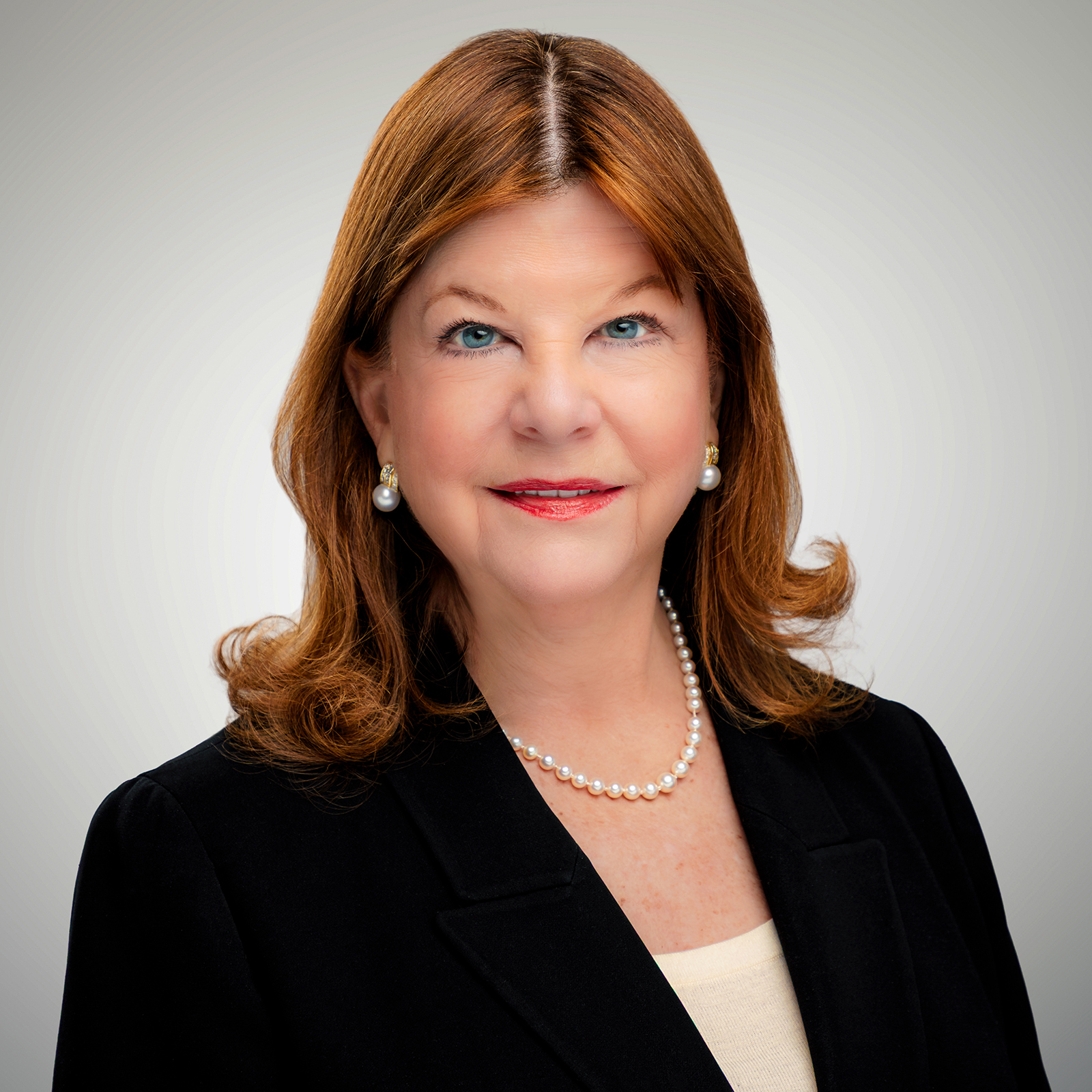 Being a juror “reinforced for me that trial lawyers need to be really clear from the beginning,” says past ABA President Patricia Lee Refo. (Photo courtesy of Snell & Wilmer)
Lawyers who have been jury members may also have a different perspective on whether they’d choose other lawyers for their jury panels.
Like Garza and Refo, McGann never thought he’d make it past voir dire.
“In the old days, on rare occasions would you pick a lawyer to be on your jury,” he says. “You just didn’t know what level of influence they would have, positive or negative.”
But as the profession has evolved, McGann says judges and lawyers may be more confident that their peers will remain impartial.
“When the judge asked me, ‘Can you be objective?’ I answered honestly. I said, ‘Without question, absolutely,’” McGann says. “And maybe there was a sincerity that came through.”
While Refo has never believed lawyers should be completely exempt from jury service, she says a lawyer’s practice and how it might relate to the facts in a case does matter during selection. As an example, she wouldn’t want a plaintiffs personal injury lawyer on her jury in a personal injury case she was defending.
“But a personal injury lawyer on a jury in a commercial context, for example, I don’t think there’s any reason I would want to exclude that person,” Refo says.
Write a letter to the editor, share a story tip or update, or report an error.