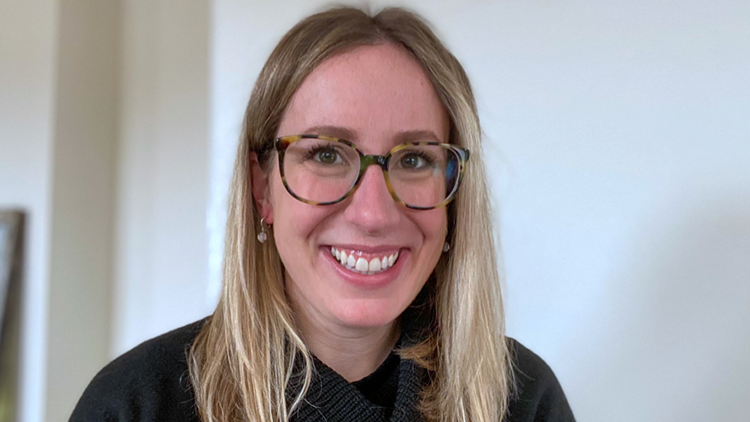
Emily Dillan went to the University of Massachusetts School of Law hoping to help survivors of domestic violence in her community, but through a new opportunity with the ABA, she could soon extend her advocacy across the country.

Throughout the summit’s four days of programming, registrants can attend five CLE programs; four TED-style talks; three workshops on critical diversity equity and inclusion issues; and a fireside discussion Sept. 29 with U.S. Supreme Court Justice Sonia Sotomayor.

The San Diego Superior Court system has utilized remote hearings amid the COVID-19 pandemic to keep court business moving forward. Under a bill the California legislature approved unanimously last week, courts across the country’s most populous state would be permitted to continue hosting remote hearings in civil proceedings.
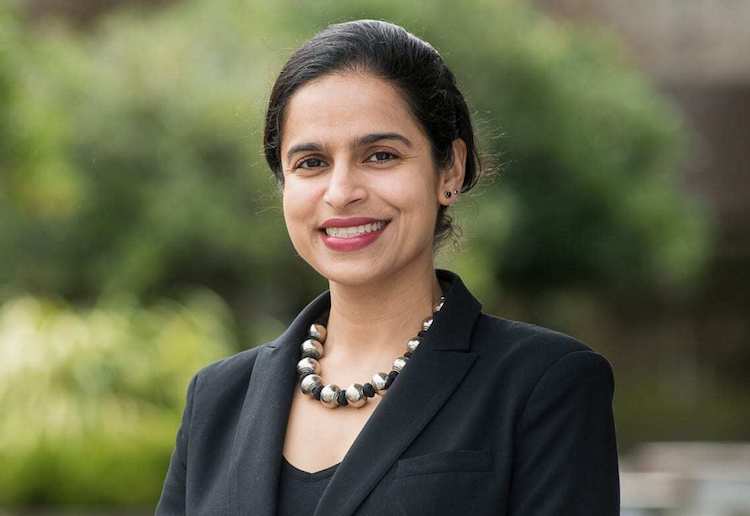

At Rutgers Law School, everyone who teaches law is called a professor, but that is not true at many other institutions, where faculty who teach topics including legal writing, academic success and clinical work are often given titles including “instructor” or “director.” They are usually paid less than tenure-track professors and sometimes have little if any job security.

When the U.S. Supreme Court releases a decision, the parties and their lawyers scan the opinions to determine whether they won or lost. Meanwhile, those who filed amicus curiae, or friend of the court, briefs in the case also want to know the outcome. But first, they are eager to find the answer to a different question: Did one of the justices cite my brief?

As a kid growing up in Brooklyn, Koslov thought she might pursue a career in journalism. That changed after Koslov saw a gunman shoot and wound her father as they walked together near their home in 1983. “My dad was such a good writer and communicator, but he was not a lawyer, so he was dependent on the lawyers to tell his story,” she says. “I thought, ‘I like to speak, and I love to write. Maybe I need to focus my skills in that direction instead.’”

There’s a sense that implementing mandatory vaccine policies could be difficult for employers—particularly when employees are not seeking religious or medical accommodations and instead fall into the “I don’t want to” group.

Obtaining an alternative business structure license would allow LegalZoom to hire attorneys as employees to provide legal advice directly to customers rather than relying on an independent network of lawyers.
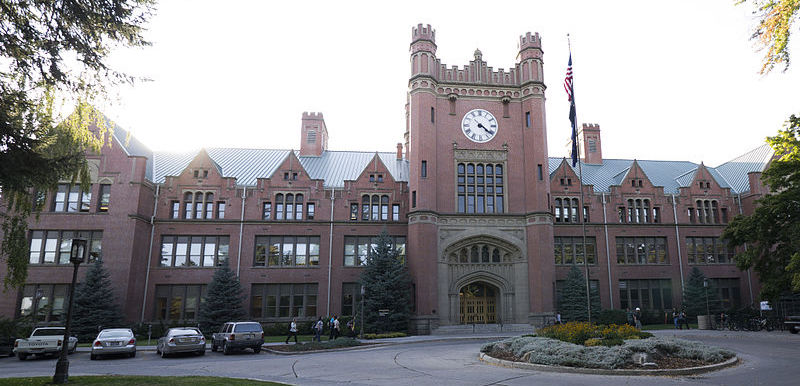
A U.S. district judge last week denied the University of Idaho’s motion for summary judgment on gender and race discrimination claims brought by a Black female law professor who claims she was unfairly denied an associate dean position and a stipend.