LSAC notifies Iranian students that US sanctions prohibit them from taking LSAT


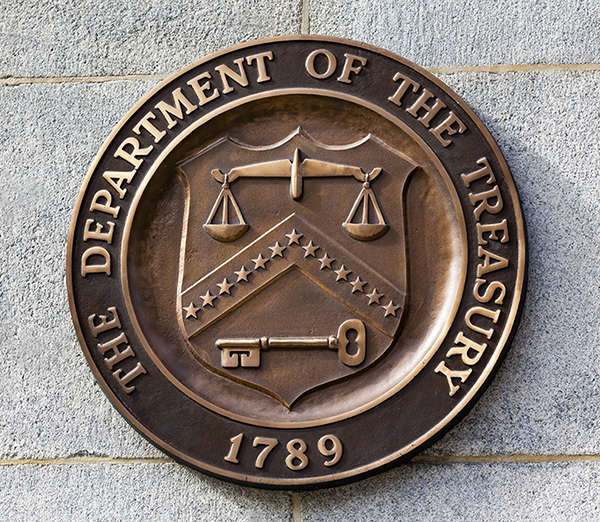
The Law School Admission Council has notified Iranian students that they are prohibited from taking the LSAT after the U.S. Department of the Treasury’s Office of Foreign Assets Control imposed the suspension of several general licenses in its Iran Sanctions program.
The Office of Foreign Assets Control announced the restrictions Aug. 24 in its Iran Sanctions program, which includes “certain educational activities by U.S. persons in third countries authorized” and “certain academic exchanges and the exportation or importation of certain educational services authorized” after a grace period that ended Sept. 8.
The LSAC then emailed potentially impacted candidates, informing them of the restrictions that cover providing products or services to Iranian citizens or residents, which includes “LSAT registrations, CAS subscriptions, application processing and reporting services,” according to the email provided to the ABA Journal.
Those who think that they are exempt, such as dual citizens, were “strongly encouraged” to contact the administrators of the law school admissions test, according to the email.
While the LSAC would not provide the Journal the number of candidates contacted, a notice on its website stated those sanctioned “include persons residing in certain areas and persons designated by the U.S. government as specially designated nationals and blocked persons.”
If a sanctioned person opens an account with the LSAC, registers for a test or buys products or services with the LSAC, payment may be blocked, according to the notice.
“We understand the uncertainty this may cause and are strongly encouraging affected candidates who meet exemption criteria to contact us promptly,” a statement by the LSAC released Thursday said.
That same day, the National Iranian American Council posted a statement against the prohibition, saying the LSAC is going too far and calling for the immediate reversal of the policy change.
“Reports indicate that Iranian American dual nationals have been affected, along with individuals of Iranian heritage in Canada,” according to that Sept. 10 statement.
“This is yet another example of the gratuitous and punitive nature of the new sanctions policy that punishes people who were previously shielded from Iran sanctions in recognition of humanitarian norms,” Jamal Abdi, the president of the National Iranian American Council, said in the statement.
On Thursday, Abdi sent a letter to Sudha Setty, the president and CEO of the LSAC, urging the organization to contact the Office of Foreign Assets Control and reverse the policy, arguing that the move reflects overcompliance.
“In line with your mission to promote access, equity and fairness in law school admission, we urge you to immediately revisit your policies to both ensure full compliance with sanctions obligations and that your policies are not overcomplying with those sanctions and needlessly barring Iranian nationals in the United States, Canada and elsewhere around the globe from utilizing your services,” he wrote.
Law.com also had coverage.
Write a letter to the editor, share a story tip or update, or report an error.