If you’re blogging about your successful representation of a client and linking back to your law firm website, you may be crossing an ethical line. Read about a recent State Bar of California ethics opinion.
Sex with clients is forbidden under the rules of professional conduct in most states. The rules exist to ensure that the lawyer’s independent professional judgment is not clouded or conflicted by the emotions encircling intimate relationships. The rules also exist to protect clients from lawyers, as often there is an unequal balance of power between the people in those roles.
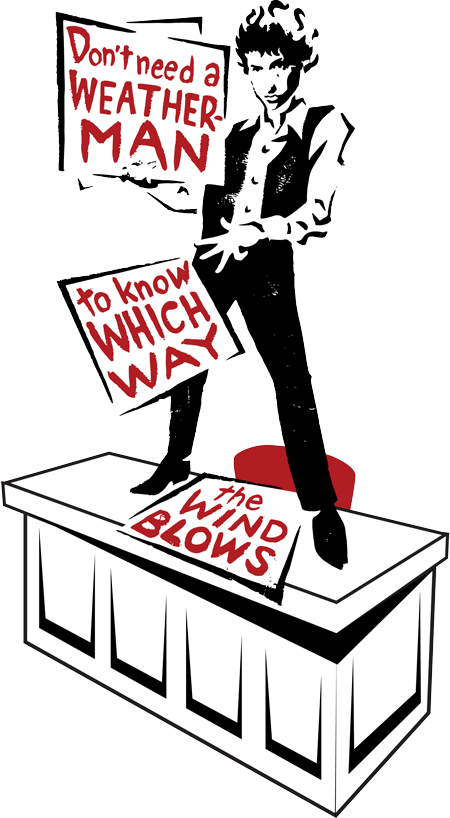
Bob Dylan is, by far, the most-cited songwriter or popular artist in American judicial opinions. And these citations are not merely add-ons or throwaways.
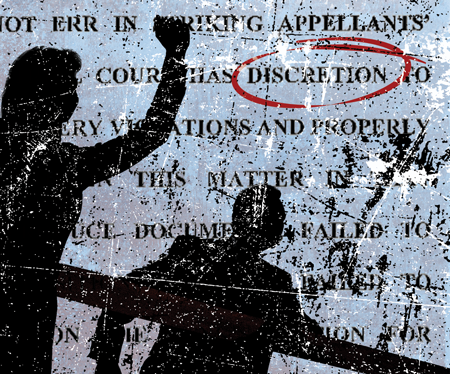
Lawyers who seek to withdraw in civil cases for client nonpayment of funds should take precautions to ensure that they do not violate the duty of confidentiality, according to ABA Formal Opinion 476 (PDF).
An effective opener involves stating the problem to be solved. After all, what is a motion? It’s a request to resolve a specific problem by entering a specific order.
Most of us know the elements of an effective opening statement: Tell a good story, weaving the evidence with themes that will resonate with the jurors’ common sense and life experiences. But what’s the best way to do that? Bang the table or shoot the breeze? Attack immediately or hold your fire? Most important, how can you connect with the jury—a panel of strangers who can’t talk back but who will determine the fate of your case?
What’s the most important part of a motion or brief? The judges I’ve interviewed over the years give various responses to the question, but what I most often hear is this: a precise description of the questions presented in the case or the statement of the issues.
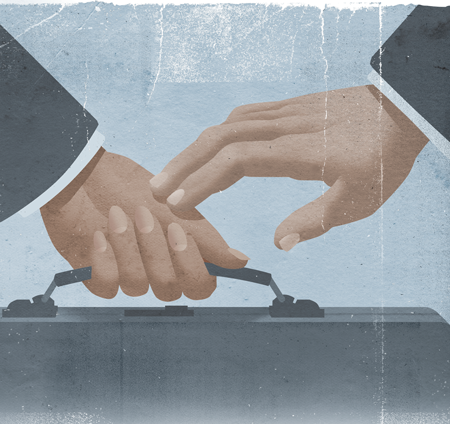
In a recent opinion that addresses a common but potentially problematic issue for lawyers from different firms who work together on the same case, the ABA Standing Committee on Ethics and Professional Responsibility clarified the interplay between two of the association’s Model Rules of Professional Conduct that apply to the division of fees.
One of the most enduring legacies of the ABA Commission on Ethics 20/20 boils down to a nine-word phrase that was added to the ABA Model Rules of Professional Conduct.
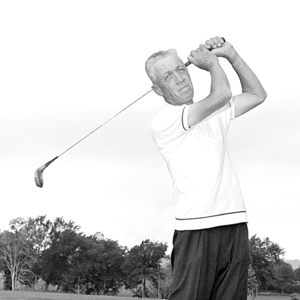
Years ago when I was playing competitive golf in junior tournaments throughout Texas and Oklahoma, my coach was the great Harvey Penick of Austin, Texas. He was the gentlest imaginable coach, always saying, “Why don’t you try this?” or “Why don’t you try that?”
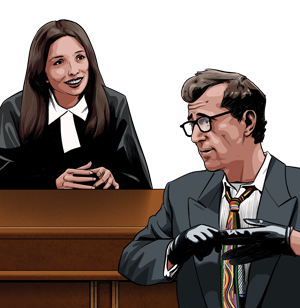
Trial lawyers, like literary artists, know how to pose the right questions. They construct the staging, especially in courtroom scenes, that directs their audience—jurors and judges, and sometimes the public—toward intended readings of dramatic subtext.
A key question is whether a lawyer advising a client on the cultivation, sale or use of marijuana under state law runs afoul of professional conduct rules given that such activities are illegal under federal law.